International visitor numbers surge past pre-pandemic levels, creating windfall opportunities for hospitality entrepreneurs who positioned themselves strategically across the city's emerging neighbourhoods.
Global supply chain disruptions are hitting São Paulo wallets hard. Here's why your coffee, phone, and rent costs are climbing—and what locals need to know.
As international visitor numbers surge past pre-pandemic records, everyday São Paulistas are facing real changes to transport, prices, and neighbourhood character—here's what you need to know.
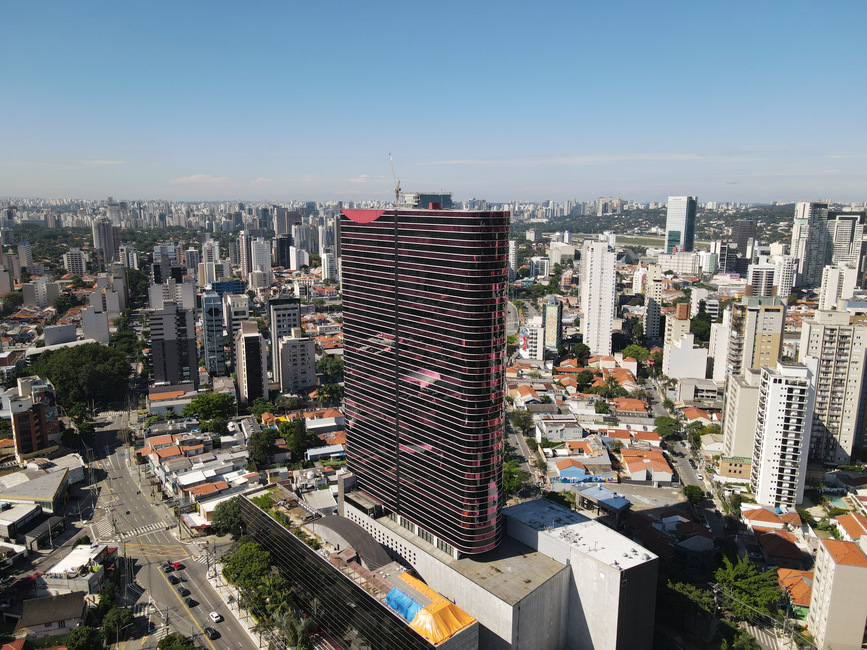
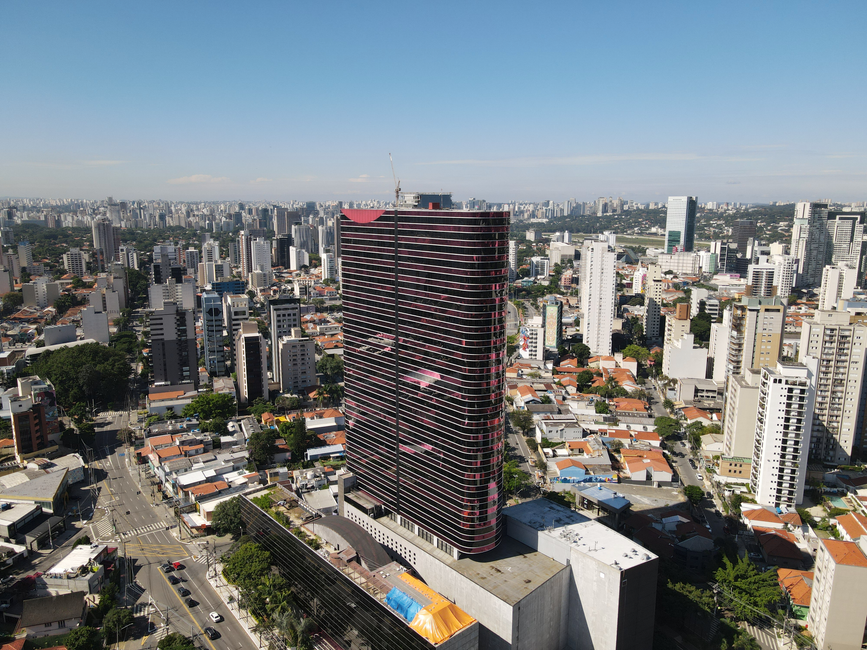
Marina Constructora's bold reimagining of workplace spaces is drawing multinational tenants and setting new benchmarks for sustainability in Brazil's commercial real estate sector.
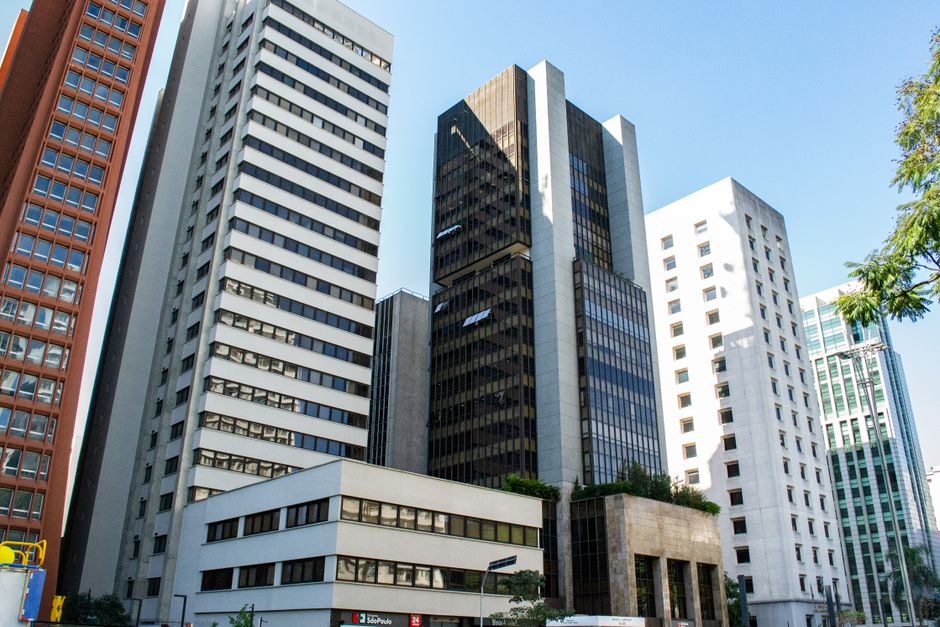
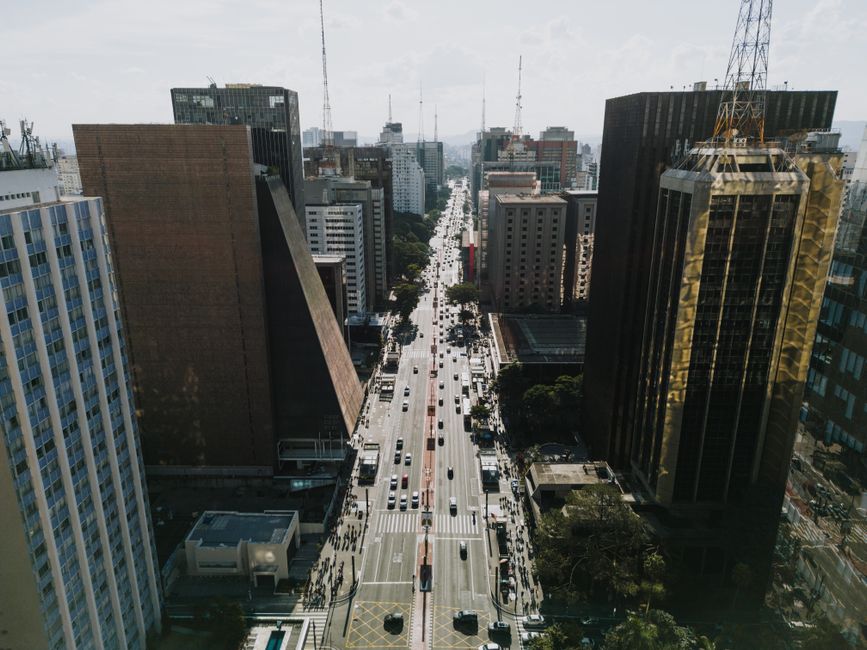
Investment firms along Avenida Paulista face mounting pressure as inflation, exchange rate swings, and skilled worker departures reshape the city's financial landscape.
As hiring patterns reshape across the city's major corporate hubs, employers face a tightening talent pool and rising wage expectations that demand strategic workforce planning.
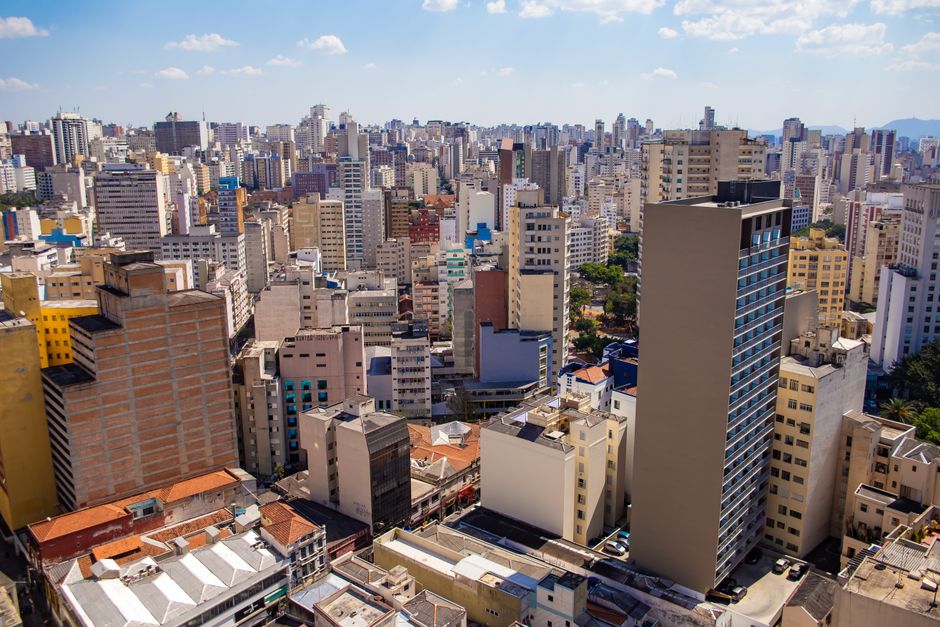
Entrepreneurs in the city's traditional commercial hubs report their toughest year in a decade as inflation, interest rates, and consumer caution squeeze margins.
As major corporations abandon Paulista Avenue for emerging business districts, the region's workforce is being pulled outward, reshaping commute patterns and forcing a reckoning over who can afford to work where.
As multinational companies decouple from China and diversify sourcing, Brazil's financial hub is seeing unprecedented demand for specialized logistics, compliance, and trade finance talent.
A locally-founded investment app is tackling Brazil's stubbornly high cost of living by making portfolio diversification accessible to earners making R$3,000–R$8,000 monthly.
From Pinheiros to Vila Madalena, entrepreneurs are pivoting their strategies as international instability reshapes supply chains, currency fluctuations, and consumer demand in Brazil's business capital.
As tech hubs cluster around Vila Mariana and Pinheiros, the city's employment landscape is shifting dramatically—with salaries, remote work policies, and career paths looking nothing like the traditional corporate model.
Restaurants and hotels across the city's prime districts grapple with inflation, currency headwinds, and shifting customer behaviour as margins compress.
As hiring patterns change across the city's financial hub, companies must adapt recruitment strategies to remain competitive in 2026's tightening labour market.
In a city where restaurant turnover rates hover near 40%, one entrepreneur's bet on hyper-local ingredients and neighbourhood storytelling is redefining the capital's hospitality landscape.
As commercial landlords scramble to meet Brazil's new energy efficiency standards, small businesses in the construction and green-tech sector are capturing lucrative contracts across Pinheiros and Vila Mariana.