São Paulo's Hospitality Sector Faces Perfect Storm of Rising Costs, Weak Consumer Demand
Restaurants and hotels across the city's prime districts grapple with inflation, currency headwinds, and shifting customer behaviour as margins compress.
Restaurants and hotels across the city's prime districts grapple with inflation, currency headwinds, and shifting customer behaviour as margins compress.
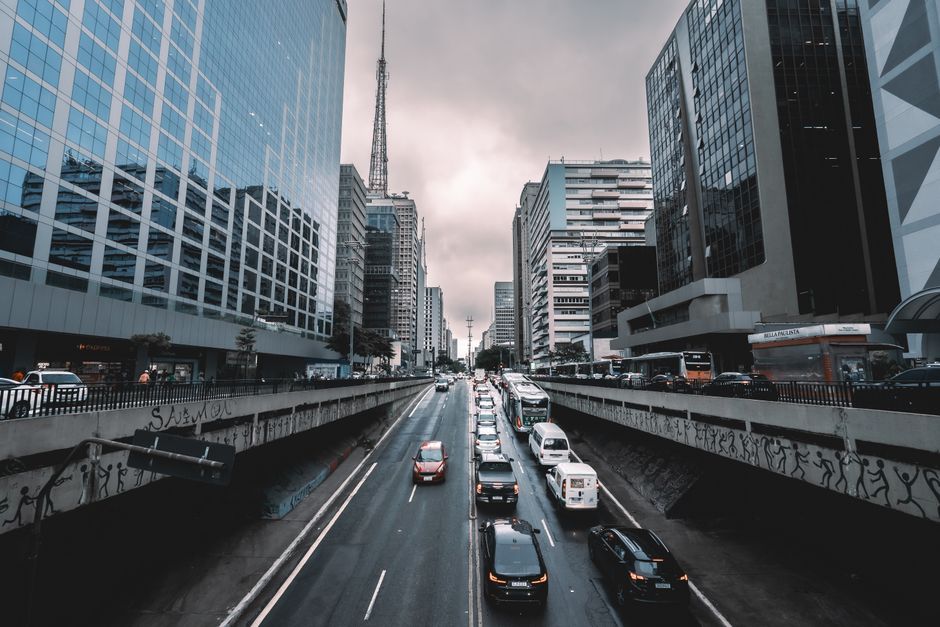
The familiar bustle of Vila Madalena's restaurant strips and the upscale dining scene along Rua Iguatemi tell a different story this mid-year than proprietors hoped for. Across São Paulo's retail, hospitality and food sectors, operators are confronting a convergence of pressures that have fundamentally altered the business landscape in 2026.
Rising operational costs remain the most visible challenge. Labour costs have climbed steadily, with skilled kitchen and front-of-house staff commanding 15-20% higher salaries than twelve months ago, according to preliminary data from the Associação Brasileira de Bares e Restaurantes. Simultaneously, imported food ingredients—crucial for establishments seeking to maintain quality standards—have become significantly more expensive due to currency fluctuations. A restaurateur in Pinheiros noted that specialty imports from Europe and the US now carry premiums that cannot always be passed to customers without risking footfall.
Consumer behaviour has shifted noticeably. Middle-class diners are trading down from fine dining to casual establishments, while occasional diners have reduced frequency. Foot traffic in traditional hotspots like Praça Roosevelt and along Avenida Paulista has shown softer numbers compared to the same period last year. Hotels occupancy rates in the Centro and Bela Vista neighbourhoods remain below pre-pandemic benchmarks, constraining room revenue despite rising nightly rates.
The retail component of the sector faces parallel difficulties. Small convenience stores and independent food retailers struggle against the pricing power of consolidated supermarket chains. Delivery-dependent models, which surged during lockdowns, now face commission pressures from platforms—some operators report platform fees consuming 25-30% of order value, leaving minimal margins on lower-ticket items.
Energy costs present another headwind. Commercial electricity rates have risen approximately 12% year-on-year, a particular burden for establishments with significant refrigeration and climate control requirements. Water tariffs have similarly increased, adding to overhead burdens across kitchens and food preparation spaces.
Credit availability has tightened as well. Small and medium-sized operators seeking to fund renovations or inventory expansion face higher interest rates, making expansion plans less attractive. Several established venues in Jardins have postponed remodelling projects indefinitely.
Yet adaptation is underway. Some venues are experimenting with simplified menus to reduce waste and ingredient complexity, while others emphasise locally-sourced products to mitigate currency impacts. Technology investments in payment systems and reservation management continue, even as capital becomes more expensive.
Industry associations project the second half of 2026 will prove less challenging than the first, contingent on currency stabilisation and moderating inflation. Until then, São Paulo's hospitality sector remains in a holding pattern—operationally nimble, but financially constrained.
This article was compiled by AI from the sources linked above and screened before publishing. See our editorial standards.
How does this story make you feel?
Spread the word
About this article
Published by The Daily São Paulo
Daily brief
Free, in your inbox before 7am. Weekdays.
More in Business