Geopolitical Tensions Reshape São Paulo's Food and Hospitality Supply Chains
As Middle East instability and Venezuelan migration surge, restaurateurs in Vila Mariana and Pinheiros face unprecedented sourcing challenges and labor market shifts.
As Middle East instability and Venezuelan migration surge, restaurateurs in Vila Mariana and Pinheiros face unprecedented sourcing challenges and labor market shifts.
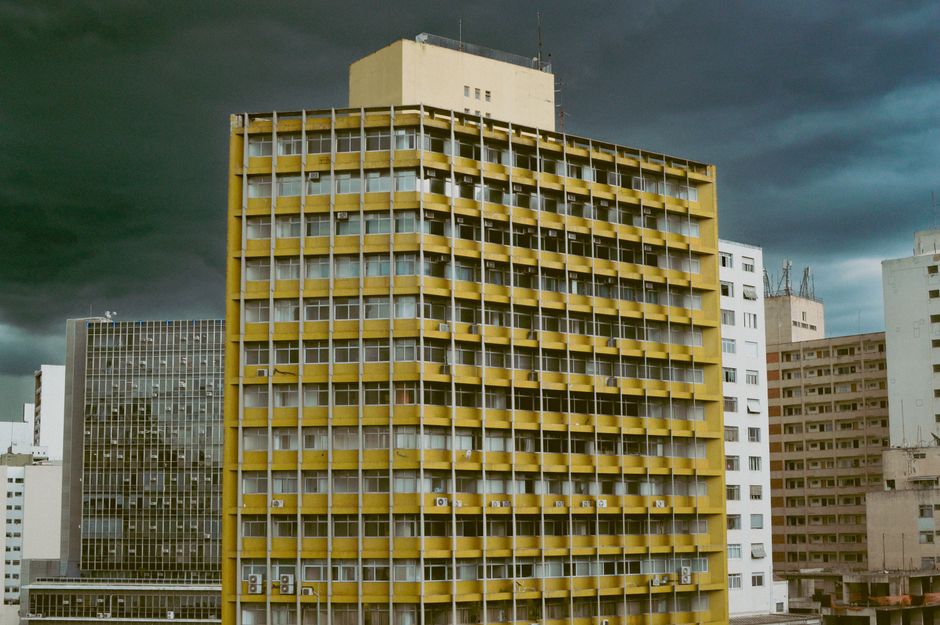
The tremors shaking global markets are hitting São Paulo's restaurant and hospitality sector harder than most realize. Across neighborhoods from Jardins to Bom Retiro, business owners are grappling with the fallout of events thousands of kilometers away—from Iranian tensions threatening shipping lanes to Venezuelan economic collapse redirecting labor patterns.
The most immediate pressure comes from logistics. Premium ingredient suppliers serving São Paulo's high-end dining scene—concentrated along Rua Haddock Lobo and Avenida Paulista—report shipping delays of 15-20 percent compared to last year. Mediterranean imports, particularly Spanish olive oils and Italian cheeses essential to contemporary São Paulo cuisine, face routing complications due to Middle Eastern instability affecting canal passage and insurance premiums.
"Costs on European imports have risen 8-12 percent since March," explains sourcing managers at major restaurant groups operating across the city's 1,200-plus establishments. For fine dining venues in Vila Mariana charging R$250-400 per person, thin margins mean these increases transfer directly to menus or profits.
Yet the crisis also presents unexpected opportunities. The Venezuelan migration influx—with over 400,000 Venezuelans now in São Paulo state—has reshaped labor availability in ways that benefit mid-range hospitality. Unlike the tight labor market of 2023-24, restaurants in neighborhoods like Brás and Bom Retiro report easier recruitment for kitchen and service roles, with slightly lower wage pressures than in 2025.
However, this demographic shift carries commercial implications. Venezuelan-owned food establishments—from arepera counters to casual restaurants—have proliferated along Rua 25 de Março and the Bom Retiro corridor, fragmenting market share for traditional Brazilian casual dining. Some established churrascarias report 6-8 percent traffic declines in peripheral zones where Venezuelan community presence is strongest.
Tourism recovery also fluctuates with global stability. The luxury hotel sector around Avenida Nações Unidas reports international guest volumes 4-6 percent below 2024 projections, with business travelers deferring trips amid economic uncertainty. Mid-range hospitality near the Metro has proven more resilient, suggesting market bifurcation.
Industry associations monitoring these trends note that São Paulo's retail-hospitality ecosystem—employing roughly 180,000 people—increasingly depends on factors beyond local control. Currency volatility, freight route security, and migration patterns now rival traditional concerns like rent and licensing.
For savvy operators, adaptation is underway: menu localization reducing import dependence, workforce investment capturing migrant entrepreneurship, and supply chain diversification away from single-source suppliers. The question is whether this proves temporary adjustment or permanent restructuring.
This article was compiled by AI from the sources linked above and screened before publishing. See our editorial standards.
How does this story make you feel?
Spread the word
About this article
Published by The Daily São Paulo
Daily brief
Free, in your inbox before 7am. Weekdays.
More in Business


