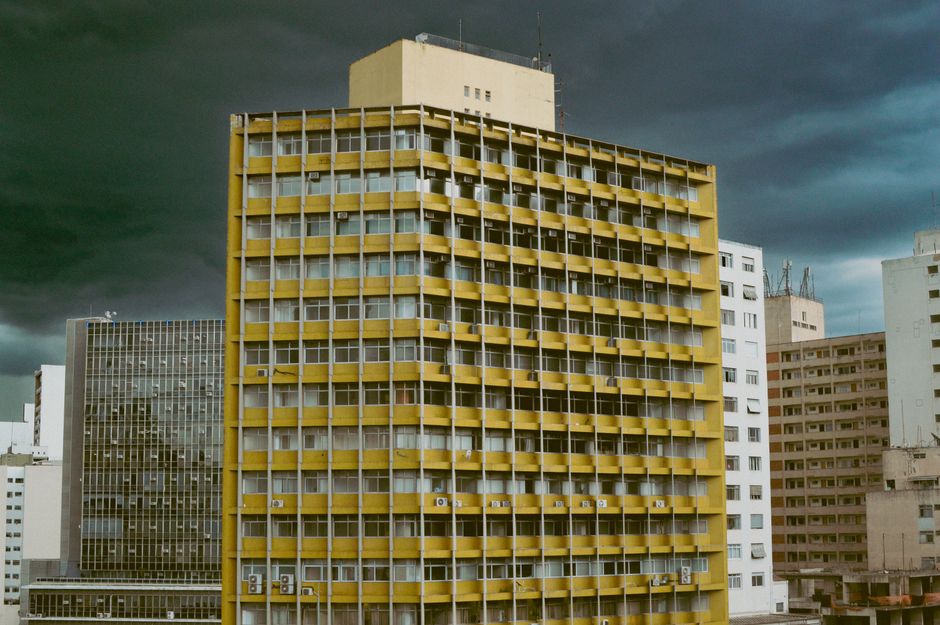
São Paulo's commercial real estate market is sending mixed but ultimately bullish signals as we head toward mid-year 2026. Understanding the economic indicators driving investment flows reveals a city in transition—one where institutional capital is carefully repositioning itself amid Brazil's broader macroeconomic environment.
The vacancy rate in prime office districts remains a critical barometer. In the traditional business hub of Avenida Paulista, available space hovers around 12–14%, down from 16% two years ago, signalling renewed demand. Conversely, neighborhoods like Vila Mariana and the emerging tech corridor near Rua Augusta are experiencing tighter conditions, with vacancy below 8%, attracting venture-backed companies and multinational tech firms. This geographic dispersion reflects where capital is actually flowing: away from pure prestige addresses and toward mixed-use districts offering flexibility and cultural amenities.
Rental values tell a clearer story. Prime Paulista properties command R$280–320 per square meter annually; secondary markets in Pinheiros and Vila Madalena fetch R$180–220. The spread matters because it shows investors differentiating risk. Institutional players—pension funds and real estate investment trusts—are increasingly favoring Class B properties with mid-tier pricing, where cap rates hover around 5.5–6.2%, compared to Class A's tighter 4.8–5.1%. In an environment where long-term interest rates remain elevated, that extra yield justifies capital deployment.
Cross-border investment patterns have shifted noticeably. American and European funds, prominent during 2023–2024, represent a smaller slice of new capital. Brazilian financial institutions and family offices now dominate, accounting for roughly 60% of significant transactions. This suggests confidence in domestic returns and a recalibration away from dollar-denominated plays. Recent conversions of older office space into residential units—particularly near Consolação and in the Baixo Augusta zone—indicate portfolio managers betting on mixed-use development as a hedge against traditional office softness.
The economic data undergirding these moves includes steady corporate hiring in financial services and tech—despite macroeconomic caution elsewhere—plus inflation expectations that favor real assets over bonds. Interestingly, demand for smaller footprints (under 500 square meters) is outpacing large-floor take-up, reflecting cost discipline among tenants.
For investors monitoring São Paulo's commercial sector, the takeaway is straightforward: capital isn't fleeing but recalibrating. Yields are adequate, geographic diversification within the city is rewarding, and institutional money remains convinced of long-term value. The market isn't booming, but it's functioning as a rational allocator of resources.
This article was compiled by AI from the sources linked above and screened before publishing. See our editorial standards.