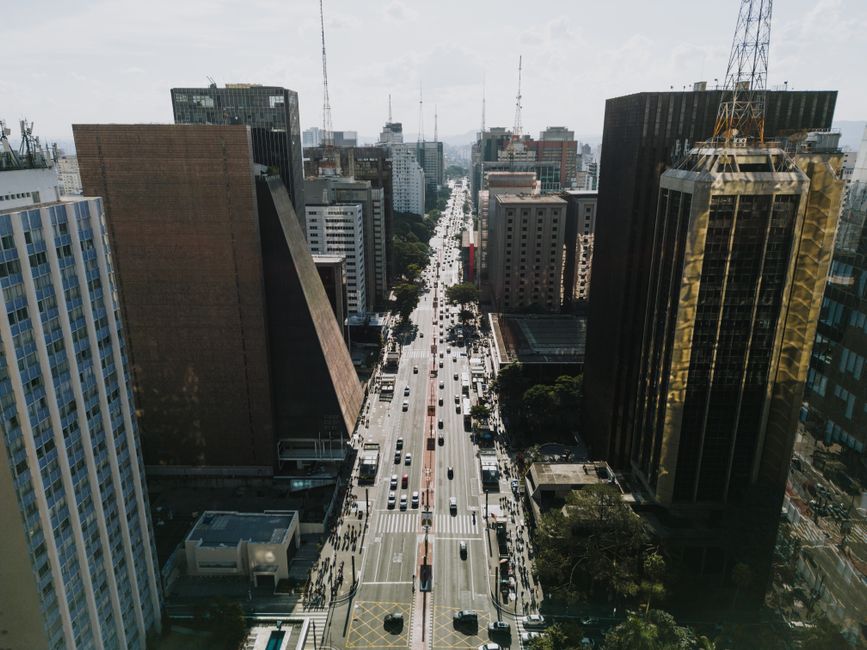
In the heart of Vila Madalena, where colourful street art covers every corner and independent galleries outnumber chain stores, Marina Correia is quietly revolutionising how tourists experience São Paulo. What began in 2018 as a single six-room guesthouse tucked into a converted colonial townhouse on Rua Aspicuelta has blossomed into a portfolio of four neighbourhood-focused boutique properties, collectively hosting over 12,000 international visitors annually.
Correia's approach defies the homogenised hotel chain model that dominates Avenida Paulista. Instead, each property—strategically located in Vila Madalena, Pinheiros, Liberdade, and Bom Retiro—functions as a cultural anchor, employing local staff, sourcing breakfast from neighbourhood cafés, and partnering with nearby museums and artisans. "Tourism shouldn't extract value from neighbourhoods; it should reinvest in them," Correia explained during a recent tour of her latest venture, a converted printing factory near Rua 25 de Março.
The numbers validate her thesis. According to São Paulo Convention Bureau data, boutique accommodation properties have grown 34 percent since 2022, capturing an increasingly sophisticated demographic of international arrivals. Correia's network operates at 73 percent average occupancy year-round—well above the city's 62 percent average—with nightly rates ranging from R$280 to R$520 depending on location and season.
What sets Correia apart is her integration strategy. Her properties operate on-site restaurants and cultural programming—everything from samba workshops in Bom Retiro to gallery openings in Vila Madalena—that generate ancillary revenue while deepening visitor engagement. Last year, her properties generated approximately R$4.2 million in direct revenue, with an estimated 30 percent multiplier effect across partnered local businesses.
The model has attracted attention from international hospitality investors, yet Correia has resisted external capital, maintaining operational independence. "I've been approached by larger groups wanting to replicate this across Brazil," she noted. "But scaling requires something that can't be franchised: genuine community relationships."
As São Paulo competes globally for high-value tourism spending—the city attracted 1.9 million international visitors in 2024—entrepreneurs like Correia represent a counterweight to mass tourism pressures. Her success suggests that profitability and cultural sustainability aren't opposing forces. For a city long defined by its commercial intensity, that's a welcome reminder that thoughtful hospitality can transform neighbourhoods rather than simply monetise them.
This article was compiled by AI from the sources linked above and screened before publishing. See our editorial standards.