São Paulo's commercial property market is sending mixed but ultimately bullish signals to investors tracking Brazil's economic health. The story isn't simply about rising rents—it's about where money is flowing, why, and what that tells us about corporate confidence in the months ahead.
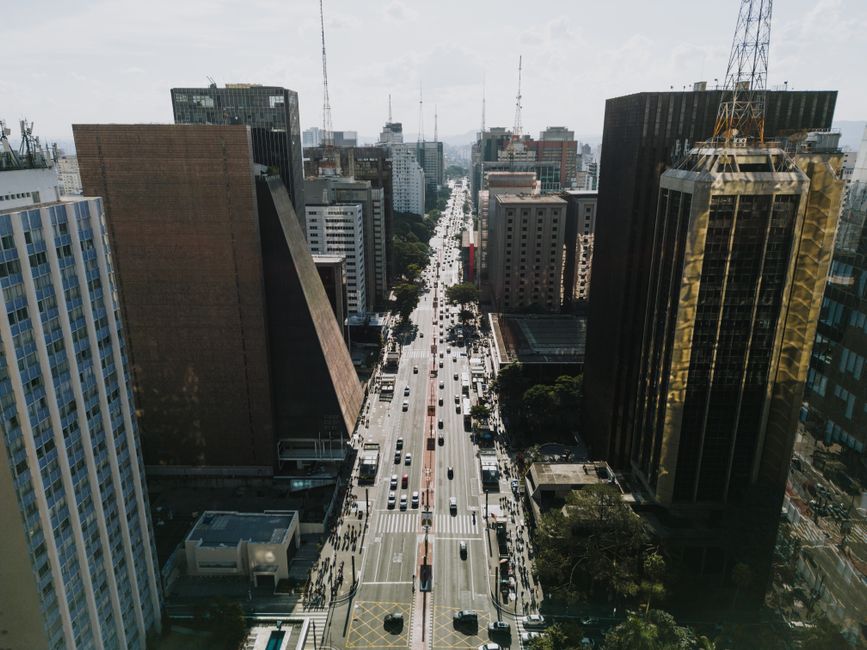
Premium office districts are experiencing measurable divergence. In Pinheiros, where tech and creative services cluster near Avenida Brigadeiro Faria Lima, vacancy rates have compressed to roughly 8 percent, compared to 14 percent citywide. Average asking rents there sit around R$180 per square metre monthly—a 12-percent year-over-year increase. By contrast, traditional financial district properties along Avenida Paulista face softer demand, with vacancy hovering near 15 percent and rents relatively flat.
This geographic split mirrors genuine economic restructuring. Multinational firms expanding shared services centres increasingly favour Pinheiros's mixed-use environment over Paulista's aging Class A towers. A major international consulting firm leased 8,000 square metres in Vila Mariana in the past quarter alone—a neighbourhood that barely registered on institutional investors' radar five years ago. Such decisions reflect confidence in specific sectors, not blanket optimism.
Investment capital flows tell the deeper story. Brazilian pension funds and insurance companies, which control roughly 35 percent of institutional commercial real estate holdings, have modestly increased allocations to São Paulo office properties in 2026—their first meaningful uptick since 2023. REIT volumes are modest but directional: approximately R$2.2 billion in commercial property transactions year-to-date, placing 2026 on track for its strongest year since 2019.
However, caution persists. Foreign institutional money, which historically drives major repositioning plays, remains selective. European and North American funds are watching Brazilian interest rates closely. With the Selic hovering near 10 percent, dollar-based returns from direct real estate investment become less compelling without significant local currency appreciation.
What this means operationally: companies seeking space should expect negotiation room in secondary locations and aging Paulista buildings, but face tight competition in Pinheiros and emerging submarkets like Perdizes. Landlords investing in lobby renovations and ESG certifications are seeing faster leasing cycles—a signal that tenants view these improvements as genuine productivity drivers, not mere cosmetics.
The commercial market isn't booming universally. It's quietly reshaping itself based on which economic sectors and geographic clusters retain investor conviction. For anyone tracking Brazil's resilience, that selective optimism may ultimately prove more reliable than headline growth figures.
This article was compiled by AI from the sources linked above and screened before publishing. See our editorial standards.