São Paulo's Tourism Recovery Signals Robust Economic Growth—Here's What the Numbers Show
Hotel occupancy rates and international visitor spending reveal how travel investment is reshaping the city's economic outlook.
Hotel occupancy rates and international visitor spending reveal how travel investment is reshaping the city's economic outlook.
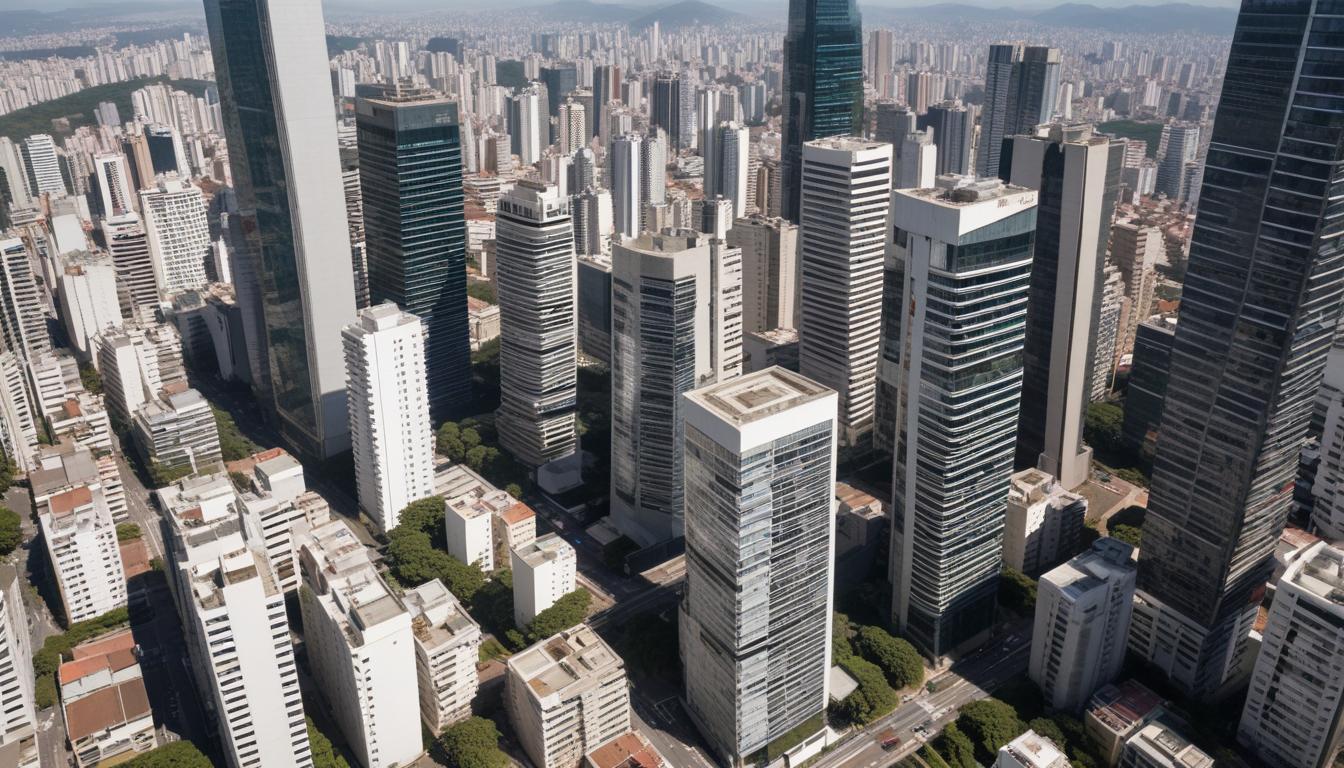
São Paulo's tourism sector is sending unmistakable signals of economic resilience. With hotel occupancy rates in Centro and Vila Mariana hovering near 75% this quarter—up from 62% two years ago—the city is attracting both leisure and business travellers at levels that matter for municipal revenue and employment. The throughput tells a story about confidence in Brazil's economic trajectory that goes beyond postcard metrics.
Consider the hard numbers. The Brazilian Tourism Board reports that international visitor spending in São Paulo reached $2.8 billion in the first half of 2026, representing a 18% year-over-year increase. That money doesn't vanish; it circulates. Hotels along Avenida Paulista are operating at premium rates, with four-star establishments charging 12–15% more per room than they did in 2024. Mid-range properties in Pinheiros and Vila Madalena—traditionally budget-conscious neighbourhoods—are seeing demand surge, pushing average daily rates from R$280 to R$340.
What drives these patterns? Investment flows. Major hospitality groups have committed $340 million to São Paulo property development over the next three years, according to real estate advisory firm Jones Lang LaSalle. New boutique hotels in Brás and refurbished colonial properties near Mosteiro de São Bento signal confidence in neighbourhood diversification beyond the traditional Paulista corridor. These aren't speculative bets; they're calculated responses to sustained demand metrics.
But tourism doesn't operate in isolation. Restaurant and retail sectors along Rua Oscar Freire and in the Jardins district are expanding, with commercial real estate vacancy rates dropping to 8.2%—a five-year low. This matters for employment. The city's hospitality and service sectors have added roughly 14,000 jobs since early 2025, according to IBGE labour data. That's measurable pressure relief in a competitive job market.
The mechanics are worth understanding. When visitor spending rises, it triggers a multiplier effect: hotels buy local food supplies, employ staff, and pay property taxes. Airlines increase flight frequency, which lowers fares and attracts more business travellers. This feedback loop sustains municipal services and incentivises further infrastructure investment. CPTM and Metro expansions, partly justified by visitor volume projections, become economically defensible.
Foreign direct investment in São Paulo's tourism infrastructure also reflects broader confidence. Venture capital and private equity firms have deployed capital into food-tech startups and experience platforms targeting tourist markets. That's institutional money reading the same economic signals.
The challenge ahead isn't demand—it's capacity and quality consistency. Airport infrastructure, though improved, remains a bottleneck. But the direction is clear: São Paulo's visitor economy is functioning as a genuine growth engine, not merely a seasonal supplement.
This article was compiled by AI from the sources linked above and screened before publishing. See our editorial standards.
How does this story make you feel?
Spread the word
About this article
Published by The Daily São Paulo
Daily brief
Free, in your inbox before 7am. Weekdays.
More in Business


