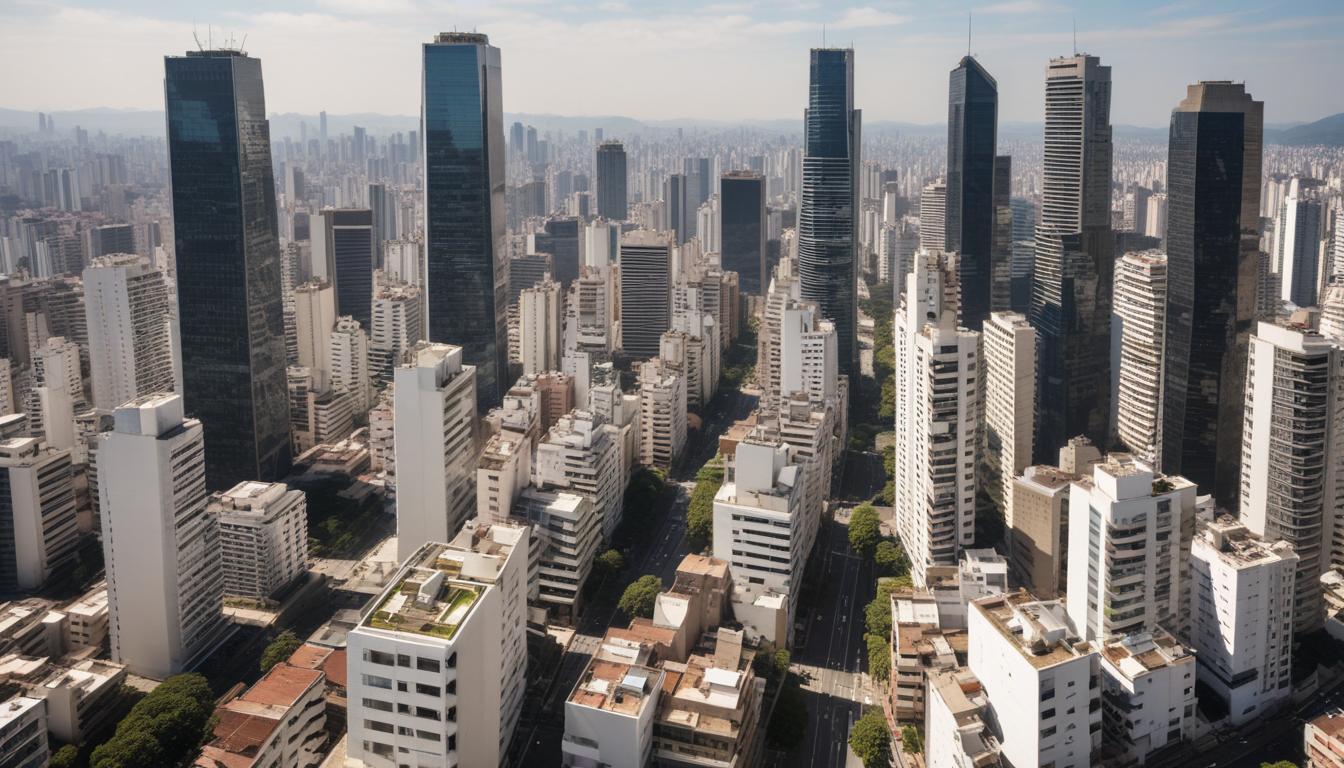
Walk along Rua Bandeira or through the corridors of the growing startup clusters around Avenida Paulista, and you'll sense the transformation reshaping São Paulo's job market. Over the past three years, the city's innovation districts have matured from niche tech enclaves into genuine economic engines, fundamentally altering how talent flows, settles, and builds careers in Brazil's largest metropolis.
The numbers tell a striking story. According to recent data from the São Paulo Startup Association, the city now hosts over 2,300 registered startups—up from roughly 1,100 in 2020. This explosive growth has created an estimated 18,000 new direct jobs in tech-adjacent roles, from software engineers to product managers to venture capital analysts. More significantly, it's hollowed out certain traditional corporate sectors. Major financial institutions in the Av. Paulista corridor report increased poaching by younger startup firms, with mid-level talent commanding salaries 15-25% higher than comparable corporate roles.
Vila Mariana and Pinheiros have become ground zero for this shift. The proliferation of co-working spaces like those around Rua Haddock Lobo, combined with accelerators including Plug and Play and local Google Startups programs, has created a magnetic pull for recent university graduates. The median salary for a junior developer in these neighborhoods now hovers around R$6,500-R$8,500 monthly—a premium compared to suburban tech hubs—yet applicants continue queuing.
But the reshaping cuts deeper than salaries. Companies anchored in traditional business districts increasingly struggle to compete for talent, not merely on compensation but on culture and perceived innovation. Smaller firms across the city report difficulty attracting mid-career professionals who see startup equity and growth potential as more valuable than stability. University placement offices at USP, FGV, and PUC-SP report that tech recruiting intensifies annually, with startup representatives now outnumbering traditional corporates at career fairs.
The trend extends to real estate and infrastructure. Commercial rents in startup-dense zones like the Sumaré and Vila Madalena corridors have climbed 30-40% since 2022, pricing out some businesses while attracting new service providers—design studios, legal firms specializing in startup law, marketing agencies—that cater to this ecosystem.
Yet challenges loom. Rapid wage inflation for tech talent risks pricing out non-tech sectors competing for skilled workers. Regulatory uncertainty around remote work and visa policies for foreign talent could cool momentum. Still, for São Paulo's economy, the innovation district boom represents a genuine pivot: from a city dependent on finance and manufacturing toward one increasingly defined by entrepreneurship, risk-taking, and the human capital willing to fuel it.
This article was compiled by AI from the sources linked above and screened before publishing. See our editorial standards.