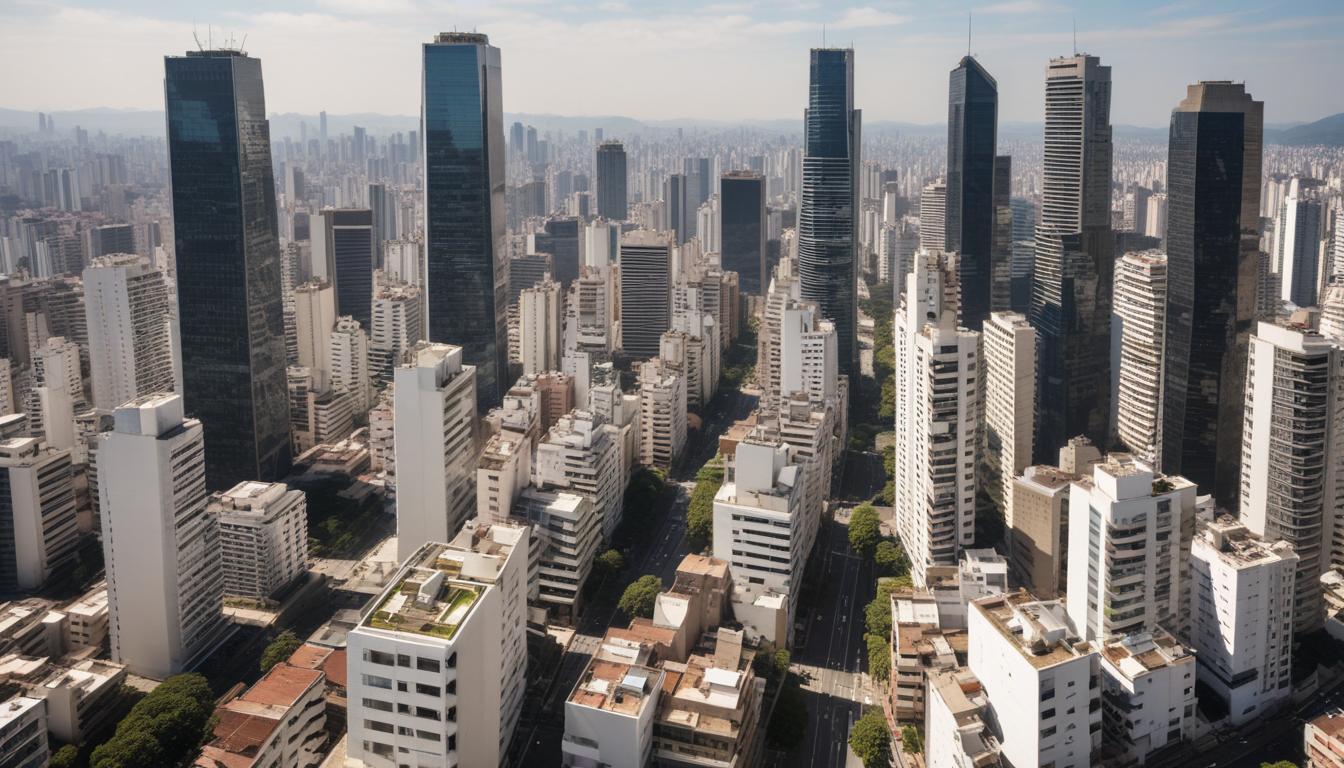
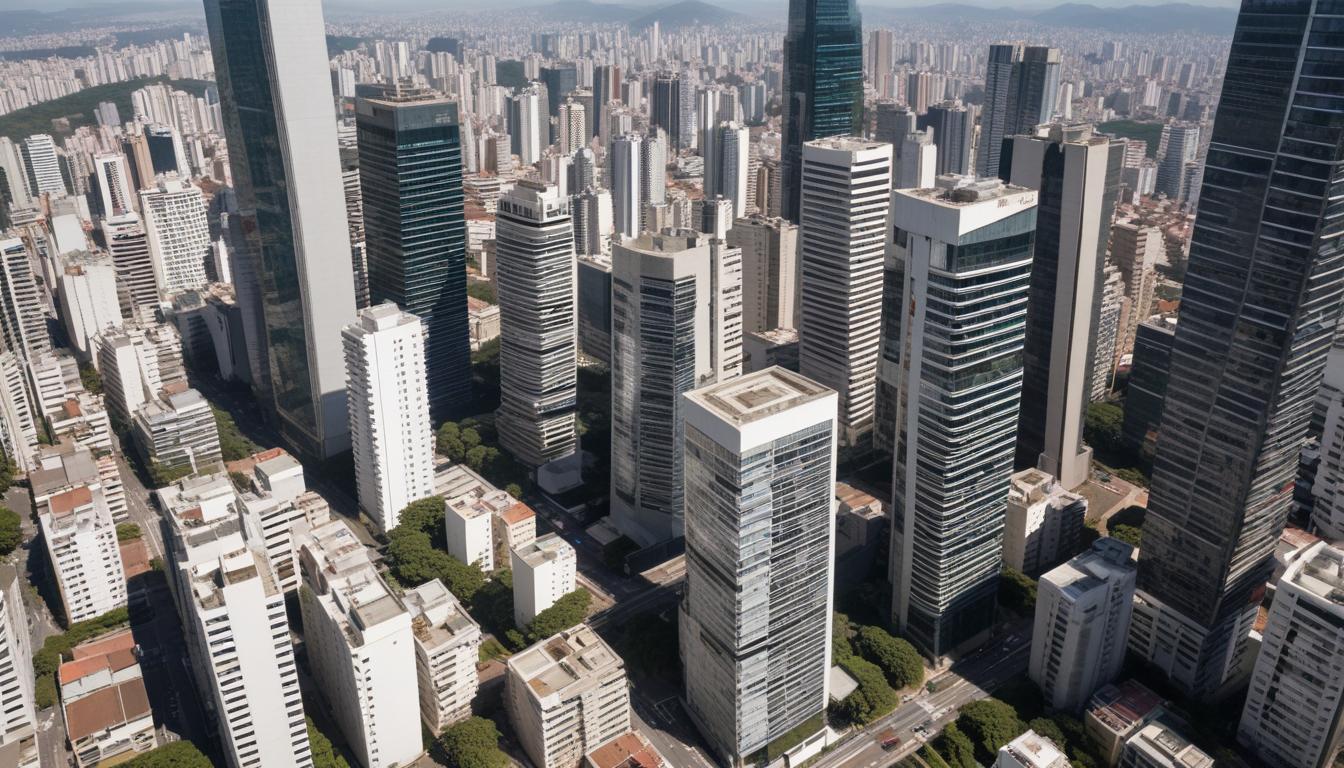
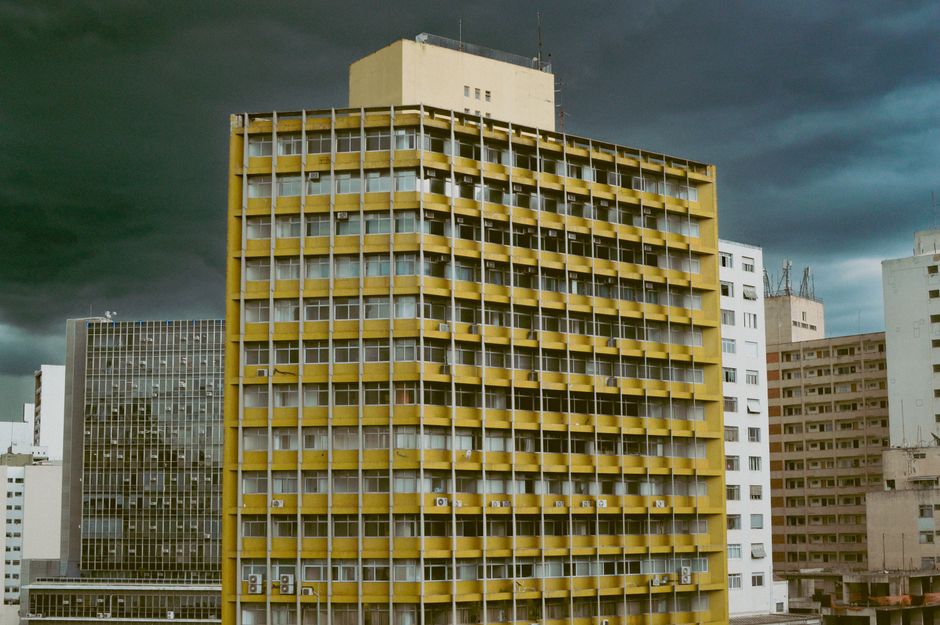
São Paulo's Tourism Boom: Who's Cashing In as the City Becomes a Global Destination
International arrivals are surging post-pandemic, and a new class of hospitality entrepreneurs in Vila Madalena and Pinheiros are leading the charge.
International arrivals are surging post-pandemic, and a new class of hospitality entrepreneurs in Vila Madalena and Pinheiros are leading the charge.
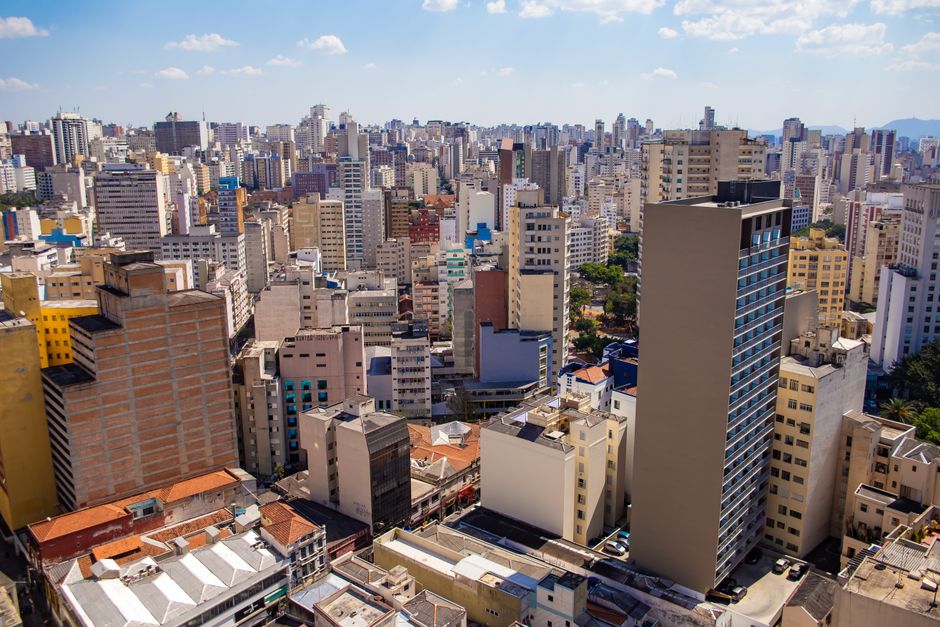
São Paulo's visitor economy is experiencing a remarkable inflection point. International arrivals to Brazil's largest city have climbed 34 percent year-over-year through the first half of 2026, according to preliminary data from the São Paulo Tourism Board, with sustained growth across corporate travel, cultural tourism, and adventure-seeking segments typically underserved during the pandemic recovery.
The beneficiaries are not the established hotel chains, but rather a second wave of boutique operators, experience curators, and neighbourhood-focused hospitality ventures banking on authenticity. In Vila Madalena—long a cultural epicentre but historically overlooked by international guidebooks—independent guesthouse operators report occupancy rates exceeding 78 percent, with average daily rates climbing from R$220 to R$340 per room since early 2025. Similarly, the Pinheiros corridor along Rua Bandeira has become a hub for experiential tourism operators offering everything from street art tours in favelas to artisanal coffee tastings in converted warehouses.
One indicator of this shift: Airbnb listings in central São Paulo boroughs have grown 22 percent, while traditional hotel development remains sluggish. Entrepreneurs with modest capital—typically between R$500,000 and R$1.2 million—are converting old mansions and commercial spaces into mid-range boutique properties, capturing the growing segment of international visitors aged 25 to 45 seeking neighbourhood immersion over corporate anonymity.
Culinary tourism has emerged as a particularly robust segment. The city's michelin-starred restaurants and emerging chef-driven neighbourhoods in Consolação and Vila Mariana are drawing food tourists from North America and Europe at higher per-capita spending rates than typical leisure visitors. Transport operators and tour aggregators are equally energised, with several small firms emerging to coordinate multi-day itineraries linking food, art, and adventure tourism.
The Secretaria Municipal de Turismo has recognised this decentralisation trend, recently launching targeted marketing campaigns positioning São Paulo as a city of neighbourhoods rather than monuments. This positioning aligns perfectly with the business model emerging organically: small, locally-rooted operators who understand their immediate geography intimately.
Not everyone is optimistic. Housing advocates warn that rising tourism-driven property values in Vila Madalena are accelerating gentrification, displacing long-term residents. Yet for entrepreneurs with either capital or local knowledge, the window for positioning in this emerging market appears wide open—at least through 2027, when capacity constraints will likely intensify competition and consolidate advantages toward early movers.
This article was compiled by AI from the sources linked above and screened before publishing. See our editorial standards.
How does this story make you feel?
Spread the word
About this article
Published by The Daily São Paulo
Daily brief
Free, in your inbox before 7am. Weekdays.
More in Business