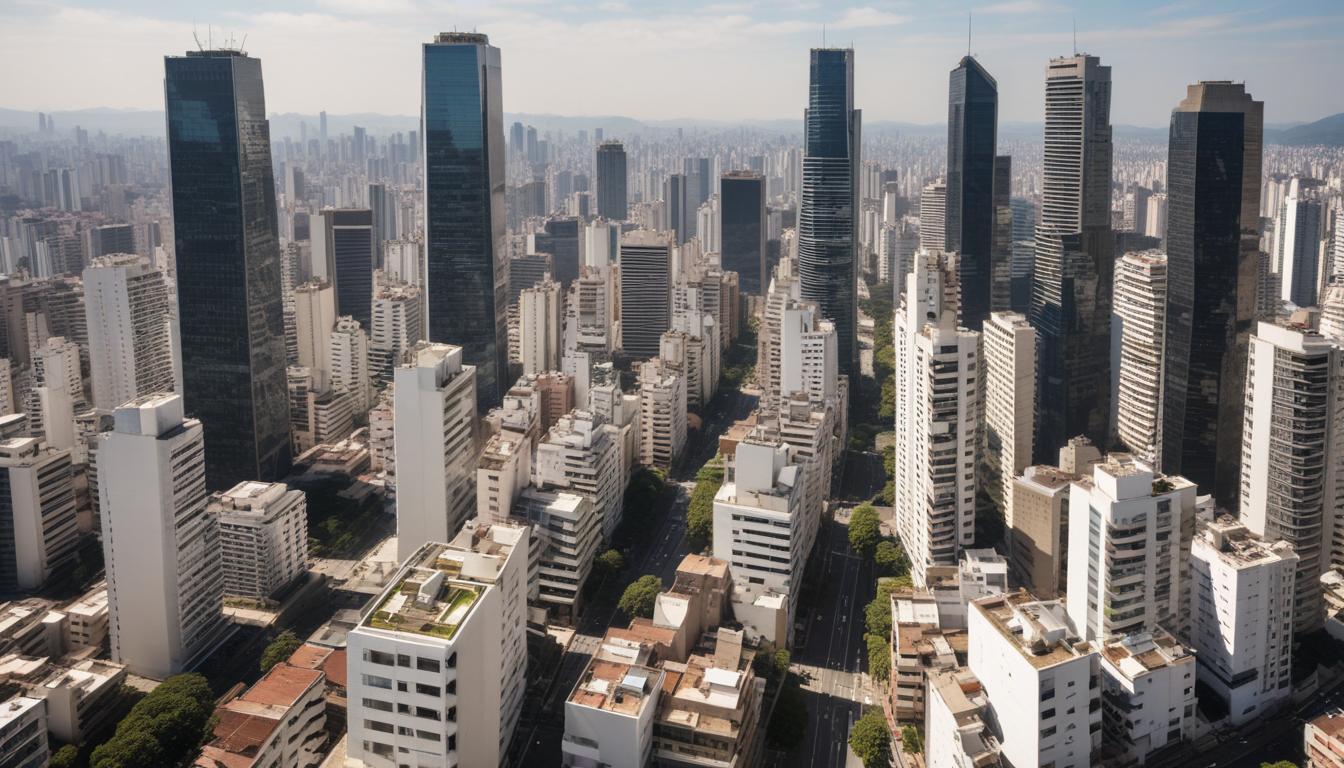
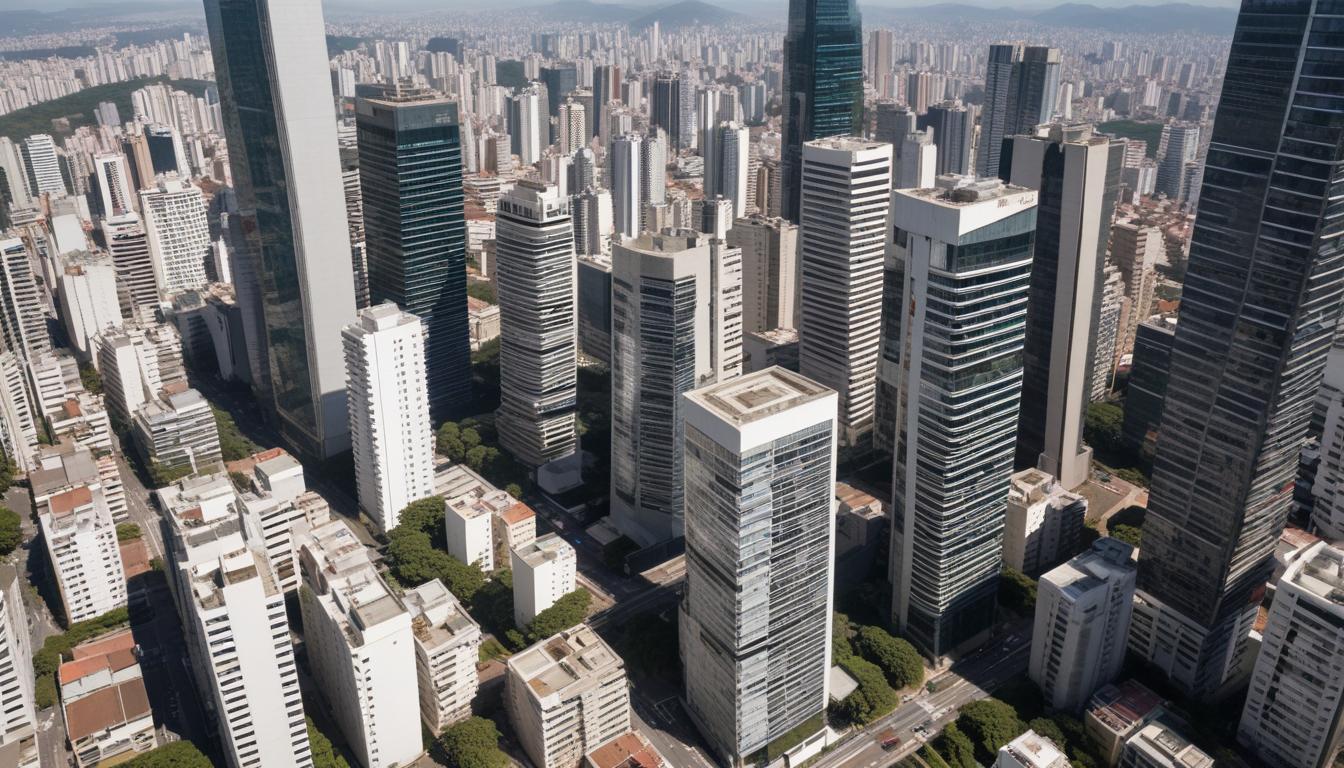
Walk down Rua Aspicuelta on a Friday evening and you'll find diners queuing for tables at establishments that barely existed five years ago. Yet one name keeps surfacing among São Paulo's most discerning food professionals: the restaurant collective anchoring the neighbourhood's culinary renaissance, built by an entrepreneur whose journey mirrors the city's own reinvention.
The retail hospitality sector in São Paulo generates approximately R$47 billion annually, according to the Brazilian Food Service Association, yet profitability remains elusive for most operators. Rising labour costs—currently averaging 32% of operating expenses against a national standard of 28%—have forced many closures, particularly among independent establishments.
What distinguishes this operator is an obsessive focus on supply-chain storytelling. Rather than sourcing through traditional distributors in the Ceagesp wholesale market, relationships with small producers across the Serra da Mantiqueira and Vale do Paraíba have become the business model's foundation. A single dish might feature heirloom tomatoes from a family farm in Santo Antônio do Pinhal, paired with artisanal cachaça from Salinas, integrated into a narrative that extends beyond plating.
The numbers reflect a different trajectory. Where comparable venues in Pinheiros report average covers of R$120-150, these establishments maintain R$180-220 price points while sustaining 85% table occupancy rates—roughly 20 percentage points above sector averages. The customer retention metric proves equally striking: 62% of diners return within three months, compared with 34% across similar-category restaurants citywide.
The model expanded strategically. A second location opened in Consolação last year, targeting the corporate lunch demographic, while a catering division now services São Paulo's event circuit. Recent expansion into prepared foods at selected points in Imigrantes Avenue and Rua Oscar Freire indicates confidence in scaling without diluting the core philosophy.
Industry observers point to one critical factor: the founder maintained kitchen leadership personally through the first three years, embedding quality control into operational DNA rather than delegating it. That hands-on approach—increasingly rare among growth-focused restaurateurs—appears to have inoculated the business against the quality degradation that typically accompanies expansion.
As São Paulo's hospitality sector navigates post-pandemic economics and shifting consumer preferences toward experience-driven dining, this entrepreneur's trajectory offers a counternarrative to closure-focused headlines. In a city of 12 million inhabitants generating R$8.2 billion in food service revenue annually, the question is no longer whether independent operators can survive—but which ones understand that storytelling and supply integrity now constitute competitive advantage.
This article was compiled by AI from the sources linked above and screened before publishing. See our editorial standards.