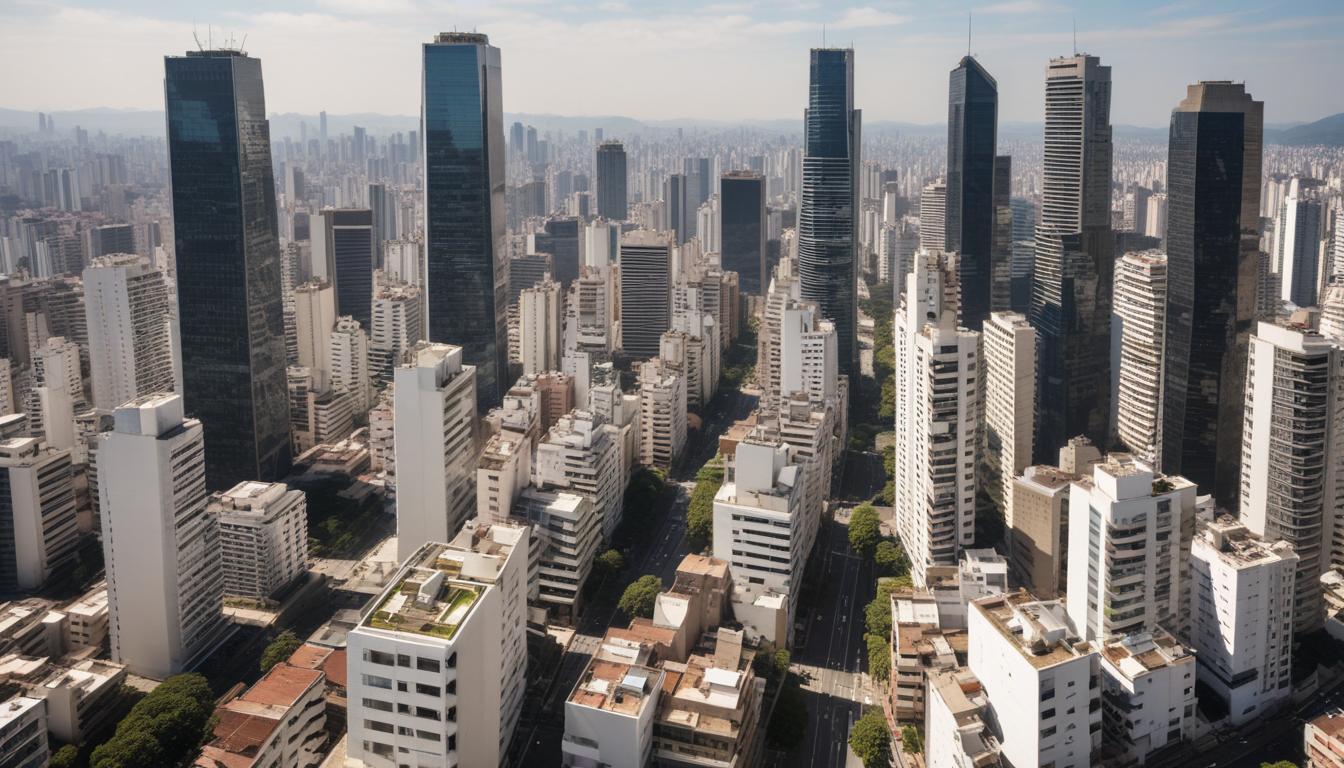
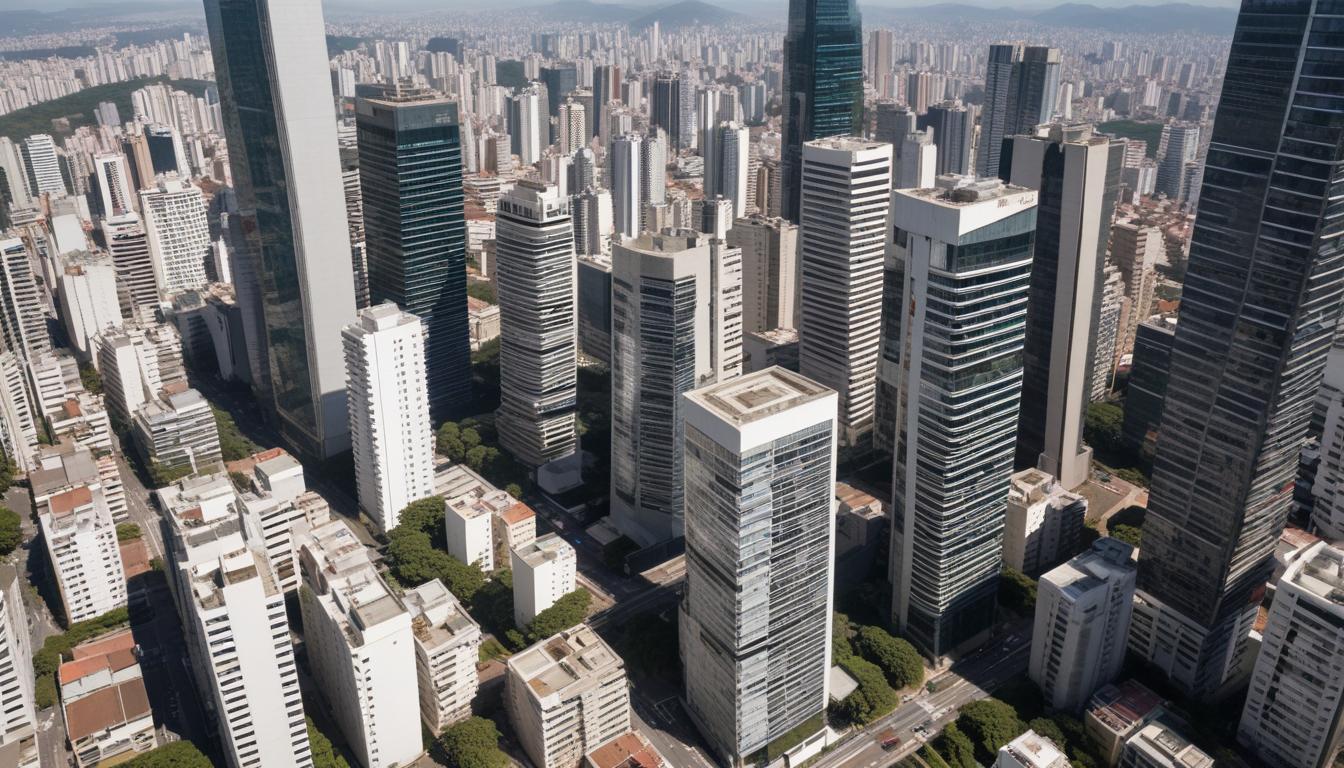
The optimism that carried São Paulo's small business sector through 2025 has largely evaporated. Walking through the narrow streets of Rua 25 de Março—the city's historic wholesale hub—and into the boutique galleries of Vila Madalena, entrepreneurs are grappling with a convergence of pressures that many describe as the most challenging operating environment since the pandemic recovery.
The numbers tell a stark story. Interest rates hovering near 11% have made working capital loans prohibitively expensive for small retailers and service providers. A survey by SEBRAE São Paulo released in May found that 67% of micro and small enterprises reported difficulty accessing credit, up sharply from 43% just two years ago. For a typical family-run fashion shop in Bom Retiro, securing a R$50,000 line of credit now costs significantly more than it did six months ago, compressing already thin margins.
Input costs remain volatile. A textile supplier in the Brás district reports that fabric costs have surged 18% year-on-year, while logistics expenses to distribute goods across the city's congested zones continue climbing. The port strikes affecting Santos—São Paulo's crucial gateway—have created unpredictability in import timelines, forcing many small importers to either hold larger inventories or risk stockouts.
Consumer spending patterns have shifted noticeably. Foot traffic in traditional retail zones like Rua Oscar Freire and Avenida Paulista's secondary streets has plateaued, with shoppers increasingly cautious about discretionary purchases. Restaurant owners report that average check sizes have dropped even as their operating costs—from commercial rent to staff wages—continue rising in line with inflation.
The gig economy and informal sector, which sustained many during harder times, now faces oversupply and price compression. Delivery services, once a lifeline for displaced workers, have seen rates erode as platforms compete aggressively.
Yet pockets of adaptation are visible. Some entrepreneurs are shifting toward higher-margin services, digital-first models, and collaborative spaces to share overhead. Business associations like ACSP (Associação Comercial de São Paulo) report increased demand for consulting on cost management and digitalization.
The challenge facing City Hall and state government is whether policy interventions—whether through credit programs, tax relief, or reduced red tape—can materialize quickly enough to prevent further business closures in the neighbourhoods that form São Paulo's commercial backbone.
This article was compiled by AI from the sources linked above and screened before publishing. See our editorial standards.