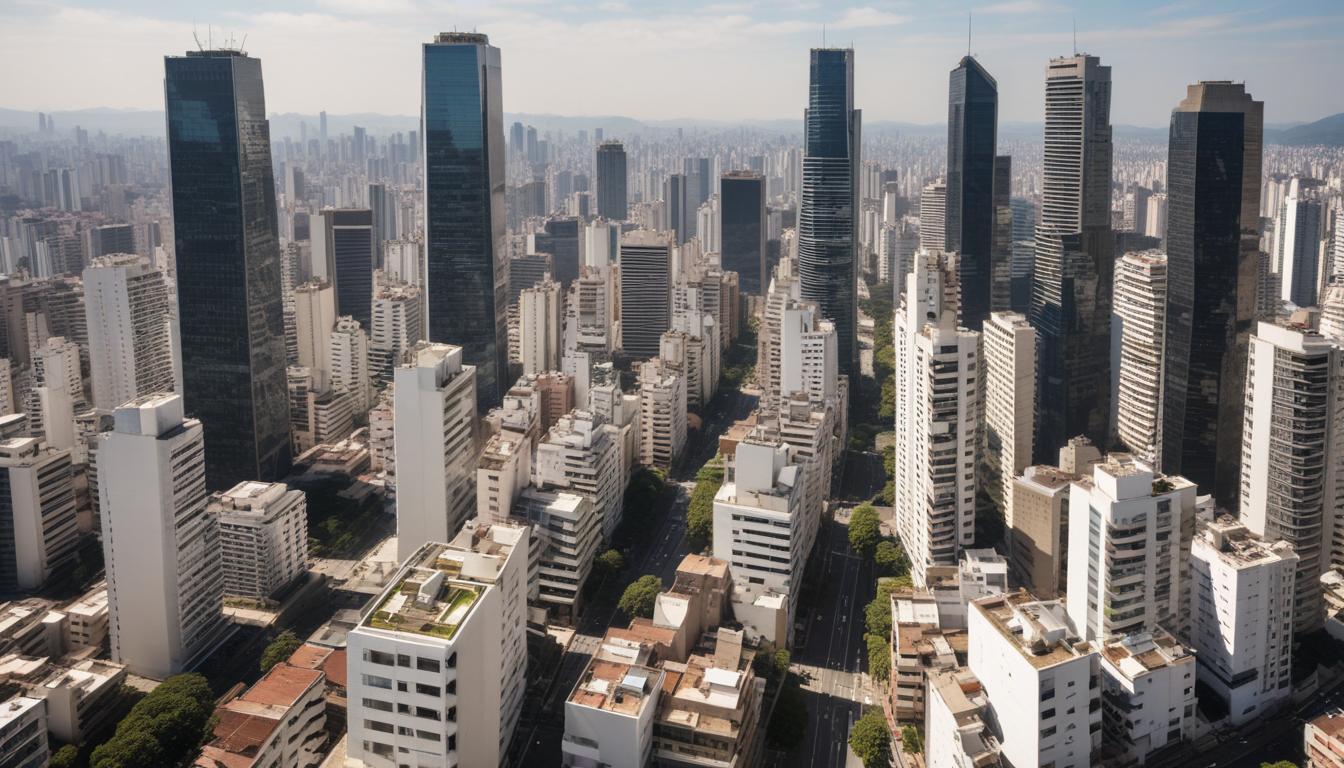
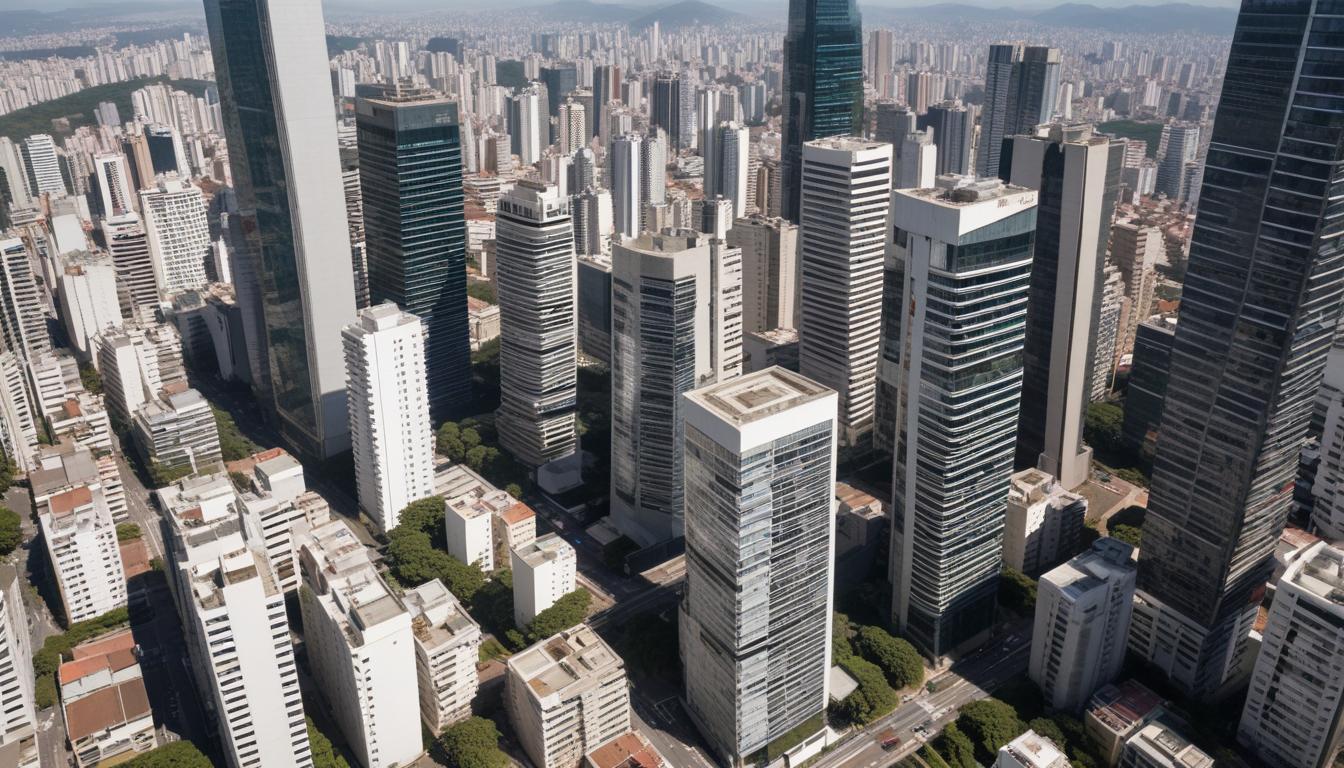
The transformation is visible in real estate prices and commute patterns. Six months ago, a junior software engineer in Vila Mariana could expect a salary 30-40% higher than a comparable role in the financial district. Today, that premium has evaporated as startups and scaleups compete fiercely for talent across São Paulo's expanding innovation zones.
The cluster effect is unmistakable. What began as scattered tech offices along Avenida Paulista has crystallized into distinct innovation districts. Vila Mariana hosts over 400 registered startups, while Pinheiros—anchored by the renovation of Estação Pinheiros—has emerged as a secondary hub attracting everything from venture capital firms to design agencies. Smaller but growing pockets in Vila Madalena and around Rua Augusta are beginning to show similar momentum.
This geographic decentralization is reshaping São Paulo's entire labour market. Traditional corporate headquarters in the Bom Retiro and Centro neighbourhoods report higher-than-usual turnover as mid-level talent gravitates toward equity options and the perceived flexibility of startup culture. Recruitment agencies like BHub and local talent platforms report a 45% year-on-year increase in demand for product managers, data scientists, and full-stack developers, but the supply hasn't kept pace.
The ripple effects extend beyond salaries. Innovation districts are normalizing work-from-home arrangements that were unthinkable in São Paulo's banking and petrochemical sectors just five years ago. Coworking spaces like WeWork and local competitors along Rua Bandeira now host rotating teams from different companies, a flexibility that traditional office leases rarely permitted. This shift is accelerating brain drain from legacy industries—particularly finance and manufacturing—to the tech sector.
Housing pressure tells another story. Rental prices in Vila Mariana jumped 18% annually as young professionals cluster near their employers, while peripheral neighbourhoods like Tatuapé have seen modest price increases as remote workers escape the congestion. The average commute time for startup employees in the innovation districts has dropped to 35 minutes, compared with the city average of 52 minutes.
Education institutions are adapting. Universities including USP and Insper have expanded their tech curricula and incubator programs, creating pipelines directly into these emerging hubs. Yet skills gaps remain acute—particularly in artificial intelligence and cloud infrastructure—forcing startups to compete internationally for talent.
By 2026, these innovation districts have become São Paulo's primary employment engine for educated young professionals. The shift is reshaping not just where people work, but how companies hire, pay, and retain talent across Latin America's largest economy.
This article was compiled by AI from the sources linked above and screened before publishing. See our editorial standards.