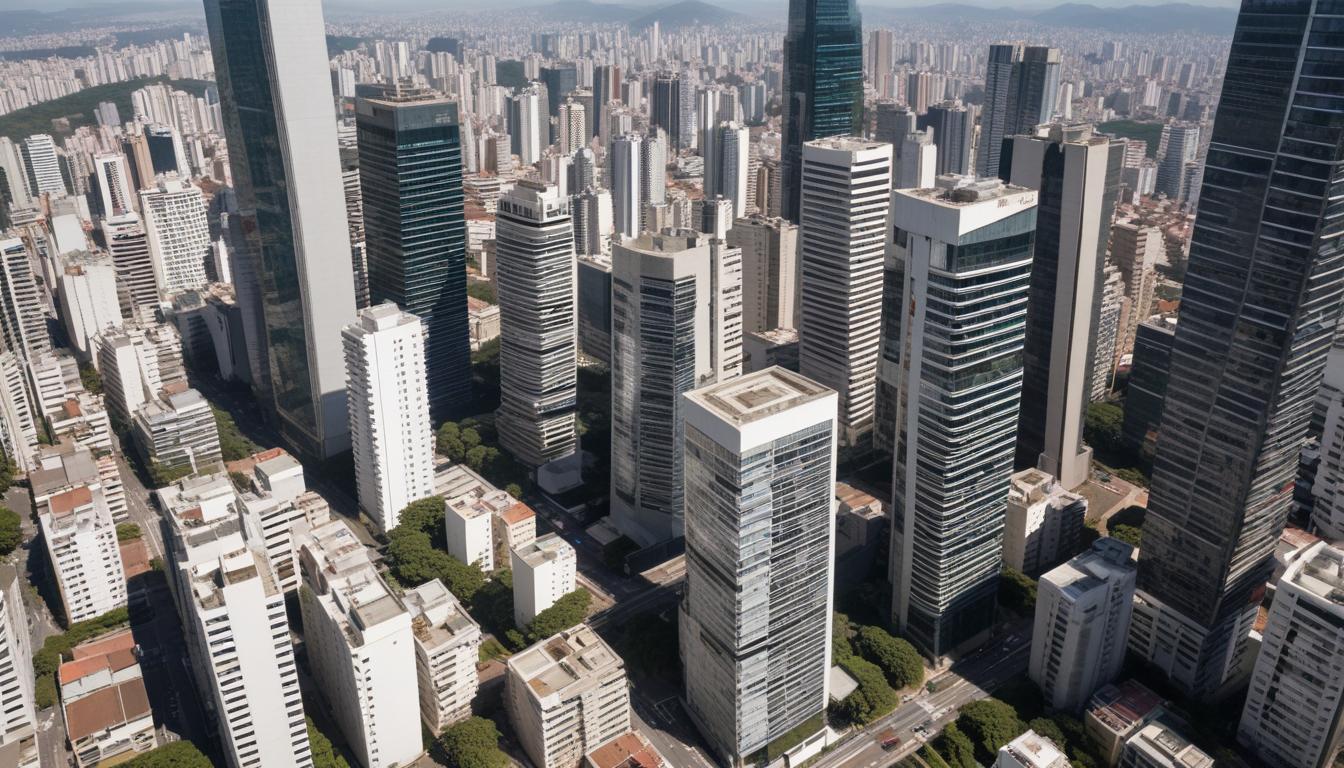
In a modest co-working space wedged between a craft brewery and a vintage bookshop on Rua Mourato Coelho, a São Paulo fintech startup is quietly reshaping how the city's middle class approaches personal finance. The company, which launched eighteen months ago, has attracted over 47,000 users across greater São Paulo—a notable achievement in a market flooded with established competitors from Rio and the South Region.
The founder's approach differs sharply from traditional wealth management firms clustered in Pinheiros and Higienópolis. Rather than targeting high-net-worth individuals, the platform focuses on salary earners struggling with inflation that has steadily eroded purchasing power. With monthly rent in desirable neighbourhoods like Consolação and Bela Vista now commanding R$2,500–R$4,000 for modest two-bedroom apartments, and supermarket staples rising 8–12 percent annually, São Paulo residents are increasingly seeking investment vehicles that don't demand six-figure minimums.
The platform charges a flat monthly fee of R$29.90—roughly the cost of two specialty coffees at a Vila Mariana café—rather than the percentage-based commissions that traditionally squeeze smaller investors. Users can begin with as little as R$100, gaining exposure to diversified portfolios including Brazilian government bonds, equity funds, and cryptocurrency allocations. Early adopters report portfolio growth averaging 14 percent annually, modestly ahead of the Selic rate.
What distinguishes this venture is its hyperlocal data approach. The team conducted extensive surveys across the Zona Oeste and Zona Leste—demographics typically underserved by traditional finance—discovering that 63 percent of respondents had never invested beyond savings accounts. The company now offers Portuguese-language financial literacy workshops at public libraries in Tatuapé and Sapopemba, free webinars hosted at SESC branches, and detailed guides addressing the specific cost-of-living pressures facing São Paulo families.
Industry observers note the timing is critical. Brazil's economic uncertainty, coupled with the Central Bank's recent interest rate adjustments, has driven middle-income earners toward alternative investment strategies. The startup's growth trajectory—expanding from 8,000 users in January to nearly 50,000 by June—suggests appetite for democratized finance in Latin America's largest metropolitan area.
While regulatory scrutiny remains a consideration, the venture has secured provisional licensing from the appropriate federal authorities. Whether this Vila Madalena operation can scale beyond São Paulo into a national player remains to be seen—but for now, it represents a notable example of homegrown fintech innovation addressing the city's authentic economic pressures.
This article was compiled by AI from the sources linked above and screened before publishing. See our editorial standards.