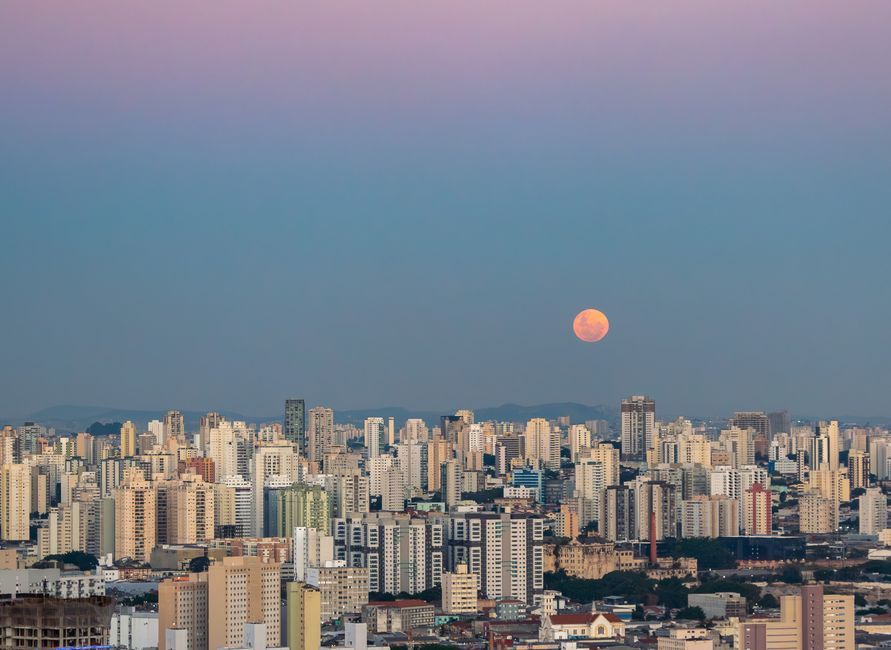
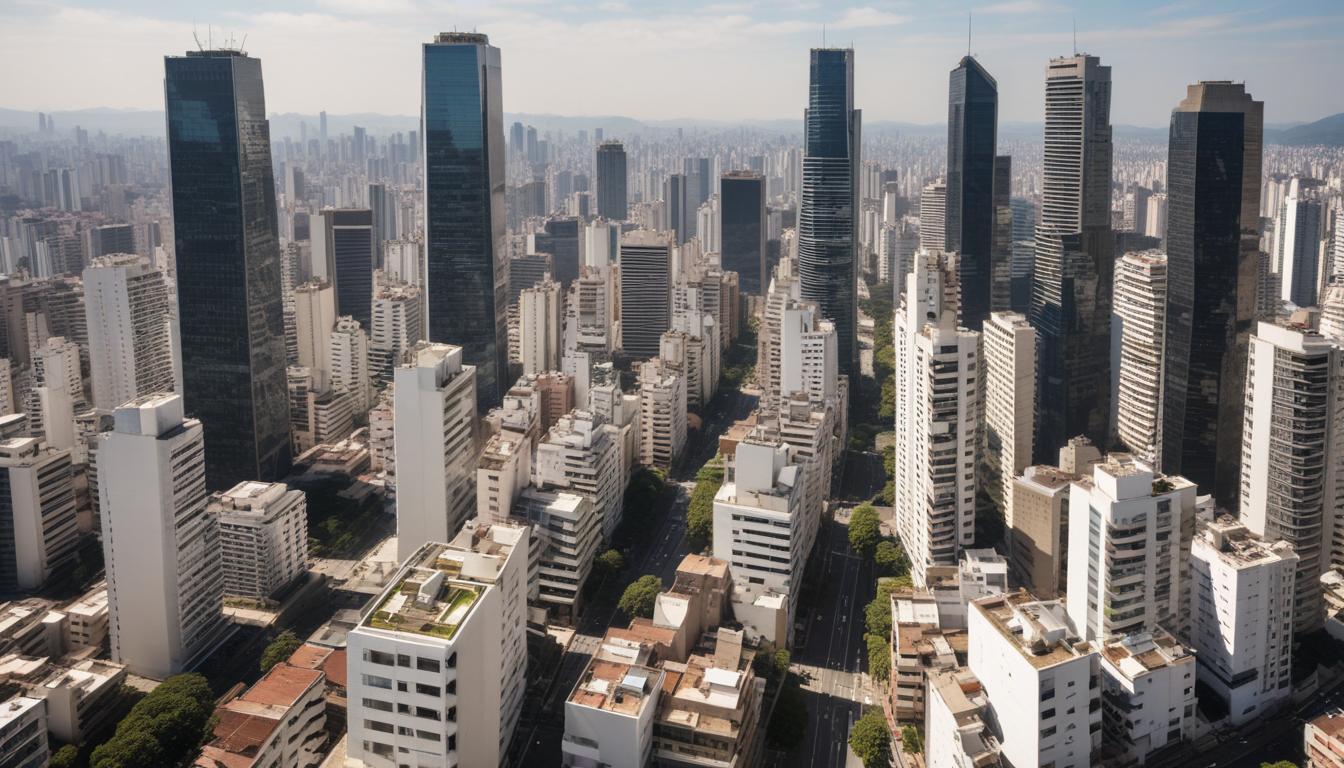
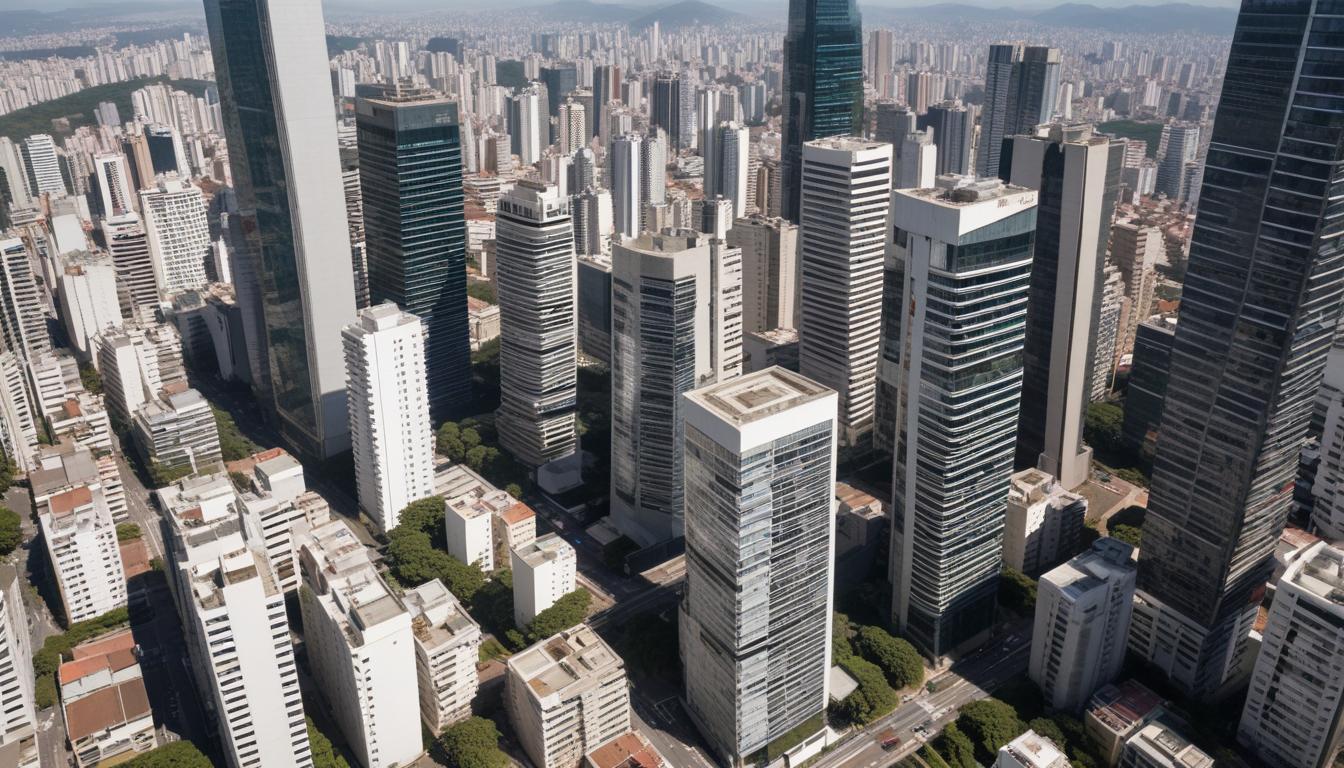
São Paulo's gleaming financial district—stretching from Avenida Paulista through Vila Mariana to the Pinheiros riverbank—is confronting a convergence of headwinds that threaten to undermine years of growth in the country's investment sector.
Commercial real estate costs in premium office towers near Av. Paulista have climbed approximately 18% over the past 18 months, straining operating budgets for mid-sized asset managers and boutique investment firms. Meanwhile, inflation running at 4.8% has eroded margins, particularly for smaller players unable to pass costs to clients who themselves face tighter liquidity.
The currency volatility has proven equally vexing. The real's weakness against the dollar—fluctuating between 4.90 and 5.15 over recent months—has complicated cross-border transactions and deterred international fund allocations to Brazilian equities. Several investment houses in the Itaim Bibi neighborhood report that institutional clients are repositioning portfolios away from domestic assets, seeking stability elsewhere.
"We're seeing a bifurcation," explains one veteran portfolio manager at a Jardins-based firm. "Mega-firms with global networks adapt quickly. Smaller independents struggle to compete."
Talent retention has become acute. Senior traders and analysts—the lifeblood of São Paulo's financial ecosystem—increasingly accept offers from São Paulo-based cryptocurrency platforms, fintech startups in República, or international offices. One recent survey suggested that nearly 12% of finance professionals in the city entertained relocation in the past year, drawn by remote-work flexibility and lower cost-of-living markets.
The squeeze on household finances compounds these sectoral challenges. Middle-class purchasing power in São Paulo's southern neighborhoods—traditionally where financial workers reside—has contracted as mortgage rates hold above 10%. Consumer confidence indices suggest many retail investors are stepping back from capital markets, reducing volumes at brokerage houses clustered around Pça. da Sé and the stock exchange district.
Regulatory changes surrounding ESG compliance and mandatory climate disclosures have also added compliance costs. Compliance departments across the city's investment firms have expanded, squeezing profitability without revenue growth to offset.
Yet not all signals are bleak. Domestic venture capital continues attracting capital, and some São Paulo-based firms report renewed interest in infrastructure and agribusiness funds as investors hedge inflation exposure. The challenge lies in whether these pockets of opportunity can offset broader sectoral pressures as we move through the second half of 2026.
This article was compiled by AI from the sources linked above and screened before publishing. See our editorial standards.