São Paulo's Food and Hospitality Sector Shows Mixed Signals as Investment Flows Tighten
Rising consumer confidence clashes with cautious capital deployment, reshaping expansion plans across Vila Mariana, Pinheiros and Mooca.
Rising consumer confidence clashes with cautious capital deployment, reshaping expansion plans across Vila Mariana, Pinheiros and Mooca.
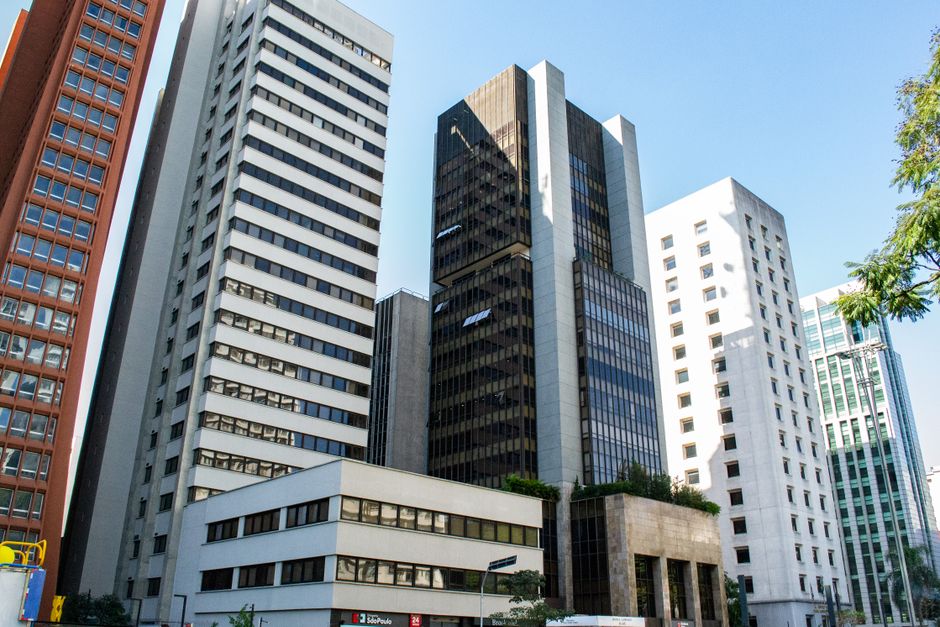
São Paulo's retail hospitality and food sector is sending contradictory signals to investors and operators alike as mid-2026 approaches. While consumer foot traffic in traditional dining hubs like Rua Oscar Freire and Avenida Paulista has recovered to pre-pandemic levels, capital inflows into new ventures have become noticeably selective, reflecting broader economic uncertainty rippling through Brazil.
Recent data from the São Paulo Chamber of Commerce indicates that restaurant openings in established neighbourhoods—Vila Mariana, Pinheiros, and Mooca—accelerated through the first quarter, with approximately 340 new establishments registering licenses. However, the composition of these ventures tells a clearer story: casual dining and food courts dominated, while upscale fine-dining projects declined 22 percent year-on-year. Average startup capital requirements have shifted downward, with median investment falling from R$850,000 to R$620,000 since early 2025.
Investment flows reveal institutional caution. Major hospitality groups have paused expansion into secondary neighbourhoods, consolidating instead around proven revenue drivers. The Imigrantes and Vila Olimpia corridors—historically resilient—continue attracting venture capital, but peripheral zones struggle. A senior analyst from the Associação Brasileira de Bares e Restaurantes (Abrasel) noted that franchise models and pop-up concepts now represent 43 percent of new registrations, up from 31 percent two years ago, suggesting operators are hedging capital risk through flexible lease structures.
Labor costs remain a persistent headwind. Minimum wages in São Paulo's hospitality sector hover around R$1,480 monthly, creating margin pressure exacerbated by energy and ingredient inflation. Yet employment in food services grew 3.2 percent over the past year, indicating underlying resilience despite tighter margins.
Consumer spending patterns show recovery inequality. Middle-income diners frequent casual establishments along Rua Augusta and Consolação, while ultra-premium venues in Jardins report steady but non-expanding clientele. Average meal expenditure ranges from R$65 for casual dining to R$320+ for fine dining, with few customers trading up to premium tiers.
The outlook hinges on currency stability and interest rates. Lower borrowing costs could unlock dormant capital for renovation and expansion, particularly among established operators holding properties in high-value areas. Meanwhile, international investors—traditionally active in São Paulo's hospitality market—remain circumspect, waiting for clearer macroeconomic visibility before committing fresh capital.
For entrepreneurs and investors, the message is clear: execution precision matters more than ambition. Nimble operators with proven models, manageable debt, and adaptable concepts are attracting backing. Those betting on consumption-led growth recovery have time, but capital will reward efficiency above all else.
This article was compiled by AI from the sources linked above and screened before publishing. See our editorial standards.
How does this story make you feel?
Spread the word
About this article
Published by The Daily São Paulo
Daily brief
Free, in your inbox before 7am. Weekdays.
More in Business