São Paulo's startup boom hits turbulence as funding dries up and talent flees abroad
Rising interest rates, currency volatility, and brain drain are forcing innovation district operators to recalibrate expectations for 2026.
Rising interest rates, currency volatility, and brain drain are forcing innovation district operators to recalibrate expectations for 2026.

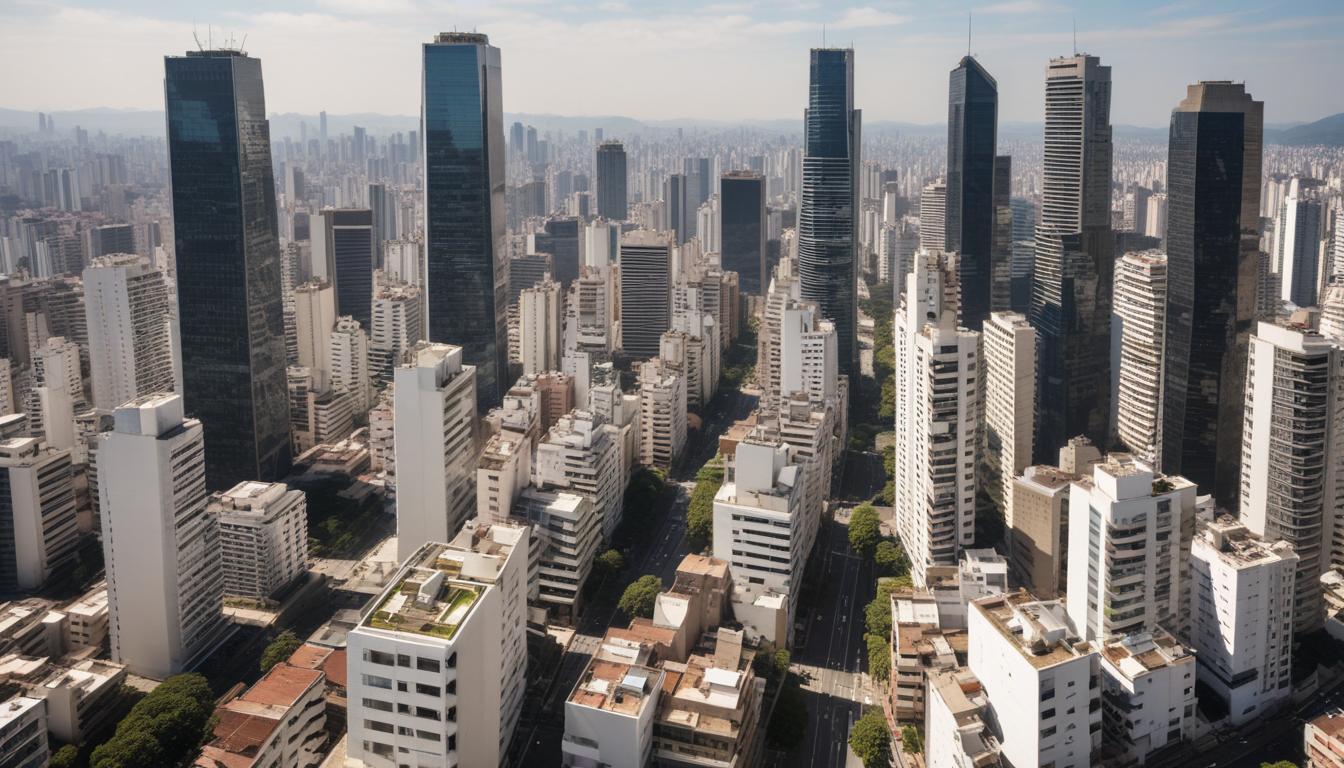
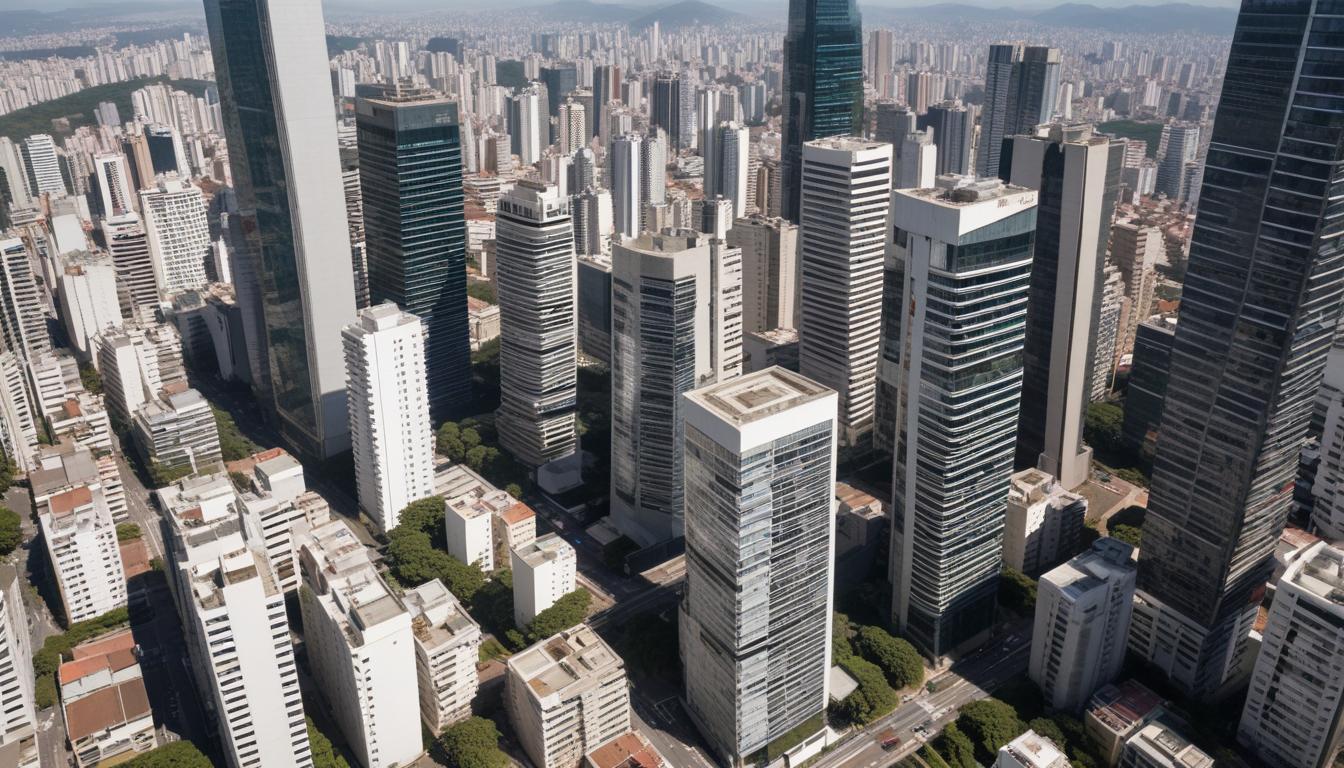
The gleaming co-working spaces along Avenida Paulista and the converted warehouses of Vila Madalena that once buzzed with venture capital pitches are facing their harshest reality check since the pandemic. São Paulo's startup ecosystem, which attracted nearly $4.2 billion in venture funding in 2021, has contracted sharply as macroeconomic headwinds intensify across Brazil and the broader region.
Operators of innovation hubs in the city's prime entrepreneurial zones report occupancy rates dropping below 70 percent, a sharp decline from the 85-90 percent highs of 2022. The Raptor, a prominent accelerator near Largo da Batata in Pinheiros, and several competitors in the Bom Retiro district have restructured their programs, reducing cohort sizes and extending runway timelines to account for the scarcity of follow-on funding.
"The reality is brutal," says the ecosystem broadly through industry observers and operators. Foreign investors who once viewed São Paulo as a gateway to Latin American markets have retreated, particularly venture funds from Silicon Valley and European firms that dominated earlier rounds. Currency depreciation—the real weakening significantly against the dollar—has made Brazilian startups less attractive as exit multiples shrink when converted back to hard currency.
Rising interest rates set by Brazil's central bank to combat inflation have made traditional financing prohibitively expensive. A startup seeking a bridge loan faces rates exceeding 12 percent annually, compared to single-digit rates available in Miami or Mexico City. This gap has prompted a steady exodus of founders to regional hubs, with LinkedIn data suggesting a 15 percent increase in São Paulo-based entrepreneurs relocating to other cities or abroad since late 2025.
Tech talent retention is equally troubling. Engineers and product managers command premium salaries in reais while dollar-denominated offers from remote roles—or relocation packages to the United States—prove irresistible. Recruiters operating across Itaim Bibi and Cerqueira César report candidate acceptance rates down 30 percent year-over-year for roles offering local compensation.
The infrastructure itself remains world-class: fiber connectivity across the city's business districts, a young demographic cohort, and institutional support from FAPESP continue to distinguish São Paulo. Yet momentum has unmistakably stalled. Fewer business plan competitions are launching, incubators are consolidating, and the speculative energy that once animated Wednesday-night pitch events in Vila Mariana has given way to cautious pragmatism.
Recovery, stakeholders acknowledge privately, depends on stabilization of Brazil's macro environment and renewed appetite from institutional capital—neither appearing imminent as 2026 unfolds.
This article was compiled by AI from the sources linked above and screened before publishing. See our editorial standards.
How does this story make you feel?
Spread the word
About this article
Published by The Daily São Paulo
Daily brief
Free, in your inbox before 7am. Weekdays.
More in Business