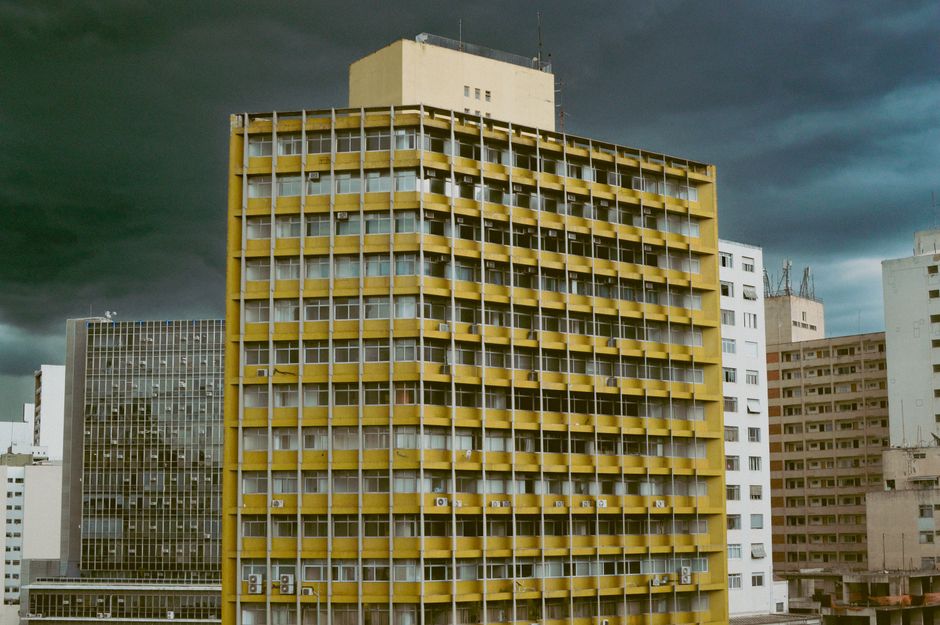
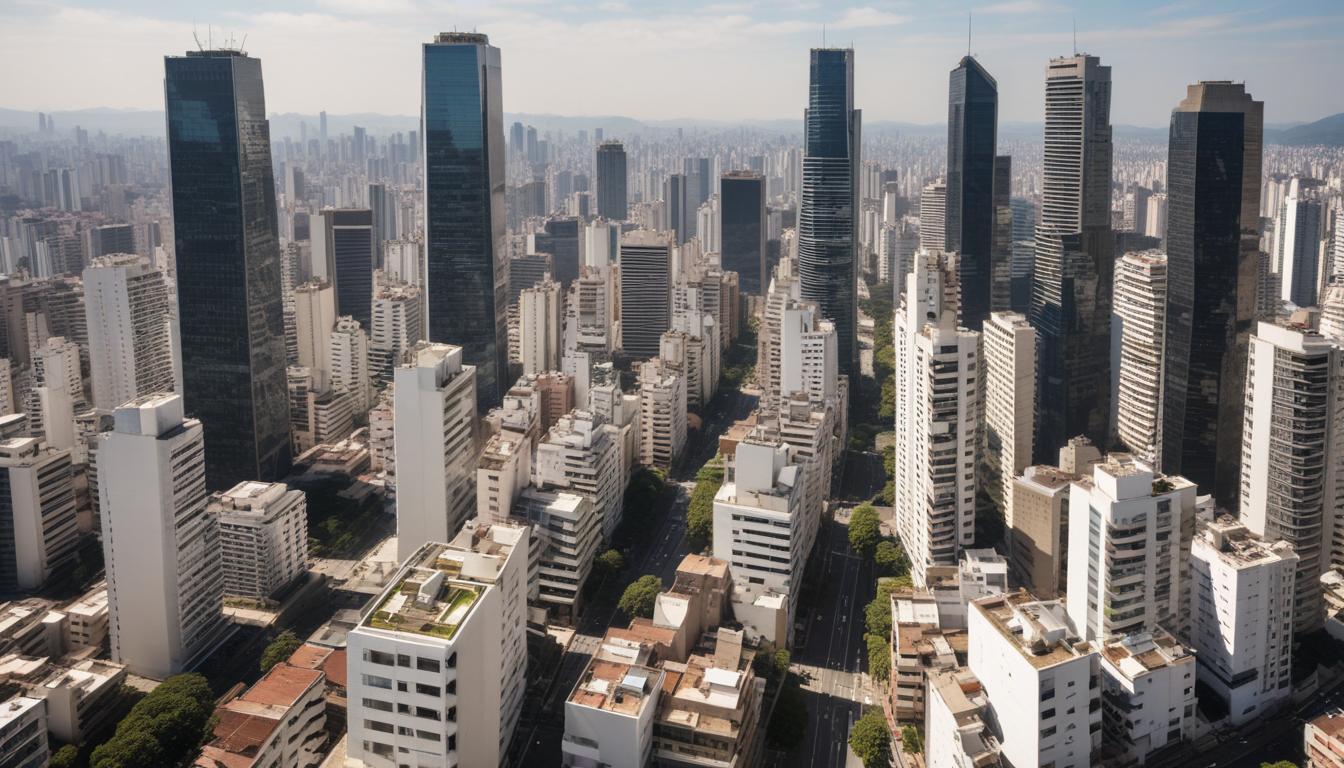
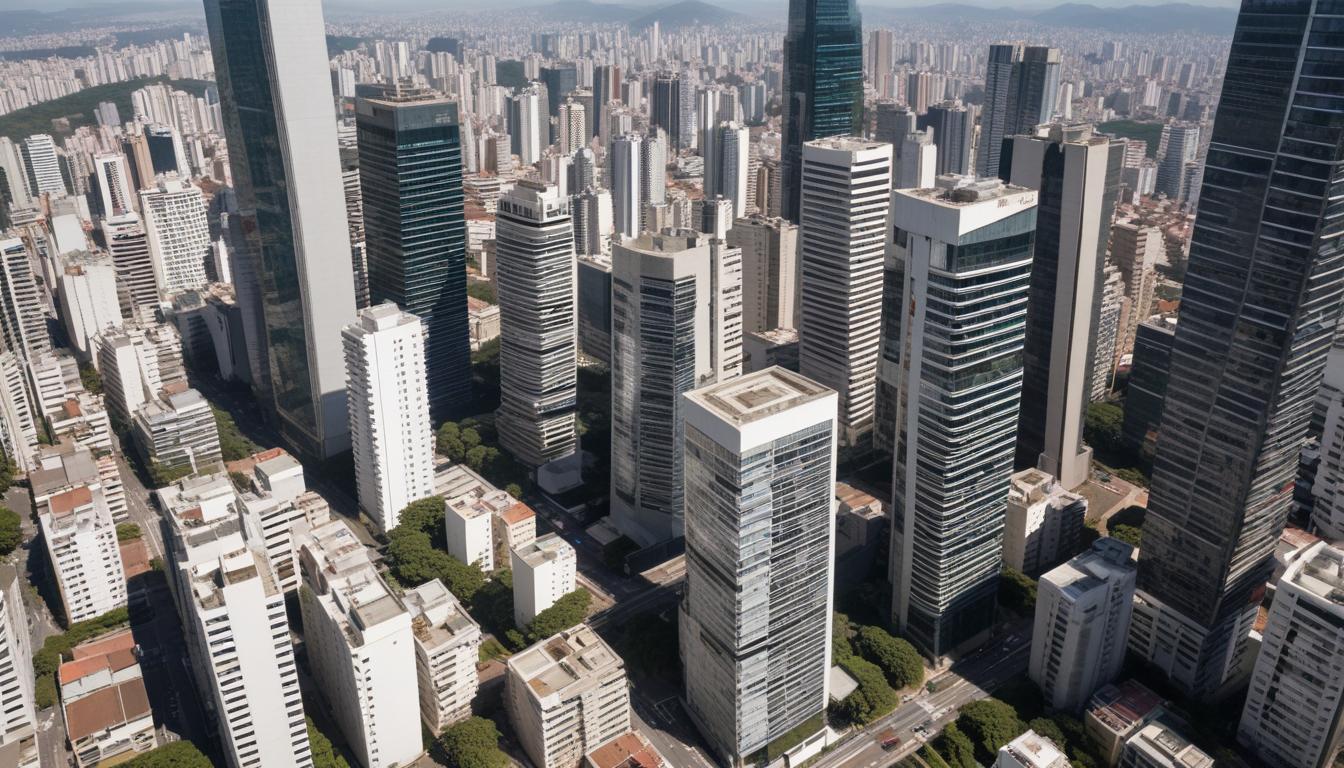
The transformation is unmistakable on Paulista Avenue. Where gleaming corporate towers once anchored São Paulo's identity as Brazil's undisputed financial capital, vacancy rates have climbed above 18 percent—a level not seen since the 2008 crisis. Yet the city's commercial real estate market isn't contracting; it's migrating.
Major tech firms and multinational corporations are increasingly ditching prime Paulista and Centro addresses for emerging office clusters in Vila Madalena, Pinheiros, and—most dramatically—the outer districts of Taboão da Serra and Alphaville. Commercial rents in these peripheral zones have surged 40 percent over the past three years, according to recent market analysis, while Paulista Avenue has depreciated by nearly 12 percent.
The shift reflects a deeper recalibration of corporate priorities: younger companies prioritize flexibility and cost efficiency over prestige addresses, while hybrid work arrangements have made central locations less critical. But for São Paulo's job market, the consequences are profound and uneven.
"We're seeing a geographic bifurcation of opportunity," explains market analyst perspective from the commercial sector. Workers in the metropolitan periphery face expanding job prospects in their own neighborhoods, yet face longer commutes if they seek positions elsewhere. Meanwhile, professionals living in expensive central zones like Jardins increasingly find themselves priced out of commuting to suburban offices.
The talent implications are stark. Recruitment firms report difficulty filling senior positions in Alphaville despite attractive packages, as established professionals balk at 90-minute commutes from established residential areas. Conversely, entry-level workers from outer suburbs now have unprecedented local access to corporate employment, potentially altering socioeconomic mobility patterns for an emerging generation.
Real estate investors have noticed. Property developers are rapidly converting older commercial stock in Taboão da Serra and the edges of Osasco into modern office complexes, betting that the exodus from Paulista will continue. The Imigrantes corridor in particular is attracting logistics and back-office operations seeking cost advantages and easier highway access.
São Paulo's municipal government has been slower to adapt. Transit infrastructure remains oriented toward pulling workers into the center, not distributing them across peripheral nodes. Bus routes and metro expansion haven't kept pace with the new office geography, leaving workers in limbo.
The irony is sharp: as São Paulo decentralizes, it risks deepening inequality. The city's talent market is being remade not by planning, but by real estate arbitrage. Whether this creates genuine opportunity or simply displaces disadvantage outward remains São Paulo's next critical business question.
This article was compiled by AI from the sources linked above and screened before publishing. See our editorial standards.