From Rua 25 de Março to the revamped Mercadão, traditional retail spaces are embracing sustainability and community-first models that have transformed how the city shops.
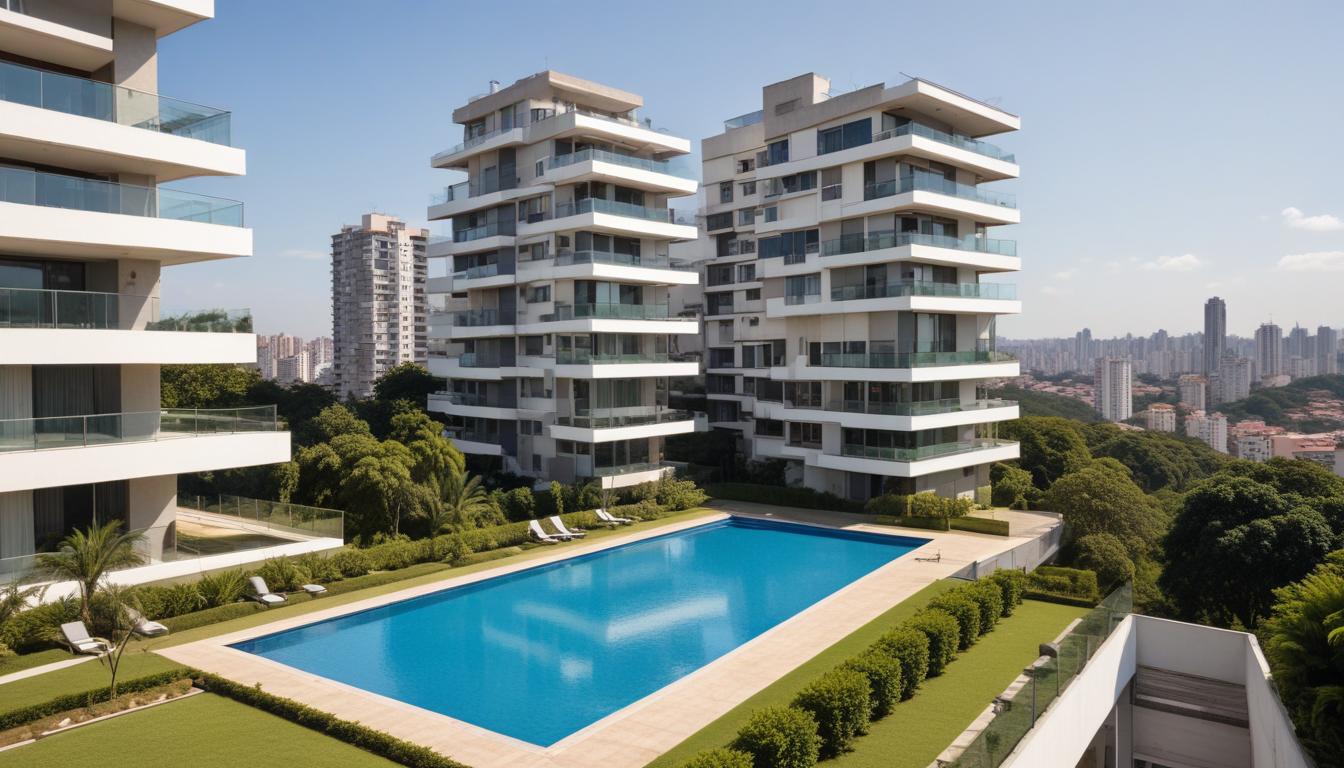
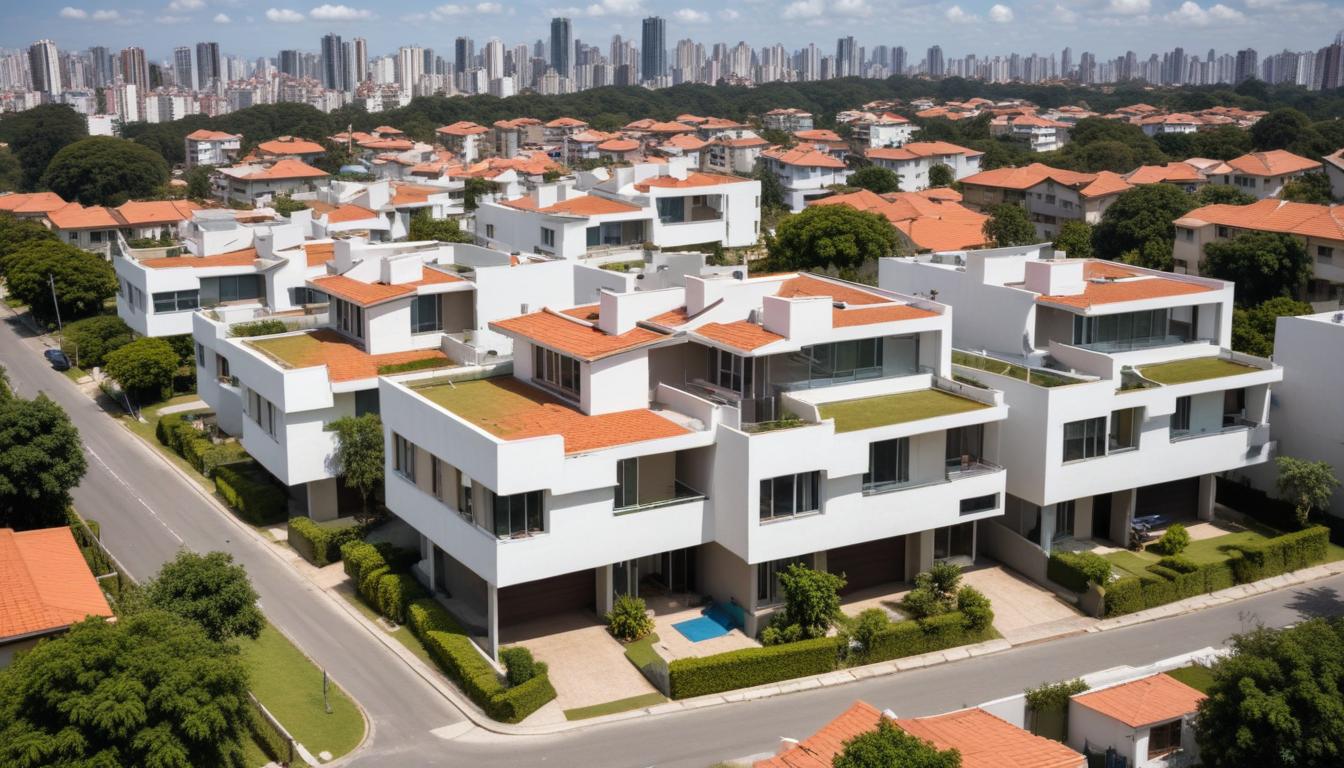
New high-end residential projects in Itaim Bibi and Pinheiros signal a strategic shift in where the city's wealthiest are choosing to build and invest.
From Ibirapuera's terrain to Paulista's pavements, here's what gerontologists and local physiotherapists say actually protects joints and independence for 60+ Paulistanos.
From artistic roots to cosmopolitan hub, the bars of Vila Madalena reveal how a historic district remains rooted in community while embracing constant change.
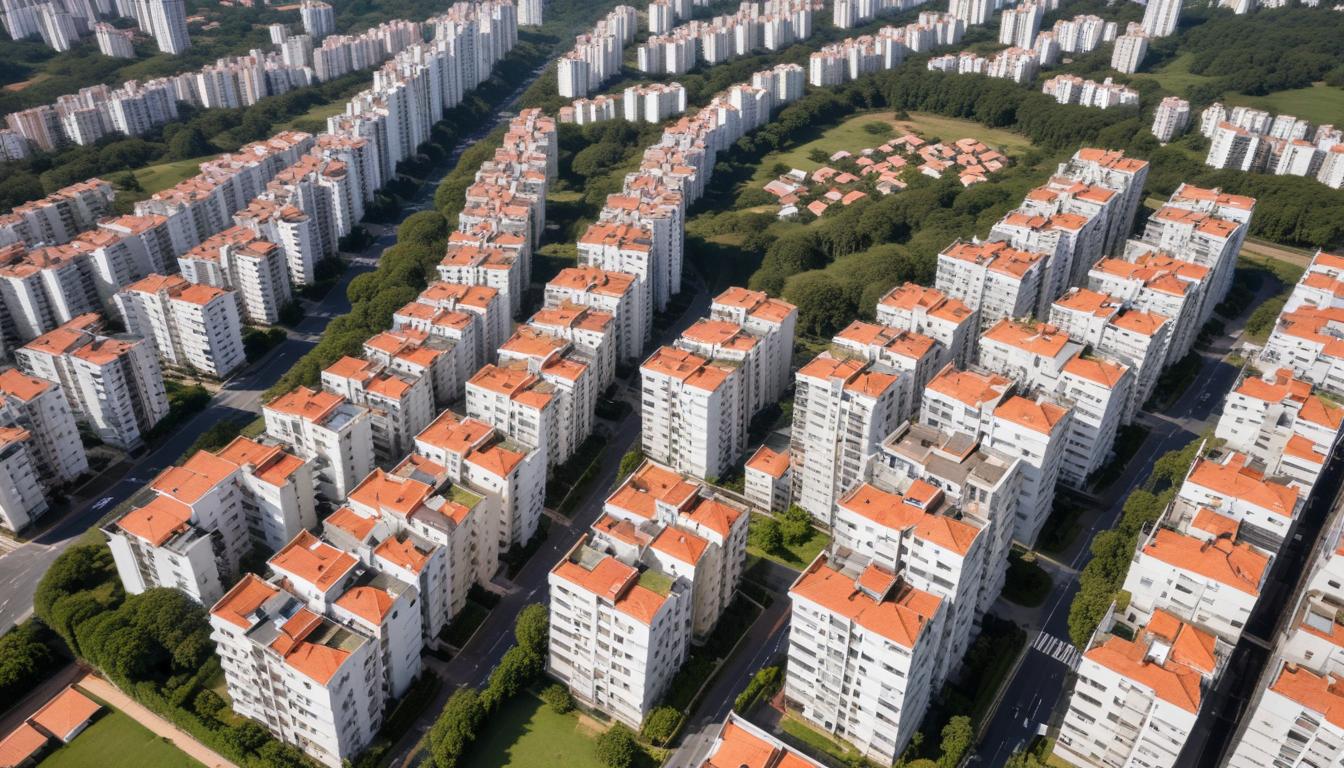
New planning framework unlocks density in Tatuapé and Mooca while premium neighbourhoods tighten restrictions, forcing capital reallocation across the market.
A growing movement of community organisations in the historic Bom Retiro neighbourhood is challenging how the city remembers—and celebrates—its layered immigrant past.
As startup hubs sprawl across Vila Mariana, Pinheiros and beyond, the city's employment landscape is shifting faster than ever—reshaping salaries, skills demands, and what it means to build a career here.
New census data reveals that foreign-born residents now represent 8.2% of São Paulo's population, driving significant changes in housing, employment, and cultural infrastructure across the metropolis.
Over three decades, the city transformed from a single annual carnival into a year-round events ecosystem that now attracts millions and shapes Brazil's cultural identity.
A new generation of artists and community organizers is transforming neighbourhoods like Vila Madalena and 25 de Março into globally recognized creative districts—one wall at a time.
From indigenous roots to immigrant waves and modernist revolution, São Paulo's cultural heritage tells the story of Brazil itself—and it's hiding in plain sight across the city's neighbourhoods.
As Middle East instability and Venezuelan migration surge, restaurateurs in Vila Mariana and Pinheiros face unprecedented sourcing challenges and labor market shifts.
A century of transformation—from the ornate stages of the 1920s to today's experimental spaces—reveals how São Paulo's performing arts scene became one of Latin America's most vital creative engines.