São Paulo's Zoning Overhaul Reshapes Developer Playbook as Approvals Accelerate
New planning framework unlocks density in Tatuapé and Mooca while premium neighbourhoods tighten restrictions, forcing capital reallocation across the market.
New planning framework unlocks density in Tatuapé and Mooca while premium neighbourhoods tighten restrictions, forcing capital reallocation across the market.
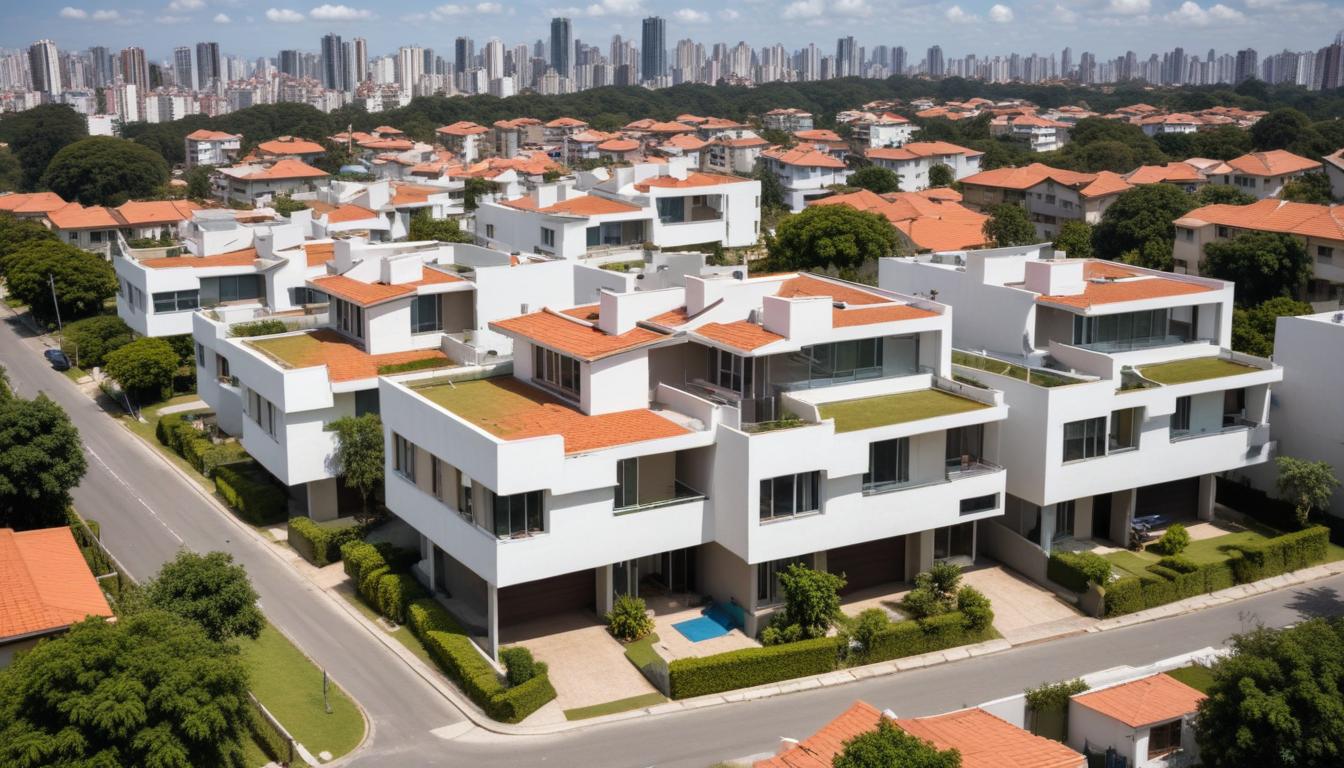
São Paulo's property market is experiencing a significant recalibration following the municipal administration's revised zoning regulations, implemented earlier this year. The changes to floor-area ratios and land-use classifications in key growth corridors have already altered development pipelines and investment patterns, signalling a structural shift in where new construction capital flows across the city.
The most dramatic impact has emerged in the eastern zones. Tatuapé and Mooca, traditionally positioned as secondary markets relative to the premium Jardins-Pinheiros axis, now permit residential towers up to 25 storeys in designated areas—a significant increase from previous caps. Real estate consultancies report that approved projects in these neighbourhoods jumped 34 per cent in the first half of 2026, with average asking prices for new units climbing to BRL 12,500 per square metre, narrowing the historical gap with established westside precincts.
Conversely, stricter environmental and heritage overlays in Vila Madalena have delayed several mid-rise projects along Rua Harmonia and adjoining streets. The neighbourhood's cultural cache remains intact, but slower approval timelines have redirected investor appetite. Luxury segment activity in Itaim Bibi and Ibirapuera surrounds has remained resilient, though developers report longer permitting windows.
The Prefeitura's shift reflects broader planning objectives: encouraging vertical development in transit-rich eastern corridors while preserving lower-density character in established west-side residential zones. The Linha Verde extension, expected to reach Tatuapé by 2028, has amplified developer confidence in the region. Several major incorporadoras have announced master-plan projects there, with combined investment estimates exceeding BRL 2.5 billion.
Market observers note the policy's unintended consequences. Reduced development potential in traditionally expensive neighbourhoods has paradoxically strengthened resale values for existing apartments in Jardins and Pinheiros—perceived as scarcer assets. Average prices in those precincts have edged toward BRL 15,000 per square metre, reinforcing supply constraints.
Industry groups remain divided. Builders operating in growth zones welcome clarity and streamlined approvals. However, smaller developers operating across multiple zones report complexity navigating overlapping regulations. The Sindicato da Indústria Imobiliária de São Paulo has called for consolidated zoning guidance to reduce compliance friction.
As the market digests these planning changes, the next trigger point will be the Câmara Municipal's review of commercial zoning along Avenida Paulista and Avenida Brigadeiro Faria Lima, due in Q4. That decision will define whether office and mixed-use development follows residential capital eastward—or consolidates further in established CBD precincts.
This article was compiled by AI from the sources linked above and screened before publishing. See our editorial standards.
How does this story make you feel?
Spread the word
About this article
Published by The Daily São Paulo
Daily brief
Free, in your inbox before 7am. Weekdays.
More in Property