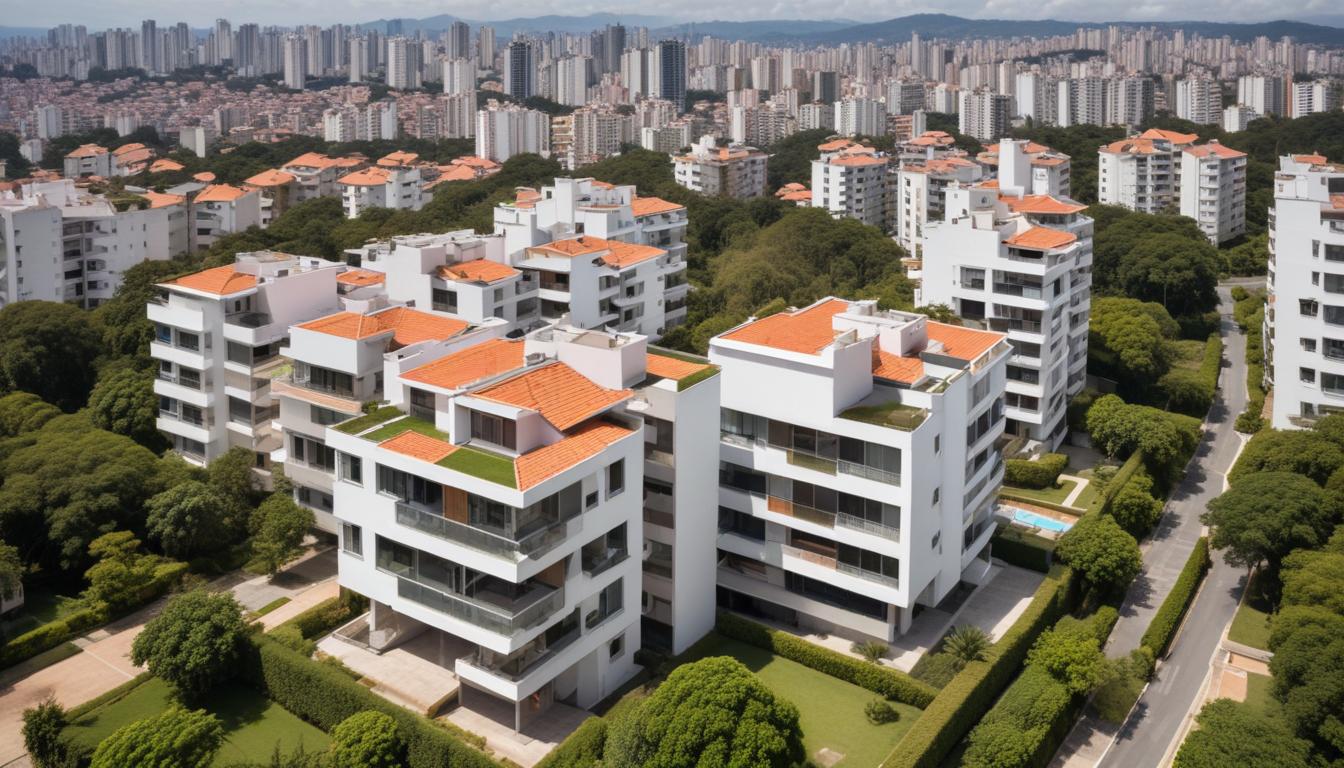
São Paulo's luxury property market is experiencing a decisive shift. While the city's average price per square metre hovers around BRL 10,000, prime addresses in Jardins, Pinheiros, and Itaim Bibi are commanding valuations that reflect an entirely different economic reality—one shaped by international capital flows, remote-work migration, and a renewed appetite for trophy assets among Brazil's ultra-wealthy.
The drivers are multifaceted. First, geopolitical uncertainty abroad has prompted wealthy families to repatriate capital to Brazil, with São Paulo serving as the natural safe haven. Institutional investors scanning Latin America continue to view the city's premium corridor—particularly the tree-lined streets around Avenida Brasil and the residential enclaves near Parque Ibirapuera—as relatively stable long-term holdings. Simultaneously, the normalisation of hybrid work arrangements has created demand among international executives seeking permanent São Paulo bases, fuelling competition for penthouses in Itaim Bibi's modern towers.
Currency dynamics matter too. The real's volatility has made luxury property an attractive hedge against inflation for local millionaires diversifying beyond financial markets. Properties in consolidated neighbourhoods like Vila Madalena, once dismissed as merely "trendy," are now recognised as genuine long-term value preservers, with adjacent commercial vibrancy around Rua Girassol adding tangible amenity appeal.
However, buyers navigating this market face critical considerations. Regulatory scrutiny around property registration has intensified; due diligence on title clarity and tax compliance is no longer optional. The proliferation of ultra-luxury developments in emerging corridors—Tatuapé and Mooca increasingly attract developers—means buyers must distinguish between speculative growth plays and genuinely established prestige locations. A penthouse in Itaim Bibi carries different liquidity characteristics than a equivalent property in secondary growth zones.
Taxation remains opaque. Wealth tax discussions at municipal level, though preliminary, warrant consultation with specialist accountants. Foreign buyers especially should understand FIRJAN regulations and currency reporting obligations before committing capital.
Finally, amenity fatigue is real. The luxury market no longer automatically rewards towers simply because they offer premium finishes. Buyers increasingly prioritise neighbourhood ecosystem—proximity to quality schools like Escola Vera Cruz, cultural institutions, and established social infrastructure. A property's value now correlates as much with its street's permanence as its floor plan.
For serious acquisitors, the message is clear: São Paulo's prestige segment remains compelling, but only for those willing to distinguish genuine scarcity from marketing narrative.
This article was compiled by AI from the sources linked above and screened before publishing. See our editorial standards.