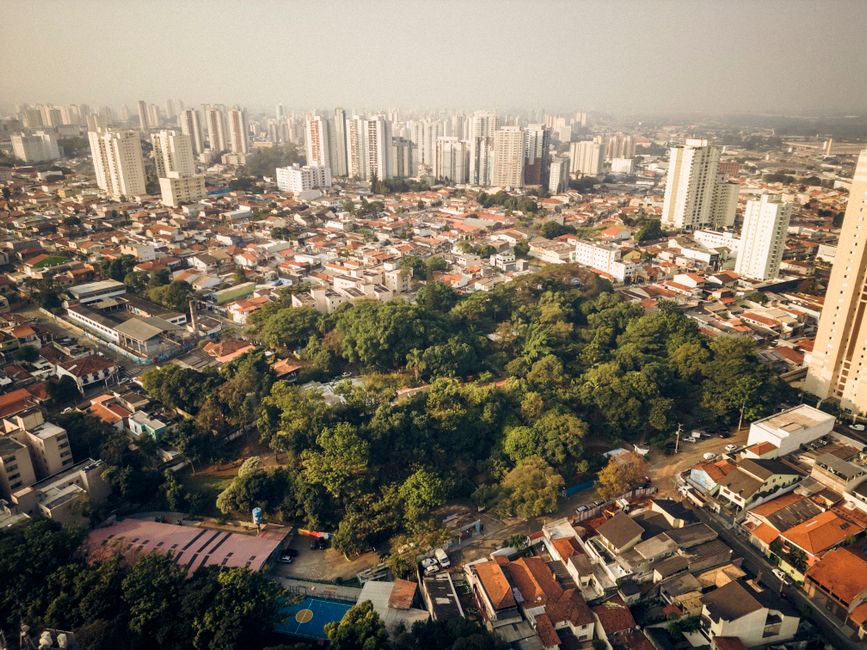
São Paulo's subtropical climate, notorious traffic congestion, and uneven sidewalks present unique mobility challenges for older adults. Yet emerging evidence suggests that tailored strategies—adapted to our city's specific conditions—can meaningfully preserve independence and joint health after 60.
Dr. Patricia Rodrigues, a physiotherapist at Hospital das Clínicas specializing in geriatric mobility, emphasizes that local geography demands proactive adaptation. "Our humidity and heat increase joint stress," she explains. "Early morning or late-afternoon movement is protective." Studies confirm that exercising during cooler hours reduces inflammation and heat-related strain—particularly important for those with arthritis or hypertension.
Ibirapuera Park's varied terrain offers natural advantage. Its gentle slopes and 3-kilometre loop provide what researchers call "variable loading"—different muscle groups engage at different points, preventing repetitive strain. The park's morning walking groups, informal networks that gather near the main entrance around 6:30 a.m., demonstrate community-driven consistency, a factor linked to long-term adherence.
Yet São Paulo's sidewalk inequality—common on Avenida Paulista and throughout Vila Madalena—demands preparation. Evidence-based footwear matters profoundly. A 2024 study in *Physical Therapy Reviews* found that walking shoes with moderate cushioning reduced fall risk by 18% on uneven surfaces, compared to soft soles that provide false stability. Investment in proper shoes (typically R$200–400 from physiotherapy-approved brands) outweighs emergency care costs.
Smaller, consistent doses outperform occasional intensity. Recent research suggests 20–30 minutes of daily movement—whether cycling the Avenida Paulista route on Sundays or walking to the neighbourhood café—provides greater joint protection than weekly gym sessions. São Paulo's thriving healthy café culture (neighborhoods like Pinheiros now host over 40 wellness-focused establishments) naturally supports this rhythm without feeling clinical.
Balance training deserves equal priority to aerobic activity. The city's challenging terrain makes proprioceptive work essential. Simple practices—standing on one leg while waiting for coffee, or gentle heel-to-toe walking in familiar spaces—cost nothing and build resilience against falls, the leading cause of injury-related disability in older Paulistanos.
Finally, hydration strategy matters in our climate. Older adults experience reduced thirst sensation; evidence supports pre-planning water intake rather than relying on thirst signals, particularly during morning or late-afternoon movement.
For personalized guidance on mobility, strength, or joint health, consult a physiotherapist at Hospital das Clínicas or your local unidade básica de saúde.
This article was compiled by AI from the sources linked above and screened before publishing. See our editorial standards.