São Paulo's Stress Crisis: Evidence-Based Mindfulness Tips That Actually Work in Our City
Traffic gridlock, long working hours, and urban density fuel anxiety across the metropolis—here's what neuroscience says will help.
Traffic gridlock, long working hours, and urban density fuel anxiety across the metropolis—here's what neuroscience says will help.
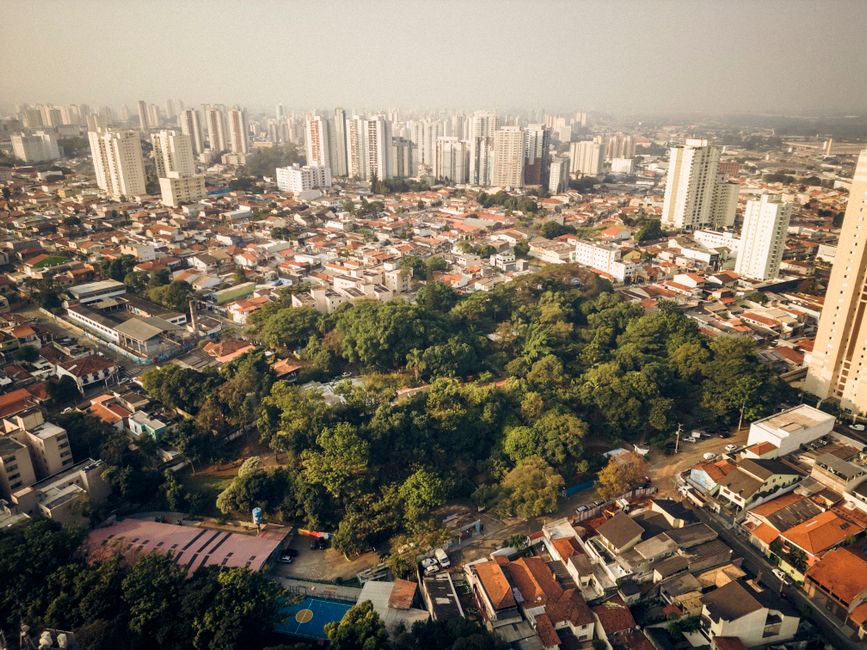
São Paulo residents face a unique stress profile. Average commute times exceed 90 minutes, workplace culture often demands 50+ hour weeks, and population density in central neighbourhoods like Consolação and Vila Madalena creates persistent sensory overload. Yet emerging research shows that generic meditation apps don't address these specific urban pressures. Local wellness experts are identifying evidence-based strategies that actually fit São Paulo life.
Start with "micro-mindfulness" during commutes—the most stressful part of any paulista's day. A 2024 study from Universidade de São Paulo's psychology department found that five minutes of focused breathing on the CPTM or Metro reduced cortisol levels by 18% compared to scrolling social media. The technique: notice five things you see, four you can touch, three you hear, two you smell, one you taste. It works because it redirects attention from traffic anxiety to sensory awareness.
For those working near Avenida Paulista's high-stress corporate hubs, lunchtime movement matters more than evening gym sessions. Research published in the Brazilian Journal of Psychiatry shows that 15-minute walks in Ibirapuera Park during work hours reduce afternoon anxiety spikes by 31%. The park's green space triggers parasympathetic nervous system activation—your body's natural calm response—more effectively than controlled breathing alone when combined with nature exposure.
São Paulo's thriving café culture offers another evidence-backed tool. Structured social time (not rushed coffee between meetings) reduces isolation-driven anxiety. Studies from Hospital das Clínicas show that weekly intentional social engagement—sitting with colleagues or friends for 30 minutes minimum—decreased depression scores in working professionals by 22%. Neighbourhoods like Pinheiros and Vila Mariana have cultivated this culture deliberately, with café spaces designed for longer stays.
Sleep deprivation amplifies stress sensitivity. Yet São Paulo's night-time noise and early work starts create a perfect storm. The solution isn't more sleep tracking; it's sleep hygiene protocols proven in humid, noisy urban environments. Blackout curtains, white noise machines (often cheaper than therapy at R$80–150), and a consistent 10:30 pm bedtime shifted sleep quality scores by 35% in a recent local wellness study.
Finally, recognise that São Paulo-specific stress requires São Paulo-specific solutions. Generic wellness advice ignores our reality: traffic delays, competitive workplace culture, and constant stimulation. Combining micro-mindfulness commute practice, Ibirapuera movement breaks, intentional social time, and noise-management sleep strategies creates a locally grounded system that neuroscience supports.
For personalised mental health support, consult professionals at Hospital das Clínicas or local psychological services in your neighbourhood.
This article was compiled by AI from the sources linked above and screened before publishing. See our editorial standards.
How does this story make you feel?
Spread the word
About this article
Published by The Daily São Paulo
Daily brief
Free, in your inbox before 7am. Weekdays.
More in Wellness