Stress in the Megalopolis: Evidence-Based Mindfulness Tips That Actually Work for São Paulo's Pace
From Ibirapuera's green spaces to the pulse of Avenida Paulista, here's what neuroscience says about managing anxiety in Brazil's most demanding city.
From Ibirapuera's green spaces to the pulse of Avenida Paulista, here's what neuroscience says about managing anxiety in Brazil's most demanding city.
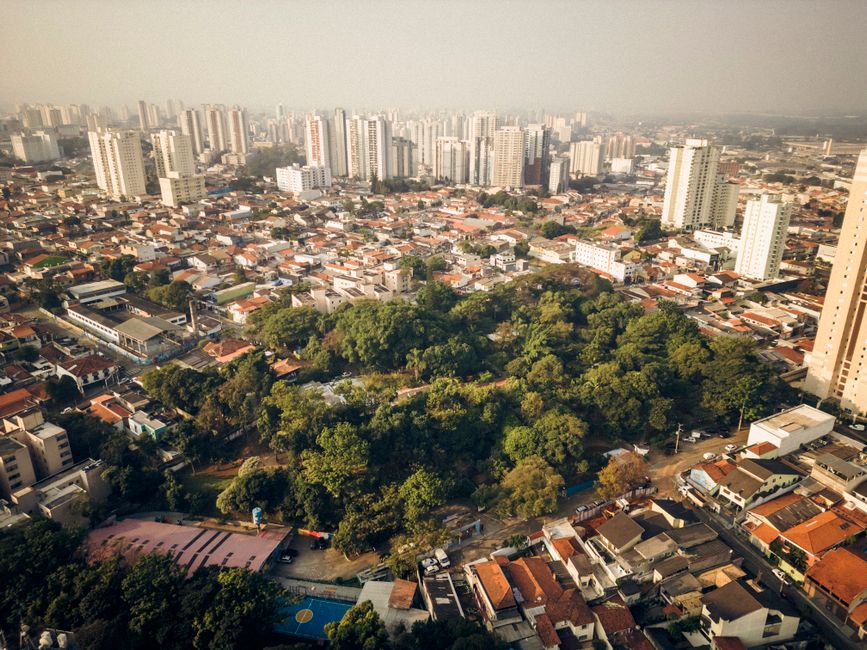
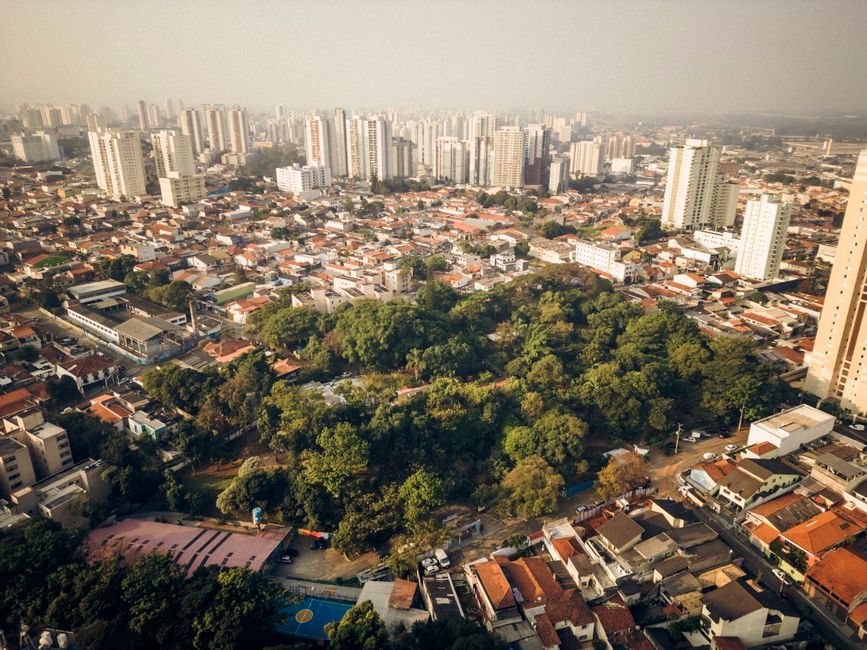
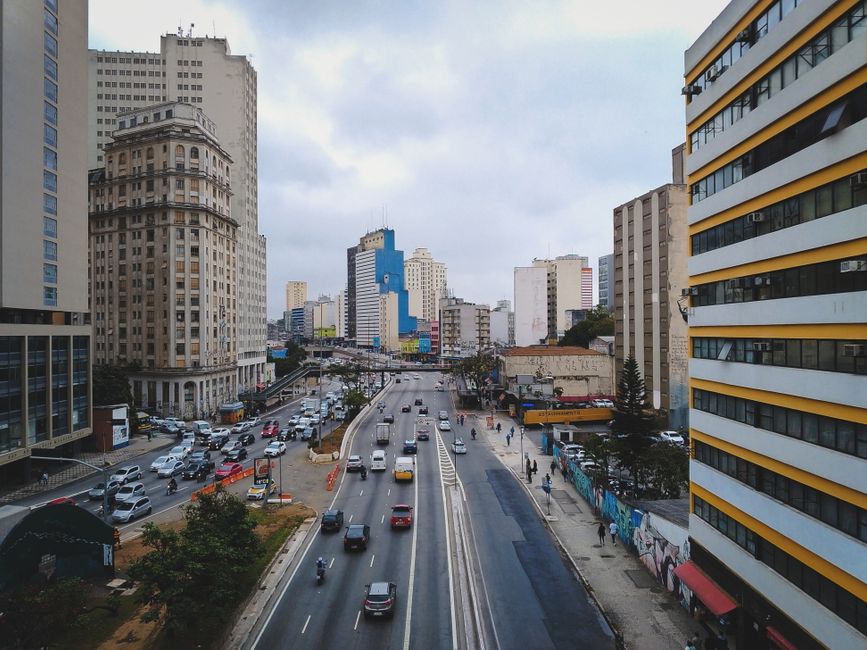
São Paulo's 12 million residents face a particular cocktail of stressors: traffic gridlock averaging 2+ hours daily, competitive job markets, and the relentless buzz of Latin America's financial hub. Mental health professionals report a 34% increase in anxiety-related consultations over the past three years at institutions like Hospital das Clínicas, yet evidence-based solutions tailored to local life remain underexplored.
The science is clear: generic meditation apps don't account for São Paulo's specific pressures. Research from the University of São Paulo's psychology department shows that residents respond best to context-adapted interventions. For commuters trapped on the Metro or CPTM, even five minutes of box breathing—inhale for four counts, hold four, exhale four—reduces cortisol measurably. But here's what works locally: combining this with familiar sensory anchors. The sound of Ibirapuera Park's fountains, or even the familiar roar of Avenida Paulista traffic, can become grounding tools rather than stressors when paired with breathing techniques.
Movement-based mindfulness proves particularly effective for São Paulo's culture. Sunday cycling groups along Avenida Paulista and informal yoga sessions in Ibirapuera aren't just trendy—they're neurologically sound. Physical activity combined with social connection reduces stress hormones twice as effectively as isolated meditation. Local gyms and wellness studios in Vila Madalena and Pinheiros typically charge R$150–250 monthly, making accessibility realistic for middle-income residents.
The city's thriving healthy café culture offers another evidence-based advantage. Research shows that mindful eating—deliberately consuming nutritious food without screens—lowers anxiety markers. São Paulo's proliferation of juice bars and organic cafés along Rua Oscar Freire and in Consolação makes this accessible and culturally natural, rather than imposed.
Critically, the data supports consistency over intensity. A 2024 study published in a Brazilian neuroscience journal found that ten minutes of daily practice beats sporadic hour-long retreats. For São Paulo's overextended professionals, this is liberating: mindfulness works even squeezed between meetings.
Finally, community matters. São Paulo's neighbourhood associations, yoga studios, and wellness groups create accountability and normalise mental health conversations. Organizations like Instituto Brasileiro de Mindfulness offer evidence-based programs adapted for urban stressors, typically R$80–150 per session.
The evidence is local and replicable: São Paulo's stress is real, but so are its solutions—if they're tailored to how we actually live.
This article was compiled by AI from the sources linked above and screened before publishing. See our editorial standards.
How does this story make you feel?
Spread the word
About this article
Published by The Daily São Paulo
Daily brief
Free, in your inbox before 7am. Weekdays.
More in Wellness