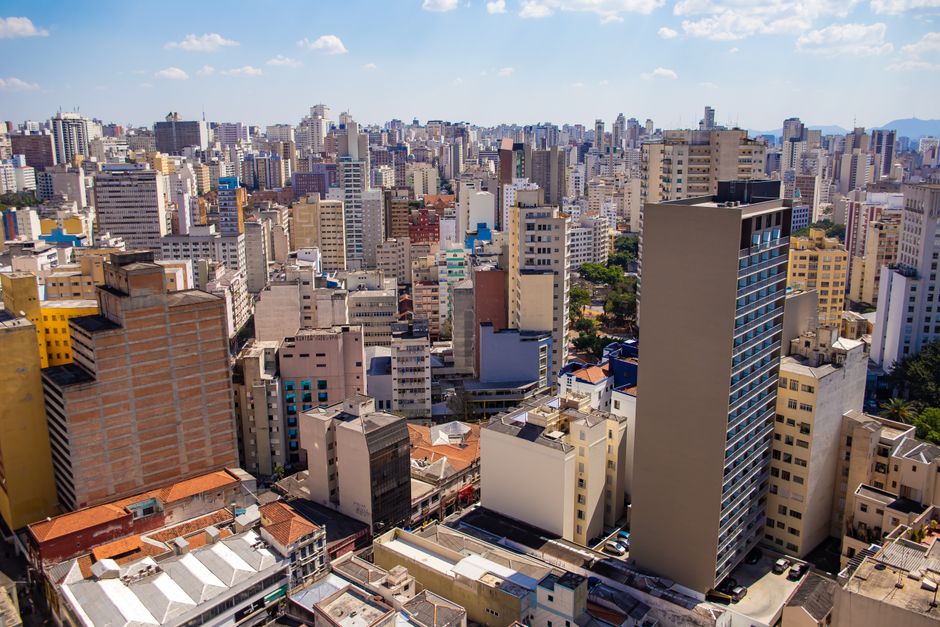
The transformation is unmistakable. Walk down Rua Bandeira de Melo in Pinheiros on any weekday afternoon and you'll see the telltale signs of São Paulo's startup ecosystem entering a new phase: gleaming glass-fronted offices replacing shuttered warehouses, venture capital firms clustering around Vila Madalena, and property developers dusting off plans for mixed-use innovation campuses.
Since early 2025, venture capital deployment in São Paulo's west zone has tripled compared to 2023 levels, according to data from local investment tracking firm Distrito. The shift represents a decisive pivot away from the traditional Faria Lima corridor, where commercial rents now exceed R$150 per square meter—making the neighbourhood economically unviable for early-stage startups and scale-ups alike.
The beneficiaries are already clear. Real estate investment trusts focused on the region have seen valuations climb 18 percent year-to-date. Co-working operators—particularly those with established footprints in Butantã near the University of São Paulo's innovation district—are reporting occupancy rates above 85 percent, well above the city average. Furniture and design firms catering to tech companies have opened three new showrooms along Avenida Pedroso de Moraes since January.
But opportunity is unevenly distributed. Established players with capital reserves—including Natura & Co's venture arm and Itaú's fintech subsidiary—have already secured premium spaces. Smaller operations and founders without institutional backing are competing fiercely for mid-range properties along Rua Dr. Mário Ferraz and around the Shopping Eldorado precinct, where monthly rents have jumped 22 percent in six months.
The momentum carries risks. Long-time residents and smaller commercial tenants in neighbourhoods like Perdizes are watching nervously as property speculation accelerates. Three family-run businesses along Rua Sumidouro have already closed, unable to match landlords' rising expectations. Community groups have begun raising concerns about the pace of change, though municipal authorities argue the innovation district thesis will ultimately generate jobs and tax revenue.
For investors and entrepreneurs who move quickly, the window remains open. Pinheiros and Butantã still offer 30 to 40 percent rental savings compared to Faria Lima, plus proximity to research institutions and existing talent pools. But the consensus among brokers and venture partners is clear: the early-mover advantage in São Paulo's west zone won't last much longer. By 2027, expect prices and competition to normalise—and the next emerging neighbourhood to emerge elsewhere in the metropolitan area.
This article was compiled by AI from the sources linked above and screened before publishing. See our editorial standards.