Zoning Overhaul and Transit Plans Reshape São Paulo's Investment Geography
New municipal regulations around mixed-use development and metro expansion are driving price premiums in formerly overlooked corridors.
New municipal regulations around mixed-use development and metro expansion are driving price premiums in formerly overlooked corridors.
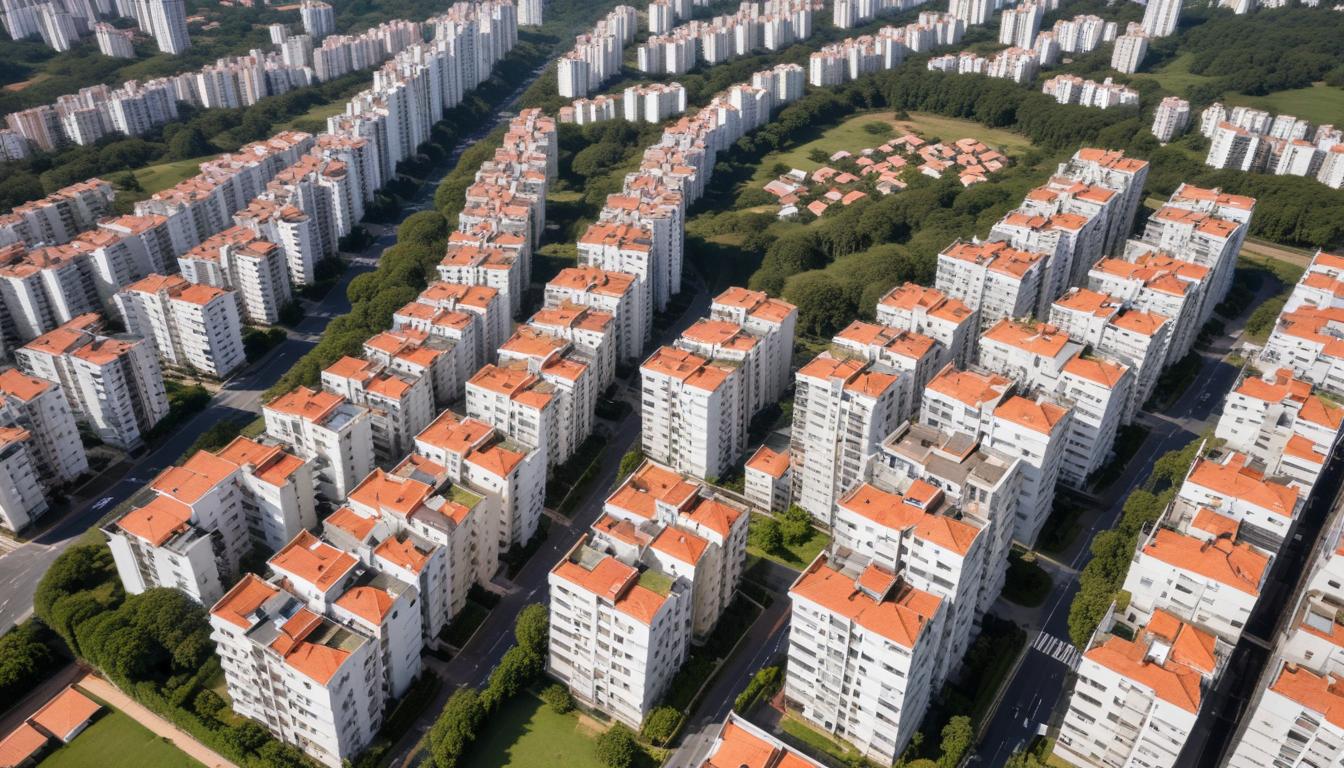
São Paulo's property market is experiencing a decisive shift as the municipal administration's recent zoning amendments and transport infrastructure decisions reshape investor priorities across the metropolitan area. The changes, which expanded permissible building heights and residential-commercial mixing in select districts, have already begun influencing where capital flows—and at what premium.
The most visible impact centres on the Tatuapé-Mooca corridor, where new planning directives allow higher-density mixed-use development along Avenida Salim Farah Maluf. Properties in this zone, historically trading around BRL 8,500 per square metre, have seen asking prices climb 12-15 per cent in the past eight months. Developers cite the planning certainty as transformative, with several major projects in pre-launch phase targeting young professionals and small families seeking proximity to employment hubs without Pinheiros-adjacent price tags.
The picture is more nuanced in Itaim Bibi, where luxury market observers note that restrictive heritage preservation overlays around Rua Bandeira and surrounding avenues have actually strengthened the area's investment appeal. By limiting new supply and protecting the neighbourhood's character, the policies have bolstered prices in the BRL 15,000-plus bracket. Foreign investors, particularly from the United States and Europe, appear less price-sensitive when regulations promise stability and exclusivity.
Vila Madalena presents a contrasting narrative. Although the neighbourhood remains culturally significant—anchored by galleries, independent bookshops, and the landmark Beco do Batman—recent decisions to cap new residential density have cooled speculative heat. Prices have plateaued around BRL 11,000 per square metre, prompting some investors to redirect focus toward adjacent Vila Mariana, where less restrictive zoning invites vertical development.
The forthcoming extension of the Metro Line 6 (Orange) through the eastern suburbs represents perhaps the most consequential policy intervention. Properties within 800 metres of proposed stations in Tatuapé and Carrão are already commanding 8-10 per cent premiums, with local real estate professionals reporting accelerated inquiry volumes. Municipal authorities estimate completion by 2029, but investor appetite is already reshaping land values along the planned route.
Industry analysts caution that policy momentum can shift. Recent discussions around affordable housing mandates for new developments above a certain threshold have introduced complexity for large residential projects, potentially slowing some pipelines. Yet the broader lesson is clear: in São Paulo's maturing market, regulatory decisions now move prices as decisively as location and amenity.
Investors monitoring the next municipal council session—focused on Zona Leste incentive packages—are watching closely for signals about which neighbourhoods will attract next-wave capital.
This article was compiled by AI from the sources linked above and screened before publishing. See our editorial standards.
How does this story make you feel?
Spread the word
About this article
Published by The Daily São Paulo
Daily brief
Free, in your inbox before 7am. Weekdays.
More in Property