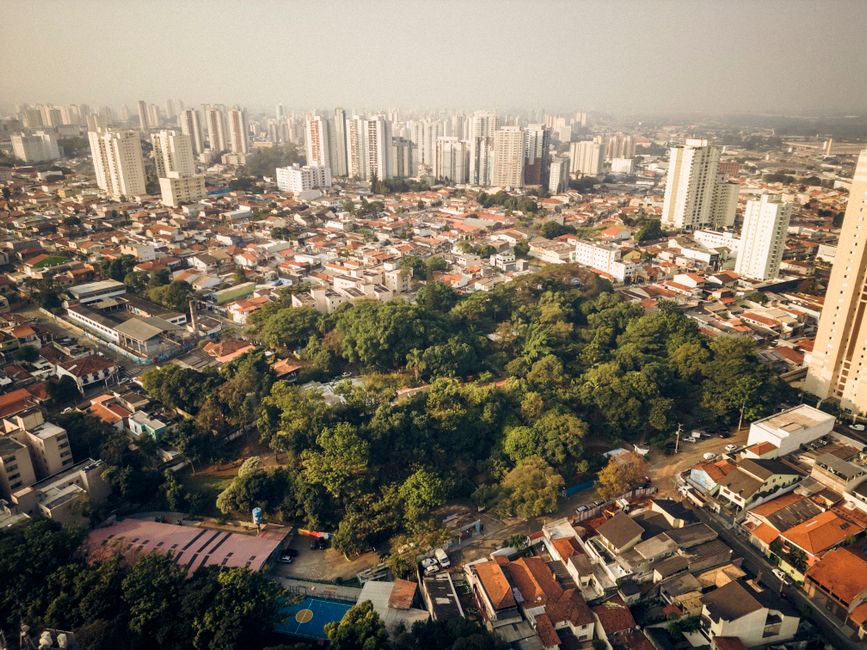
Global wellness trackers show a clear trend: running outdoors has surpassed gym membership as the preferred fitness activity in major cities worldwide. São Paulo is no exception—but our version tells a distinctly local story.
The Ibirapuera Park circuit remains the city's de facto outdoor fitness hub, with an estimated 15,000 daily visitors during peak months according to local running clubs. The 3km and 5km marked routes offer what international wellness data emphasises: accessible, free infrastructure for cardiovascular health. Yet unlike curated jogging destinations in New York's Central Park or London's Hyde Park, Ibirapuera attracts a deliberately mixed crowd—families, elderly walkers, elite runners training for marathons—blurring traditional fitness hierarchies.
Where São Paulo diverges most sharply from global trends is in neighbourhood-level adoption. While international cities have seen gentrification follow the installation of running trails, our outlying areas—Vila Mariana, Pinheiros, even parts of the Zona Leste—have organically developed informal running communities along Avenida Paulista's Sunday cycling lanes and the emerging trail network at Parque da Juventude in Zona Norte. These spaces operate with minimal corporate sponsorship, unlike the branded running clubs dominating American and European cities.
Serra da Cantareira represents perhaps the most significant departure from global patterns. Trail running has exploded internationally over the past five years, but São Paulo's uptake reflects local geography and accessibility rather than wellness marketing. The park's numerous entry points—from Tuiuti to Horto Florestal—serve runners of genuinely varied economic backgrounds, something less common in expensive trail-access countries.
The statistics bear this out: a 2025 survey by the São Paulo Running Association estimated 380,000 regular outdoor runners across the metropolitan area, up 34% since 2021. That growth rate matches global cities, but our demographic spread is notably broader. Price barriers remain lower—a pair of quality running shoes costs roughly the same in São Paulo as globally, but gym alternatives don't cannibalize outdoor running culture the way they do internationally.
What's emerging is a hybrid model. Young professionals in Vila Madalena adopt Strava-tracking and global running communities, while simultaneously maintaining the spontaneous, social character of neighbourhood runs that predates the wellness industry. Hospital das Clinicas' sports medicine department has documented this shift, noting increased consultations for trail-running injuries alongside traditional jogging overuse syndrome.
The takeaway: São Paulo's outdoor fitness landscape isn't importing global trends wholesale. Instead, our runners are building something that honours international best practices while remaining stubbornly, productively local.
This article was compiled by AI from the sources linked above and screened before publishing. See our editorial standards.