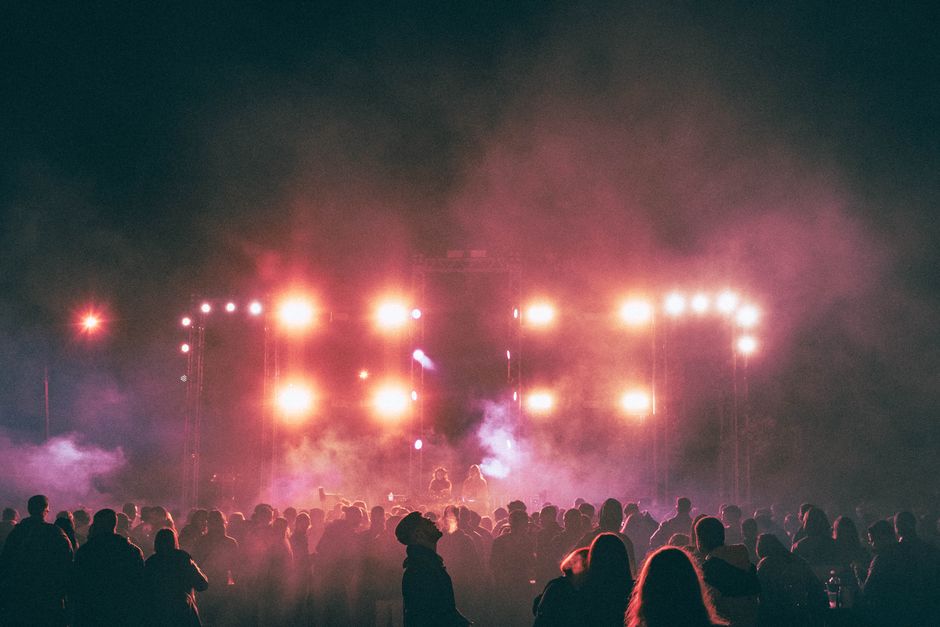
São Paulo's festival landscape bears little resemblance to what it was in the early 1990s. Back then, the city's calendar revolved almost entirely around Carnival—a February explosion centered in the Vila Madalena neighbourhood and the historic Sambadrome on Avenida Marquês de Sapucaí. Today, the metropolis hosts over 200 significant cultural events annually, generating an estimated R$4.2 billion in economic impact and attracting visitors from across the globe.
The transformation began in the late 1980s when underground electronic music collectives started organizing warehouse parties in the Moóca and Brás districts, laying groundwork for what would become Virada Cultural in 2005. That inaugural all-night festival, conceived by the city government, saw 3 million people flooding onto Avenida Paulista for 24 hours of continuous performances across 300 venues. The model proved revolutionary—rather than confining culture to specific seasons or neighborhoods, Virada democratized access by transforming the entire city into a living gallery.
The ripple effects were immediate. Festivals targeting specific communities and genres proliferated. LGBTQ+ Pride, initially a modest march in 1997, became a 3-million-person parade by 2015, anchoring the city's June calendar. The Festa Literária Internacional de Paraty expanded São Paulo's orbit to include the broader Atlantic coast. Sesc, the independent social organization operating cultural centers across the city, began hosting experimental music festivals that drew international curators to neighbourhoods like Pinheiros and Santa Cecília.
What distinguishes São Paulo's evolution from peer cities like Rio or Salvador is the decentralization. While Carnival remains spectacular, contemporary events are deliberately scattered across zones historically excluded from cultural tourism. The Festa da Achiropita in Bom Retiro celebrates Italian-immigrant heritage; the Festa do Peão de Barretos, though technically inland, draws São Paulo's rodeo culture into national conversation; hip-hop festivals in Parelheiros and Capão Redondo have transformed peripheral neighbourhoods into pilgrimage sites for Brazilian rap fans.
Today's calendar reflects the city's demographics and anxieties in real time. Post-pandemic (2022-2025), festivals increasingly emphasize sustainability and accessibility—reduced plastic use, free community zones, and multilingual programming have become standard. The average festival ticket costs R$60-150, though many remain free or by donation.
As São Paulo enters its next phase, the challenge remains balancing explosive growth with authenticity. The 2026 season already includes 47 major events, each competing for attention in a crowded marketplace. What began as grassroots rebellion against cultural centralization has itself become institutionalized—a reminder that even revolutionary moments eventually age into tradition.
This article was compiled by AI from the sources linked above and screened before publishing. See our editorial standards.