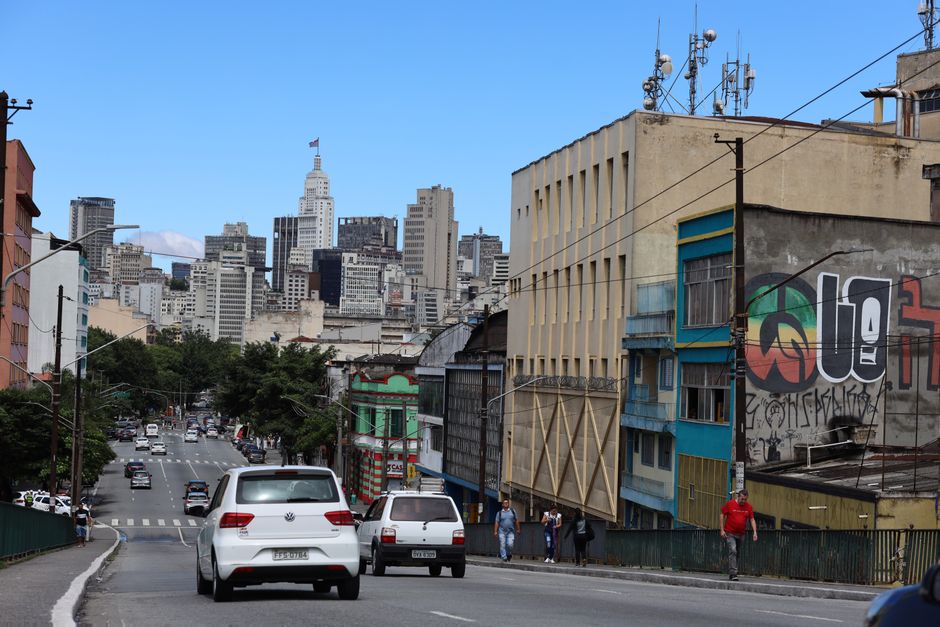
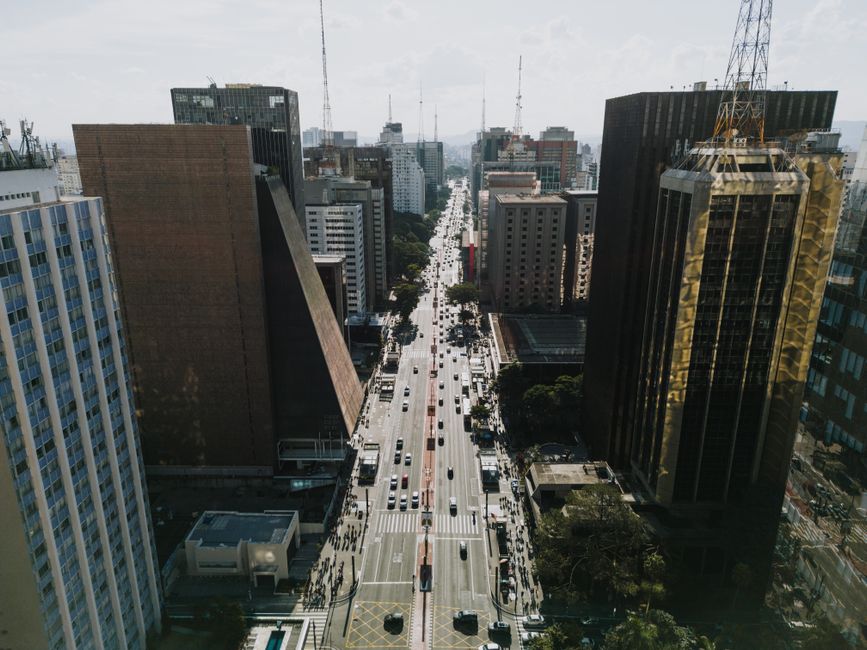
With mid-year evaluations underway, the city's public and private institutions face critical decisions on curriculum reform, infrastructure investment, and the future of remote learning infrastructure.
City council's proposed restructuring of the EMTU could reshape how 8 million daily commuters move through the metropolis, with real consequences for fares, service reliability, and municipal debt.
From City Hall to the Pinheiros River cleanup effort, officials and experts outline competing visions for how Brazil's largest metropolis should tackle its sustainability crisis.
A week of escalating territorial disputes across São Paulo's east side has left five dead and forced authorities to deploy additional units across neighbourhoods from Itaquera to São Miguel Paulista.
New data reveals that nearly one in three households in peripheral districts lack consistent access to adequate nutrition, challenging city planners to rethink community support systems.
New arrivals surge past 2,000 this month alone, straining services in Brás and Bom Retiro as aftershocks from structural collapse trigger fresh waves of displacement.
As affordability reaches a breaking point across the metropolitan area, municipal leaders face three competing visions for development—each carrying vastly different consequences for millions of residents.
While peer cities struggle with aging infrastructure, São Paulo's ambitious subway and bus rapid transit projects are reshaping urban mobility—though affordability remains a pressing challenge.
This week's enforcement operations highlight escalating street crime across the city's south zone, even as authorities report progress against organised criminal groups.
As the state government prepares to wind down its controversial security initiative in communities like Paraisópolis and Complexo do Alemão, residents and local leaders face critical decisions about policing, investment and self-governance.
This week's municipal announcements signal a major recalibration of the controversial revitalization initiative, with new timelines and funding mechanisms now under review.
As the state government announces sweeping reforms in public schools, a look back at the policy decisions that created a system where half of students still lack basic literacy.
Data reveals how Vila Prudente and zona leste community centres deliver affordable vocational training, educational programmes, and measurable community impact across São Paulo's periphery.
São Paulo's council approves major zoning overhaul for Zona Leste neighbourhoods. Mixed-use development rules take effect September 2024, but affordability concerns persist.
City leaders clash over ambitious plans to reshape the Metropolitan Transport Authority's bus network, with transit specialists warning of implementation challenges.