São Paulo's Transit Overhaul Sparks Debate Among Officials and Urban Experts
City leaders clash over ambitious plans to reshape the Metropolitan Transport Authority's bus network, with transit specialists warning of implementation challenges.
City leaders clash over ambitious plans to reshape the Metropolitan Transport Authority's bus network, with transit specialists warning of implementation challenges.
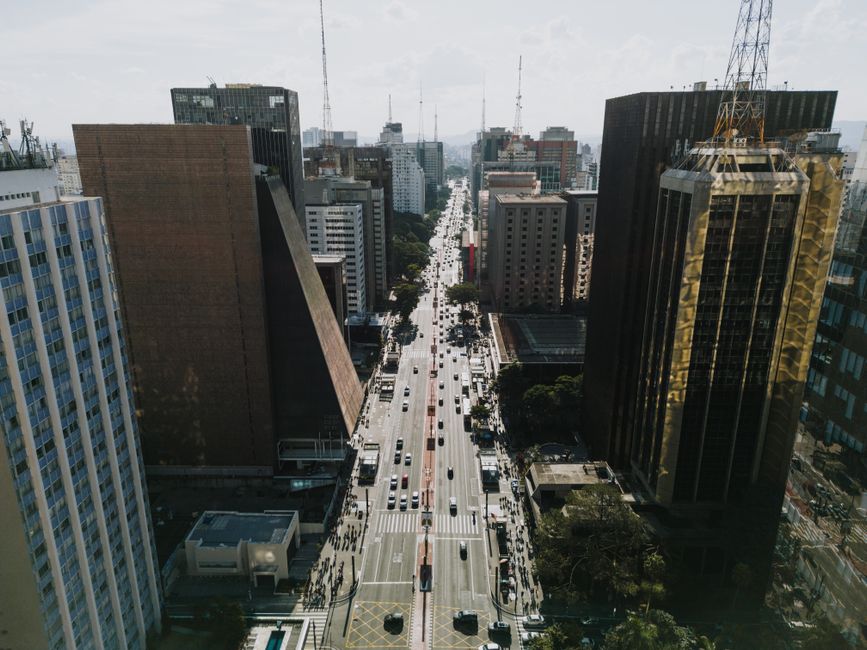
São Paulo's proposed restructuring of its bus rapid transit system has ignited intense discussion among municipal officials, transport experts, and community leaders, revealing deep divisions over how to modernise the city's notoriously congested public transport network.
The Metropolitan Transport Authority announced plans this month to consolidate 14 existing bus corridors serving neighbourhoods from Zona Leste's São Miguel Paulista to Zona Oeste's Pirituba, aiming to reduce operational costs and improve frequency. City administrators at the prefecture's downtown headquarters on Pátio do Colégio have framed the initiative as essential to addressing São Paulo's chronic traffic gridlock, which costs the economy an estimated R$100 billion annually.
However, transport academics from the University of São Paulo's Polytechnic School have raised concerns about the rushed timeline. Urban mobility researcher Dr. Marcos Feijão, speaking at a recent forum in Vila Mariana, emphasised that similar restructuring projects in other major cities typically require 18-24 months of pilot testing before full implementation. São Paulo's administration has allocated only six months for the transition.
Community representatives from outer neighbourhoods have expressed particular anxiety. Leaders from the Associação de Moradores de Itaquera, a residential association representing over 50,000 households in the eastern reaches of the city, argued that reduced bus routes could isolate vulnerable populations already struggling with transport costs that now consume roughly 18 per cent of average household budgets in outer zones.
The debate intensified following a public hearing held at the Biblioteca Mario de Andrade in the city centre last week. Municipal secretariat officials defended the proposal by pointing to successful corridor integrations in Córrego do Tietê and Vila Madalena, where consolidation reportedly improved average wait times by 12 minutes over two years.
Transport advocacy group Mobilidade Urbana São Paulo countered that these successes were not universally replicated, particularly in lower-income zones where infrastructure gaps complicated implementation. The organisation's latest report, released in May, documented persistent service disparities between central neighbourhoods and peripheral regions.
The prefecture has scheduled additional consultations at community centres across Zona Leste and Zona Sul throughout July, signalling willingness to adjust timelines. Officials indicated decisions on final approval would come by early August, though several city council members have already signalled they may request further extensions for public feedback.
For millions of commuters who depend on São Paulo's 14,000 buses daily, the outcome carries real consequences—affecting not just commute times but fundamental access to jobs, education, and services across this sprawling metropolis of nearly 12 million people.
This article was compiled by AI from the sources linked above and screened before publishing. See our editorial standards.
How does this story make you feel?
Spread the word
About this article
Published by The Daily São Paulo
Daily brief
Free, in your inbox before 7am. Weekdays.
More in News