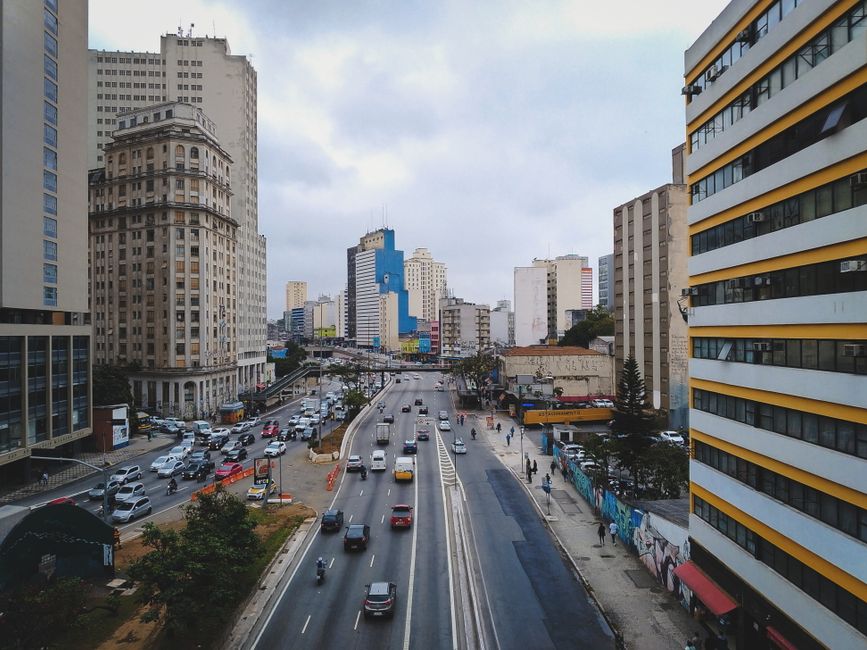
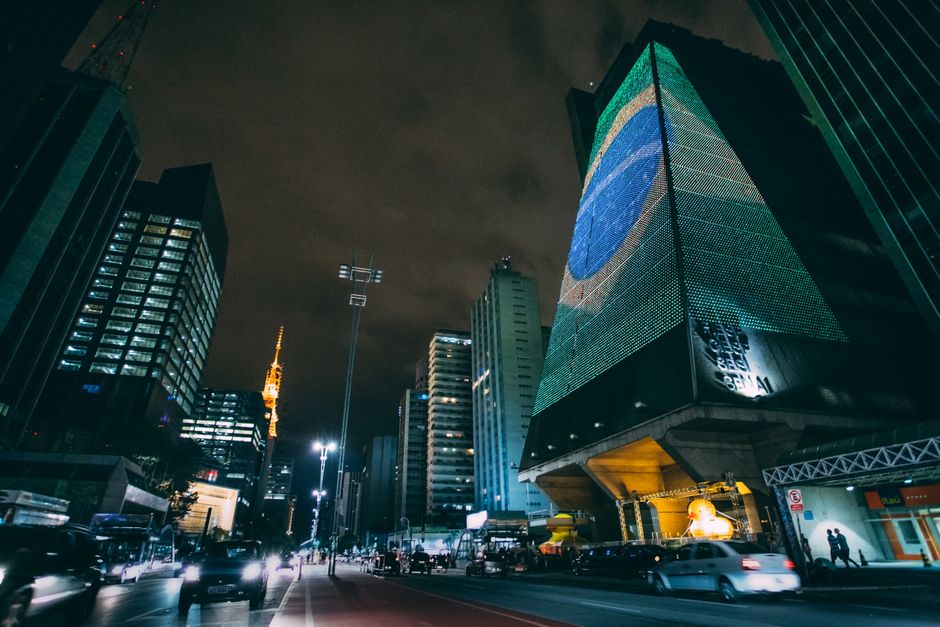
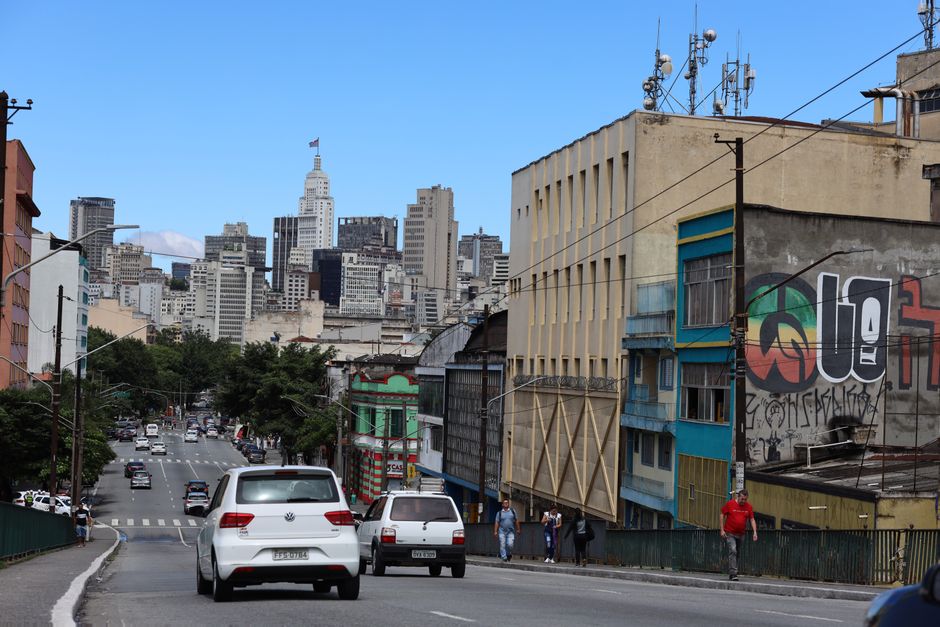
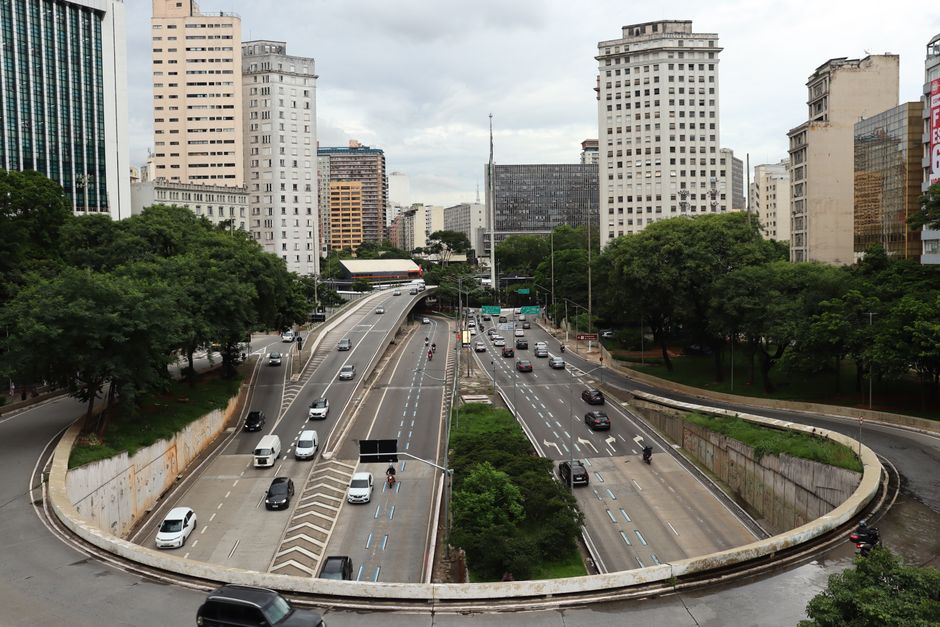
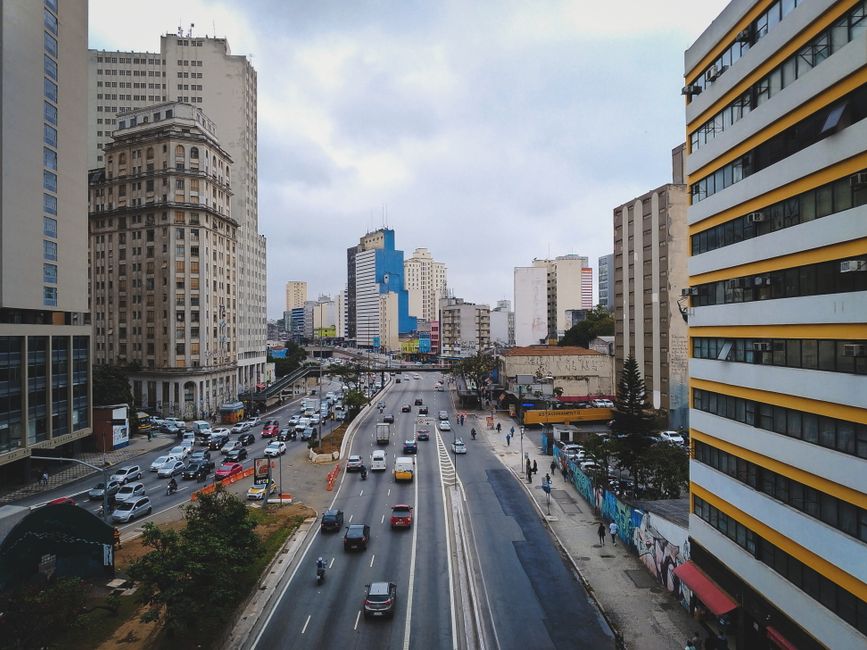
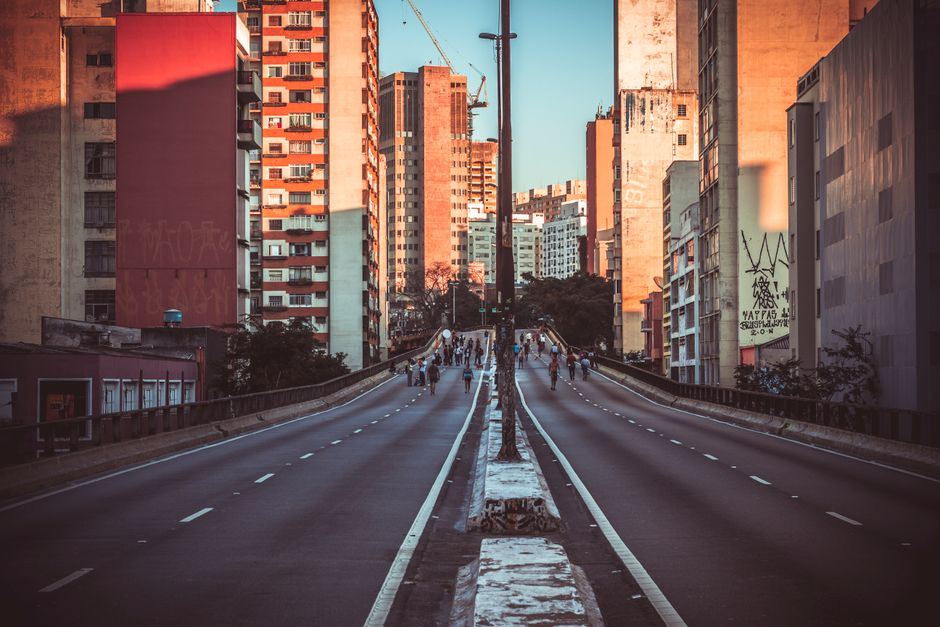
While cities from Berlin to Toronto struggle with newcomer absorption, Brazil's largest metropolis deploys targeted policies and community networks that experts say offer a roadmap for an era of unprecedented displacement.
As the city grapples with affordability and sprawl, experts say São Paulo is falling behind international competitors in tackling urban housing shortages.
Decades of industrial pollution, water scarcity and urban sprawl transformed São Paulo into a laboratory for green innovation—but only after the city hit rock bottom.
While the city's elite institutions adopt AI-powered learning faster than London and Toronto, public schools in peripheral neighbourhoods struggle with outdated infrastructure.
New census data reveals that foreign-born residents now represent 8.2% of São Paulo's population, driving significant changes in housing, employment, and cultural infrastructure across the metropolis.
New municipal data shows the average rent in Vila Mariana has tripled since 2020, while peripheral zones struggle with infrastructure investment that hasn't kept pace with population growth.
New municipal data exposes the scale of the challenge facing Brazil's largest metropolis as planners grapple with affordability, density, and infrastructure.
As violence surges across the capital's periphery, top brass break silence on resource shortages, gang activity and the limits of current emergency response systems.
Major sustainability announcements reshape the city's climate strategy as a pioneering transport facility opens and leading companies pledge emissions cuts.
As the Associação Vila Madalena debates whether to relocate or expand its 40-year-old hub, neighbourhood groups must decide what kind of cultural space their rapidly changing district needs.
University rectors and municipal education officials warn that outdated teaching methods are leaving low-income students further behind in the race for skilled jobs.
As the city grapples with housing, employment and integration challenges, community leaders and officials face critical decisions that will shape the future of one of Brazil's largest migrant populations.