São Paulo's Metro Expansion Reaches Zona Leste: Why This Matters for 2 Million Commuters
As Line 20 extension nears completion, residents in Itaquera, Guaianases and beyond are counting the minutes saved and the neighbourhoods transformed.
As Line 20 extension nears completion, residents in Itaquera, Guaianases and beyond are counting the minutes saved and the neighbourhoods transformed.
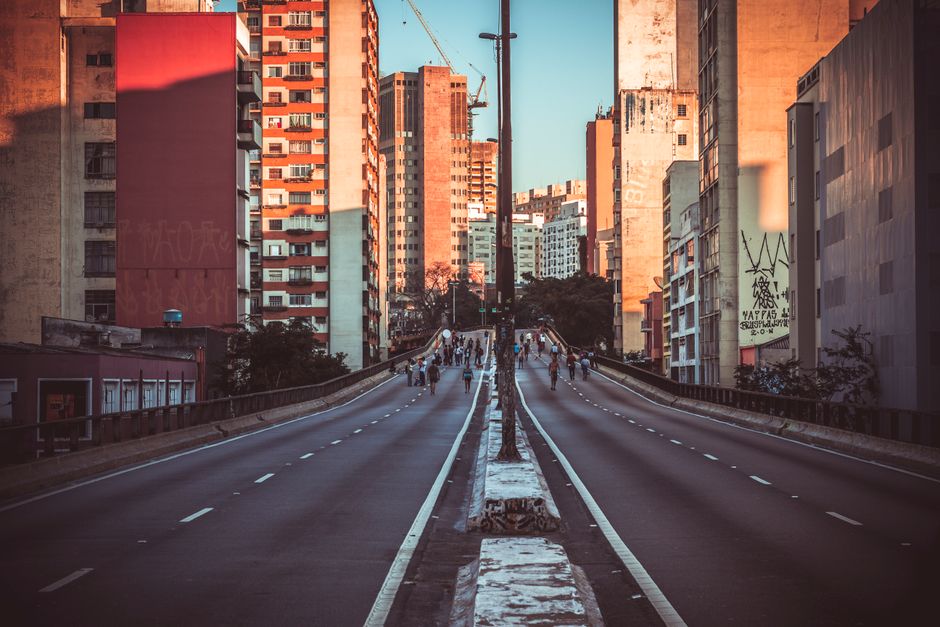
For nearly a decade, Sônia da Silva has spent three hours daily commuting from her home in Itaquera to her job cleaning offices in the Paulista Avenue corridor. The 54-year-old wakes at 5 a.m., catches two buses, and arrives home exhausted by 7 p.m. When the Metro Line 20 extension officially opens next month, that journey shrinks to 90 minutes—time she'll reclaim for her family, rest, and the life congestion has stolen.
Silva represents millions across São Paulo's eastern zones who stand to benefit from the city's most ambitious recent infrastructure push. The R$4.5 billion Line 20 expansion, stretching from Corinthians-Itaquera station through Guaianases to its terminus at Lapa, addresses a decades-old transport inequality that has confined eastern residents to crowded bus networks.
The numbers tell the story: commuters from neighbourhoods like Itaquera and Guaianases currently face average travel times exceeding 2.5 hours to reach employment hubs in the southwest. The metro extension promises to cut this nearly in half, potentially unlocking economic opportunity for a region where average household income sits 40 percent below the city average. The Metropolitan Transport Company estimates 1.3 million additional metro trips weekly once the line reaches full capacity.
But infrastructure projects carry consequences beyond transit maps. Real estate speculation is already reshaping the corridor. Property prices near planned stations have jumped 25-30 percent since the project's acceleration, threatening displacement for long-time residents. Community organizations like the Centro de Estudos de Cultura Contemporânea have documented concerns about gentrification in traditionally working-class areas like Itaquera and Artur Alvim.
Local merchants on Avenida Governador Carvalho Pinto anticipate transformation—retail foot traffic should surge once construction barriers vanish. Yet small shopkeepers worry about rising rents as property owners capitalize on improved accessibility.
The broader city strategy is clear: rebalancing São Paulo's sprawling metropolitan footprint by anchoring investment in underserved eastern zones. This represents a deliberate pivot from decades of westward concentration that favoured Zona Oeste and Zona Sul.
For Silva and millions like her, the Line 20 extension is personal. It's not merely about trains arriving on schedule—it's about reclaiming hours of their lives, accessing better jobs, and gaining dignity in a city that, for too long, has made them work harder to reach opportunity. As the June opening approaches, eastern São Paulo watches carefully: whether this infrastructure finally delivers on the promise of a more equitable metropolis remains the city's defining question.
This article was compiled by AI from the sources linked above and screened before publishing. See our editorial standards.
How does this story make you feel?
Spread the word
About this article
Published by The Daily São Paulo
Daily brief
Free, in your inbox before 7am. Weekdays.
More in News