São Paulo's Housing Crisis by the Numbers: What the Data Reveals About Our Urban Future
New municipal housing figures expose the widening gap between demand and supply across the city's most vulnerable neighbourhoods.
New municipal housing figures expose the widening gap between demand and supply across the city's most vulnerable neighbourhoods.
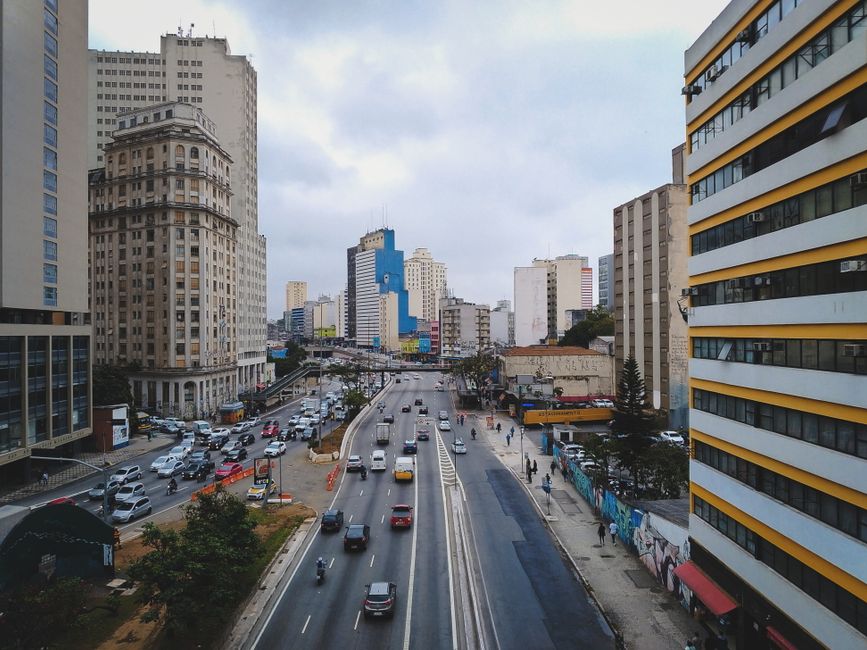
São Paulo's housing shortage is no longer a question of perception—the numbers tell an undeniable story. According to data released this month by the Municipal Housing Secretariat (Secretaria Municipal de Habitação), the city faces a deficit of approximately 372,000 housing units, a figure that has remained stubbornly resistant to policy interventions over the past three years.
The statistics paint a stark picture of inequality. In the eastern zones—Cidade Tiradentes, São Mateus, and Itaim Paulista—housing density reaches 18 residents per hectare in informal settlements, compared to 8 per hectare in wealthier southern neighbourhoods like Morumbi and Brooklin. Real estate prices tell an equally sobering tale: a square metre in Vila Madalena now averages R$12,400, while in Grajaú it sits at R$3,200—a nearly four-fold disparity that effectively locks out working families from formal housing markets.
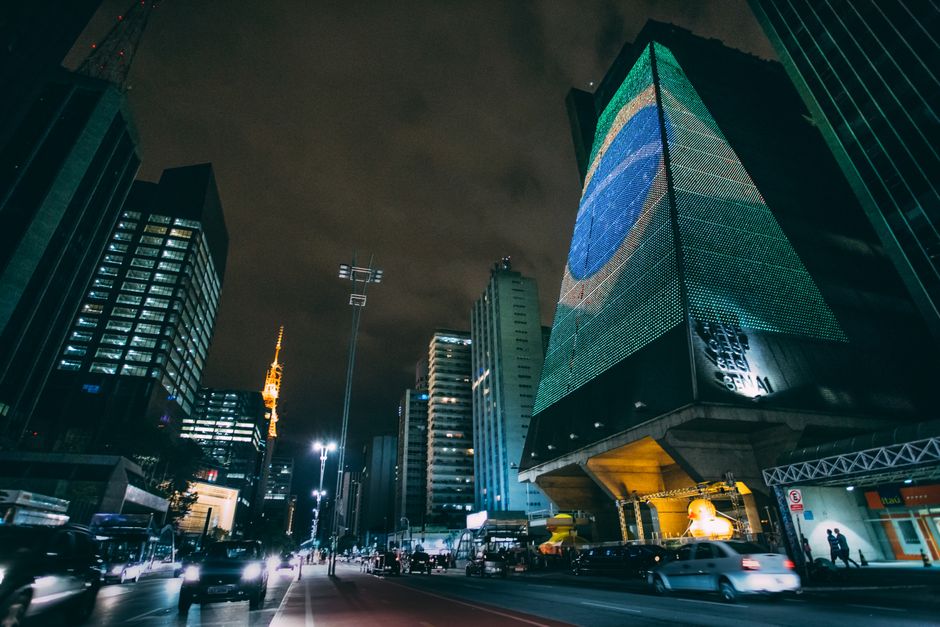
The municipal data reveals that 89% of new residential construction over the past two years has occurred within the Pinheiros and Tamanduateí river basins—concentrated along Avenida Paulista and the Vila Mariana corridor—regions that already command premium prices. Meanwhile, the outer districts that desperately need affordable housing saw just 11% of new developments, primarily in the form of government-subsidised projects.
Rental markets have grown even more precarious. Average monthly rent for a one-bedroom apartment in the Centro has climbed to R$2,100, consuming 47% of median household income for families earning less than R$5,000 monthly. The city's own Habitasampa platform currently lists 8,342 families waiting for social housing—a queue that grew 23% in the past year alone.
Urban planners point to zoning restrictions as a key culprit. Current regulations limit building heights in 67% of São Paulo's residential zones to between four and eight storeys, constraining vertical development precisely where land values are highest and housing need is greatest. The prefeitura's proposed updates to the Master Plan (Plano Diretor) would relax these restrictions in 34 targeted zones, potentially freeing up 2.1 million square metres of developable land—though implementation remains uncertain.
Water infrastructure presents another numerical challenge: 156,000 households in peripheral neighbourhoods lack adequate sewerage connections, driving informal settlement growth in ecologically sensitive areas around the Guarapiranga and Billings watersheds.
As São Paulo's population continues its incremental growth toward 12.3 million residents, these figures suggest that without dramatic policy shifts—increased zoning flexibility, accelerated social housing construction, and meaningful rent controls—the housing crisis will deepen further. The numbers don't lie. Neither do the neighbourhoods where families still wait.
This article was compiled by AI from the sources linked above and screened before publishing. See our editorial standards.
How does this story make you feel?
Spread the word
About this article
Published by The Daily São Paulo
Daily brief
Free, in your inbox before 7am. Weekdays.
More in News