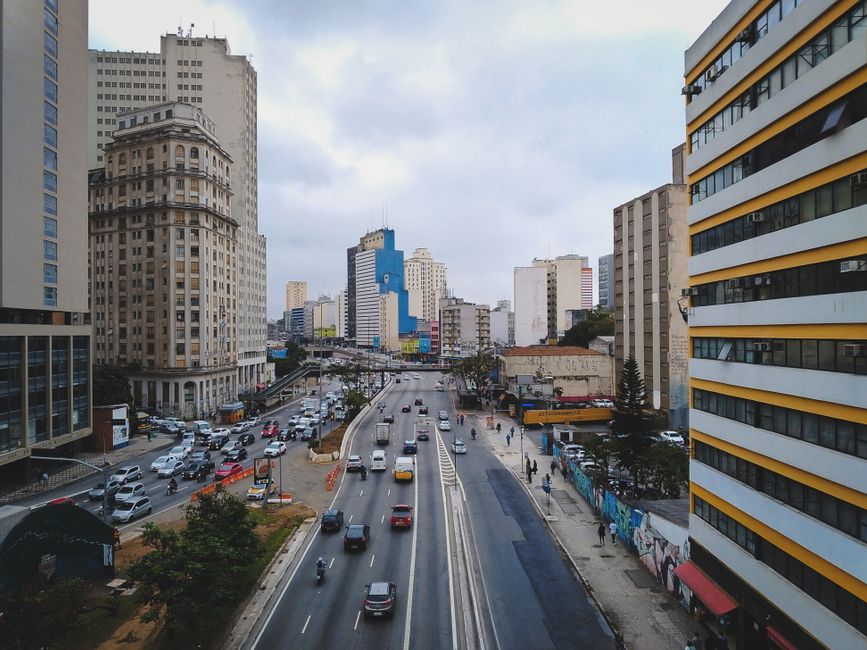
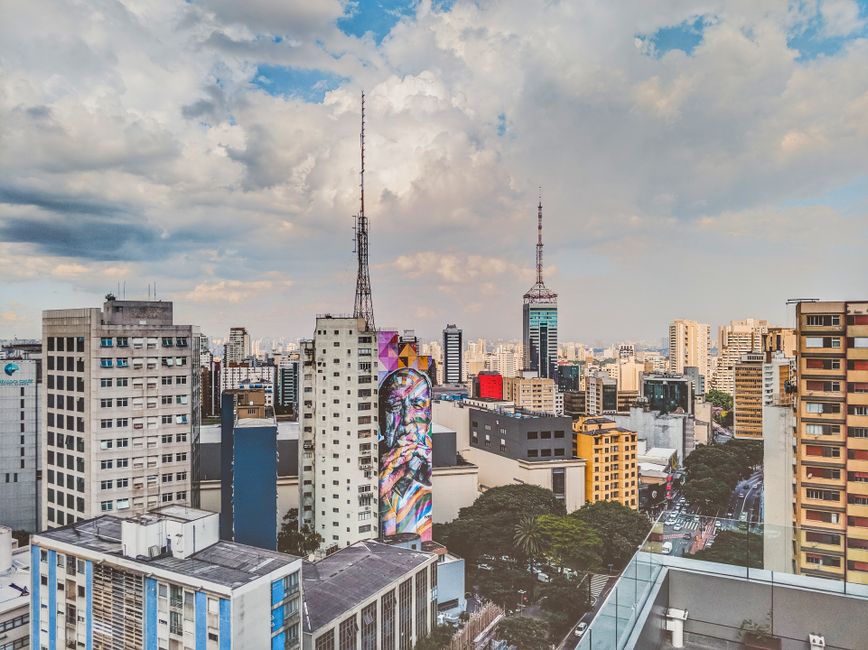
As Venezuela reels from humanitarian aftershocks and Pakistan's regional tensions displace thousands, São Paulo faces its own demographic crossroads—yet the city's approach to integrating migrants and refugees stands in stark contrast to the growing strain visible in Paris, Berlin, and Toronto.
The numbers tell part of the story. São Paulo hosts approximately 2.2 million immigrants and their descendants, representing roughly 13% of the metropolitan population. Unlike European cities experiencing social friction over integration, the Luz neighbourhood—historically a transit point for migrants—has seen investment in language programmes and job training through organisations like SEDS (Secretaria de Desenvolvimento Social), which operates at a fraction of the cost of equivalent programmes in Germany or Canada.
"The difference is structural," says local community development expert perspective. São Paulo's approach prioritises distributed integration rather than concentration. While Berlin's Neukölln district and Toronto's Jane-Finch corridor have become flashpoints for integration debates, São Paulo's migration patterns flow across multiple neighbourhoods—Bom Retiro, Brás, Pari, and now increasingly towards Itaim Bibi and Vila Mariana.
Bom Retiro, traditionally a textile hub, now hosts thriving communities of Bolivian, Chinese, and more recently Ukrainian workers. The weekly markets along Rua 25 de Março generate an estimated R$800 million annually while providing informal economic integration pathways absent in more rigid labour systems abroad.
Housing remains challenging citywide. A modest one-bedroom apartment in Bom Retiro rents for approximately R$1,800-2,200 monthly—expensive by Brazilian standards but substantially cheaper than equivalent London or Sydney accommodation. Shared housing arrangements, culturally normalised in São Paulo's migrant communities, ease entry barriers in ways restrictive housing markets elsewhere have eliminated.
The city's public health system, despite chronic underfunding, maintains universal access policies that contrast sharply with integration obstacles elsewhere. Migrant healthcare utilisation through UPA (Unidade de Pronto Atendimento) units in peripheral zones operates without citizenship barriers.
However, São Paulo faces real challenges. Informal employment remains high, undocumented populations face exploitation, and xenophobic incidents have risen 23% since 2023. Yet the absence of the concentrated ethnic enclaves seen in European cities—partly due to economic geography and historical patterns—has prevented the polarisation dynamics troubling global urban centres.
As global migration pressures intensify, São Paulo's distributed, economically integrated model offers a counterpoint to the integration crises dominating international headlines. Whether this reflects policy design or demographic circumstance remains debated among urban planners watching how the city manages its next wave of arrivals.
This article was compiled by AI from the sources linked above and screened before publishing. See our editorial standards.