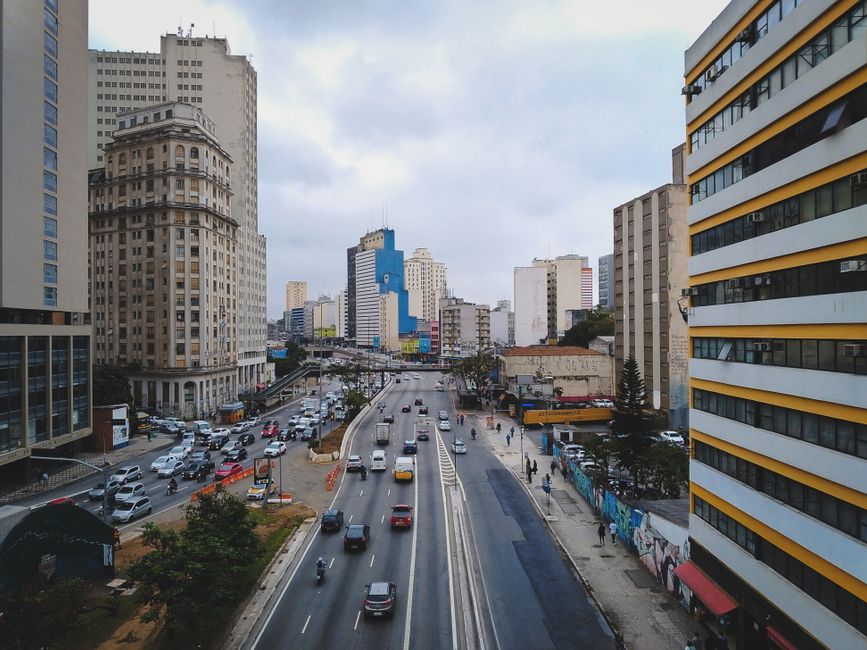
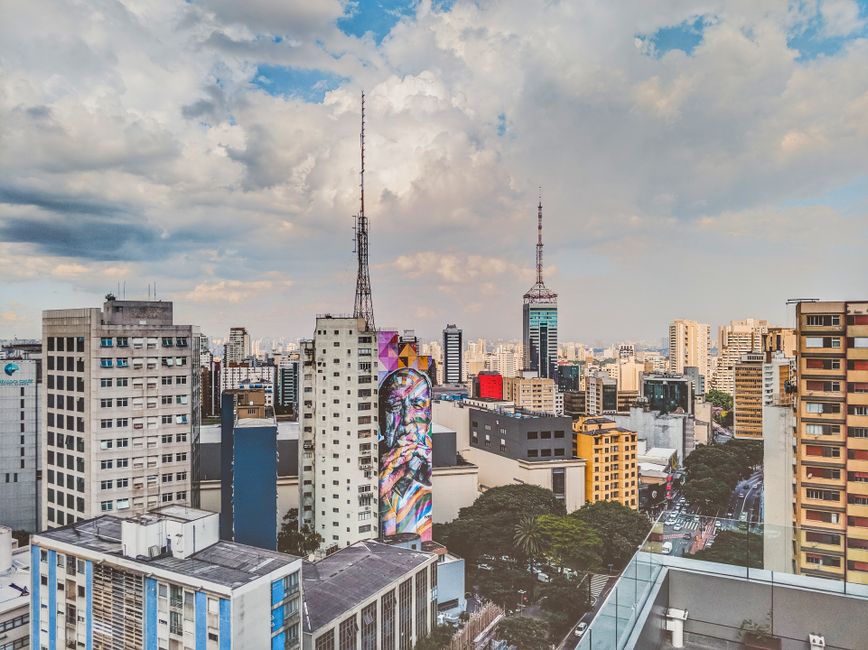
São Paulo's current fiscal squeeze did not arrive overnight. The municipality's financial troubles—now consuming every discussion in the Câmara Municipal—trace back to a series of interconnected decisions and external shocks that compounded over the past two years, leaving administrators scrambling to balance a budget that has grown increasingly fragile.
The foundation of today's crisis was laid when pandemic-related revenue shortfalls coincided with expanded commitments to the public transport system. The Companhia do Metropolitano, already struggling to maintain aging infrastructure on the red and green lines, faced mounting maintenance costs while fare revenue stagnated. Meanwhile, the municipality's commitment to expand bus rapid transit corridors in the periphery—particularly in Zona Leste neighborhoods like Itaim Paulista and São Miguel Paulista—stretched resources thin without corresponding increases to the IPTU base or state transfers.
The 2024-2025 fiscal year brought additional pressure. A severe drought affecting São Paulo's reservoir levels forced emergency spending on alternative water sources, while simultaneously reducing hydroelectric revenue that municipalities typically rely upon. Property tax collection, traditionally representing roughly 8-10 percent of municipal revenue, fell short of projections by nearly 12 percent as economic uncertainty prompted businesses to defer investments and defer payments.
Education budgets absorbed much of the strain. With over 1.2 million students enrolled in the municipal school system and teacher salaries consuming the largest operational expense, any shortfall cascades quickly. By mid-2025, the municipality had deferred maintenance at dozens of schools across neighborhoods from Tucuruvi to Vila Mariana, while discussions about restructuring benefits for municipal employees—a politically explosive topic—began circulating privately among secretariat officials.
The breaking point arrived earlier this year when an external audit revealed that carry-forward accounting practices from previous administrations had masked the true deficit. Suddenly, what appeared to be a manageable 3 percent shortfall became a nearly 8 percent structural imbalance.
Today, City Hall faces three paths forward, none politically costless: deeper cuts to services, significant fare increases on transit systems that millions depend upon, or a combination of both coupled with emergency state assistance. The debate now consuming council chambers and neighborhood associations reflects a fundamental question about who bears the weight of São Paulo's fiscal correction. That question will define municipal governance through the remainder of 2026 and likely beyond.
This article was compiled by AI from the sources linked above and screened before publishing. See our editorial standards.