São Paulo's transport infrastructure has reached a critical juncture. With the Metropolitan Company of São Paulo (CMSP) managing 107 stations across six metro lines and serving 7.5 million daily commuters, the numbers tell a story of ambition constrained by capacity limits and funding pressures that define Brazil's largest metropolitan region.
The figures are staggering. The São Paulo State government has allocated approximately R$120 billion toward transport modernisation between 2023 and 2030, according to recent budget documentation. Yet the metro system operates at 98% capacity during peak hours on the Red Line (Linha Vermelha) alone—a bottleneck that compounds congestion across the entire network. The Yellow Line (Linha Amarela), which connects Luz station in the centre to Córrego Bom Jesus in the southeast, carries 432,000 passengers daily, despite being one of the system's newest corridors, opened only in 2018.
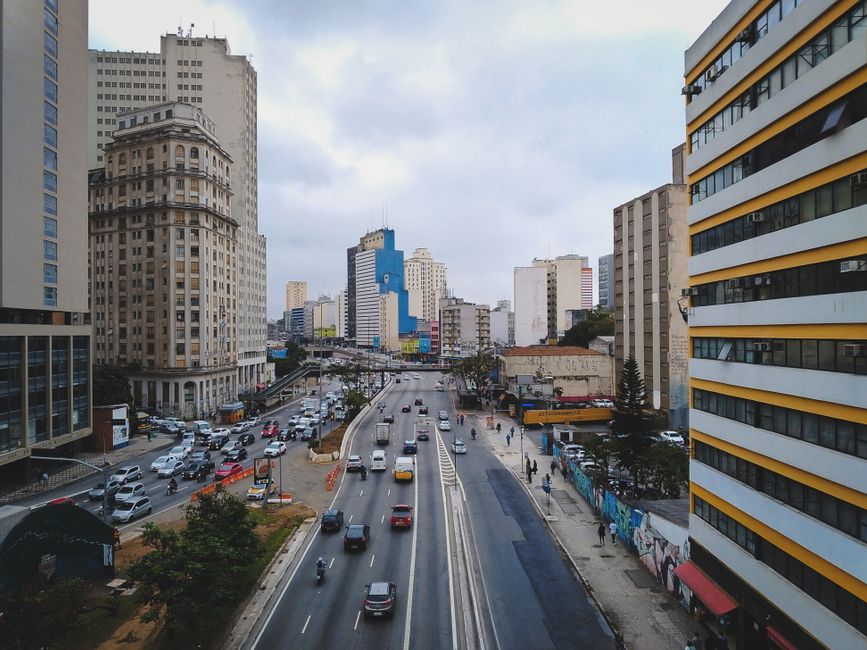
Bus rapid transit (BRT) corridors present a more complex picture. The Corredor de Ônibus Expresso on Avenida 23 de Maio, one of the city's primary arteries connecting the Zona Sul to the centre, processes 78,000 passengers per weekday, yet average journey times have increased by 12 minutes over the past three years—a symptom of deferred maintenance and competing traffic demands.
Investment gaps remain profound. The planned expansion of Line 6 (Laranja) from São Judas to the suburb of Brasilândia carries an estimated price tag of R$18 billion, but funding commitments cover only 64% of required capital. This represents a pattern: of 47 planned transport expansion projects identified in the latest São Paulo Metropolitan Development Plan, funding is fully secured for just 19.
Real estate prices tell another story. Properties within 500 metres of existing metro stations command a 23% premium compared to those beyond walking distance, according to Fundação Instituto de Pesquisas Econômicas (FIPE) analysis. This creates acute pressure for line extensions into underserved peripheries like Zona Leste, where population density has grown 8% since 2020, but transit infrastructure has expanded by less than 2%.
The cost-per-kilometre metric reveals infrastructure efficiency challenges. Recent metro construction has averaged R$420 million per kilometre—substantially higher than comparable projects in Rio de Janeiro (R$310 million) or even comparable Asian cities. Labour costs, environmental compliance, and the complexity of tunnelling beneath a densely built urban landscape drive these figures.
As São Paulo faces a projected 40% increase in daily commutes by 2035, these numbers underscore an uncomfortable truth: the city's transport ambitions are outpacing its capacity to finance and deliver them.
This article was compiled by AI from the sources linked above and screened before publishing. See our editorial standards.