São Paulo's Housing Crisis Mirrors Global Struggles, But City Charts Its Own Path
As mega-cities worldwide grapple with affordability and sprawl, São Paulo's mixed approach to densification and favela upgrading offers lessons—and cautionary tales.
As mega-cities worldwide grapple with affordability and sprawl, São Paulo's mixed approach to densification and favela upgrading offers lessons—and cautionary tales.
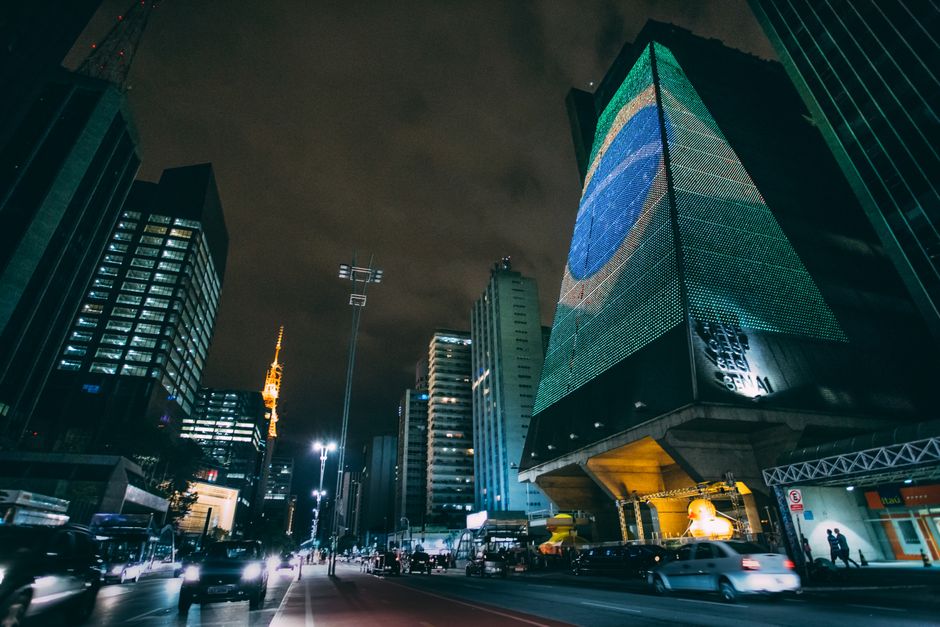
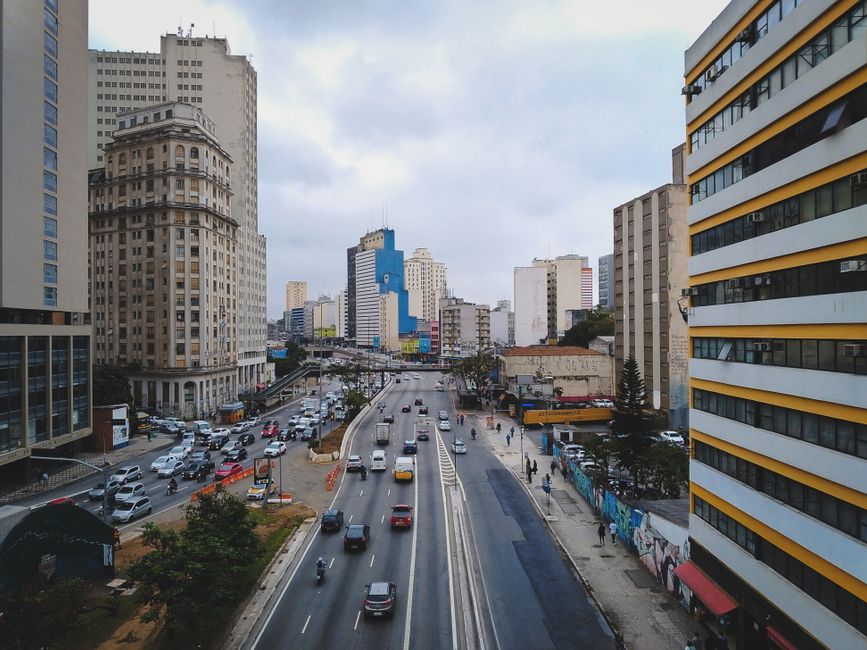
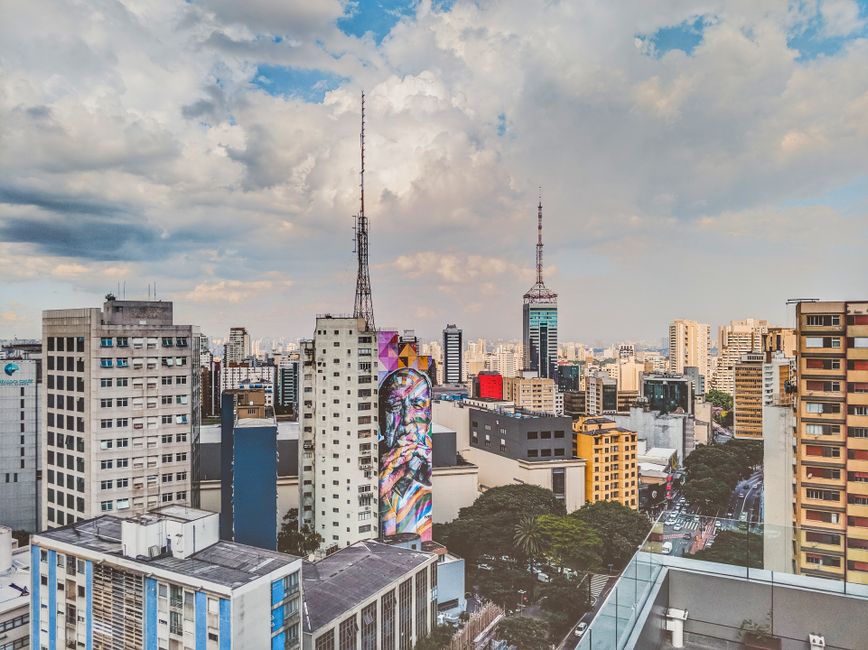
São Paulo's housing challenge reads like a global textbook case. A metropolitan area of 22 million people sprawls across 7,946 square kilometres, with median apartment prices in neighbourhoods like Vila Mariana and Pinheiros reaching R$12,000 per square metre—pricing out middle-class families and forcing workers into ever-distant peripheries.
Yet the city's response differs markedly from comparable global metros. While London pursues aggressive densification around transport hubs and Singapore implements top-down public housing mandates, São Paulo has adopted a more fragmented strategy: vertical development in select zones like Faria Lima, heritage preservation battles in Vila Madalena, and ongoing attempts to formalize favelas rather than displace them.
The Mooca neighbourhood exemplifies this tension. Once industrial, it has seen rapid vertical densification over the past decade, with mixed-use towers replacing warehouses. Apartment prices have climbed 45 per cent in five years. Yet unlike Barcelona's measured approach to gentrification—which includes mandatory affordable units in new developments—São Paulo has no citywide inclusionary zoning requirement. The state government's recent Real Estate Board partnership aims to increase supply, but affordability safeguards remain minimal.
Paraisópolis and Rocinha-adjacent communities tell a different story. São Paulo's favela upgrading programs, managed through organisations like São Paulo's Housing Secretariat, have upgraded infrastructure in ways that Rio de Janeiro's police-heavy pacification model did not. The Paraisópolis Growth Acceleration Program has invested in sanitation and transport connectivity since 2019. Yet gentrification pressures loom—property values in adjacent neighbourhoods like Morumbi have surged, raising fears of displacement.
Internationally, São Paulo's approach sits between models. It lacks Singapore's interventionist public housing system, which houses 80 per cent of residents. It resists London's strict Green Belt restrictions that have created severe affordability crises. Instead, it tolerates sprawl—the metropolitan area expanded 23 per cent between 2010 and 2020, with much development on the periphery in zones like Itaquaquecetuba and Guarulhos, mirroring patterns seen in Mexico City.
The Lapa revitalisation project demonstrates ambition: converting former industrial areas near the central railway into mixed-income housing and cultural spaces. Yet execution remains inconsistent, and timeline delays plague implementation.
As global cities debate the role of density, regulation, and equity, São Paulo's experiment—balancing formal development with informal settlement upgrade, avoiding heavy-handed intervention while struggling with affordability—offers a case study in progress. Whether this middle path proves sustainable or merely postpones deeper reforms remains uncertain.
This article was compiled by AI from the sources linked above and screened before publishing. See our editorial standards.
How does this story make you feel?
Spread the word
About this article
Published by The Daily São Paulo
Daily brief
Free, in your inbox before 7am. Weekdays.
More in News