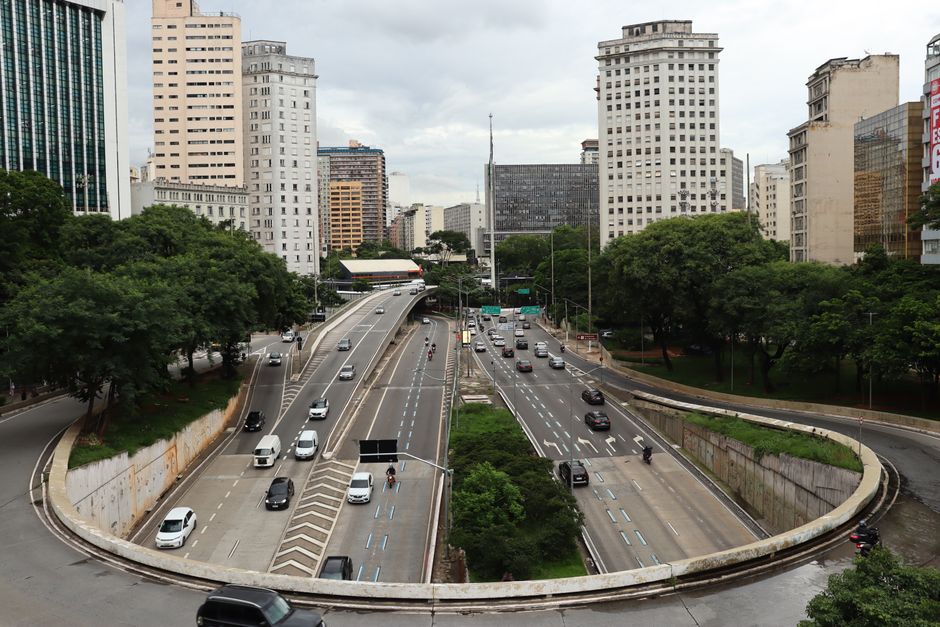
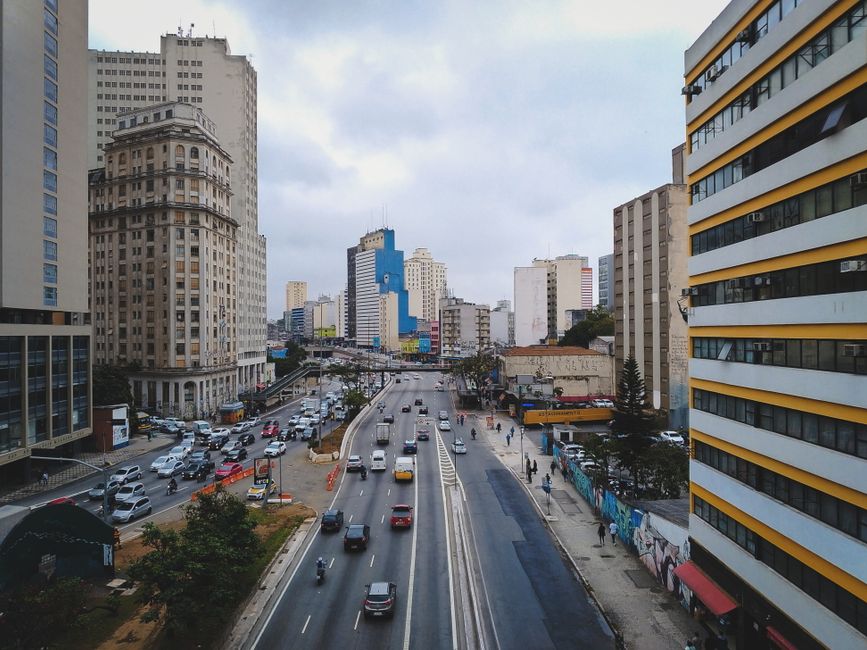
São Paulo's environmental awakening did not arrive as inspiration. It arrived as necessity, born from choking smog in the Pinheiros Valley, toxic rivers cutting through the zona leste, and a metropolitan region of 22 million people gasping for clean air and water.
The 1980s and 1990s marked the nadir. Industrial zones in Cubatão pumped mercury and sulfur dioxide into the atmosphere at levels that left residents with respiratory disease rates among the world's highest. The Tietê River, once a lifeline for the city, became a biological dead zone. By the early 2000s, São Paulo experienced recurring water crises—the 2014-2015 drought brought the Sistema Cantareira reservoirs to near collapse, rationing water across the metropolitan area and forcing uncomfortable conversations about whether the megacity was simply unsustainable.
These crises created the political space for change. The creation of the Environmental Secretariat in its modern form, expanded budgets for green infrastructure projects, and grassroots movements in neighbourhoods like Vila Mariana and Pinheiros began reshaping how the city thought about its future. Organizations like SOS Mata Atlântica and the Instituto Socioambiental became household names among environmentally conscious paulistas.
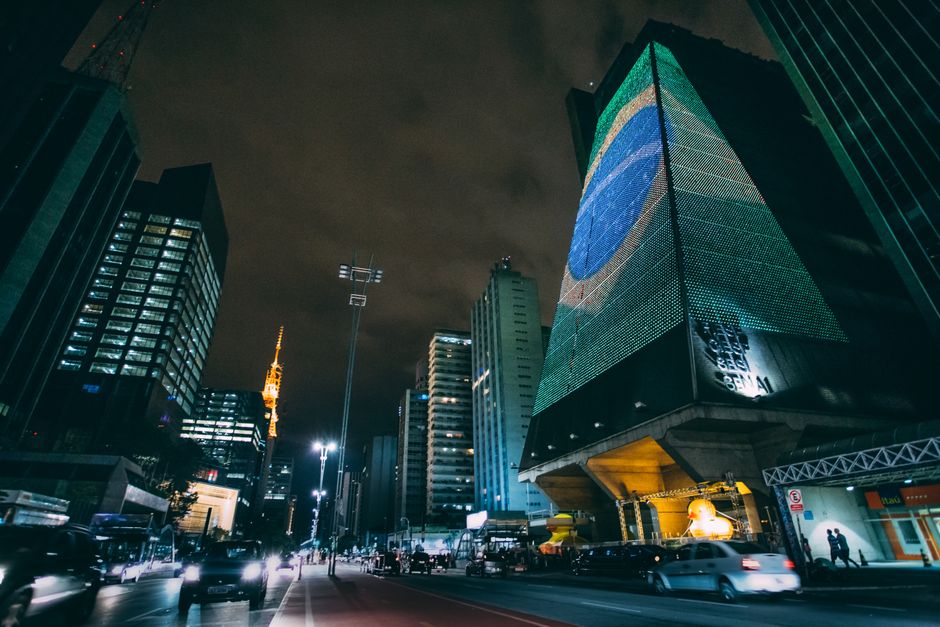
The shift accelerated in the 2010s. The city's commitment to renewable energy expanded beyond hydroelectric reliance. Ciclovias began threading through traditionally car-choked arteries like Avenida Paulista and Avenida Faria Lima. The creation of urban parks—from the revitalized Parque da Luz to newer green spaces in underserved neighborhoods—signaled a recognition that environmental justice and urban planning were inseparable.
Today's sustainability initiatives did not emerge from abstract idealism. They emerged from the lived experience of millions who saw their children's health compromised by air quality, who watched lakes disappear, who understood that a city of this scale could not sustain itself on old industrial models. The Secretariat de Urbanismo's ongoing efforts to expand tree canopy coverage, now targeting 10 percent coverage across the city by 2030, represent not environmental luxury but recognition of survival mathematics.
Current projects addressing waste reduction, renewable energy adoption, and restored green corridors carry the weight of that history. They are not primarily about winning international climate accords, though that matters. They are about a city learning, through decades of mistakes and crises, that sustainability is not an option but the foundation upon which São Paulo's future depends.
This article was compiled by AI from the sources linked above and screened before publishing. See our editorial standards.