São Paulo's public security apparatus is under unprecedented pressure, with senior officials and safety experts openly acknowledging systemic fractures that have left neighborhoods from Capão Redondo to Cidade Tiradentes increasingly vulnerable to organized crime networks.
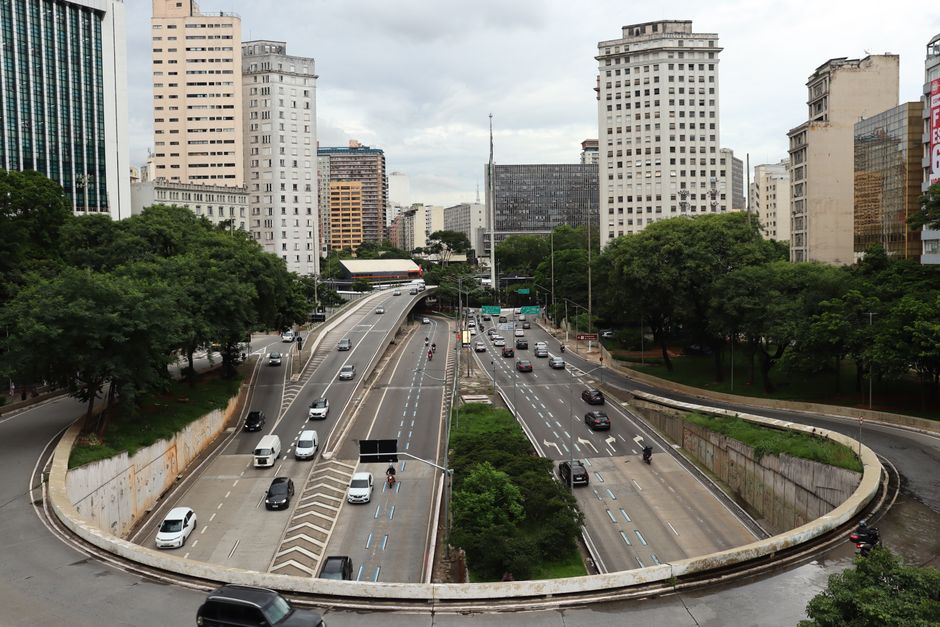
Brigadeiro Faria Lima Avenue remains congested with commercial traffic, but blocks away in the eastern zones, residents report response times exceeding 45 minutes for emergency calls—a stark contrast to the 12-minute average in wealthier central districts. Lieutenant Colonel Marcelo Fontana, who oversees operations for the Military Police's 4th Battalion covering the Itaquera region, recently told municipal authorities that his unit is operating at 73% capacity due to ongoing transfers and retirements.
"We're fighting a tide with a teaspoon," Fontana reportedly said during a closed-door meeting with city councillors at the Palácio das Indústrias last month, according to three municipal sources who requested anonymity. The stark language reflects growing frustration among frontline commanders struggling to contain gang-related territorial disputes that have claimed over 1,200 lives across metropolitan São Paulo in the first half of 2026.
Dr. Carolina Mendes, criminology professor at Universidade de São Paulo's Institute of Criminology, has published three peer-reviewed papers this year arguing that São Paulo's emergency dispatch system—based at headquarters on Rua Floriano Peixoto—lacks the digital infrastructure to coordinate responses across fragmented police jurisdictions. "We have 19th-century governance structures trying to manage 21st-century criminal networks," she stated during a public forum at Sesc Pompéia in May.
The Secretaria da Segurança Pública has requested R$4.8 billion in supplemental funding for 2027, focusing on body camera programs and upgraded surveillance in high-violence corridors along BR-116 and the Tietê riverbank zones. However, budget approval remains uncertain amid competing municipal priorities.
Civil society organizations like the Instituto Sou da Paz have criticized both state and municipal authorities for what they describe as insufficient investment in prevention programs. Their latest report documents that youth employment initiatives in neighborhoods like Brasilândia and Sapopemba receive less than 2% of the security budget, despite evidence suggesting gang recruitment thrives in areas with over 34% youth unemployment.
As São Paulo continues its precarious balancing act between reactive enforcement and preventive investment, the consensus among officials and experts is clear: current strategies are insufficient for a city facing organized crime operations with estimated annual revenues exceeding R$15 billion.
This article was compiled by AI from the sources linked above and screened before publishing. See our editorial standards.