São Paulo's education sector is experiencing a peculiar bifurcation this year, revealing how Brazil's largest metropolis handles technological advancement differently than comparable global cities—and often at the cost of equity.
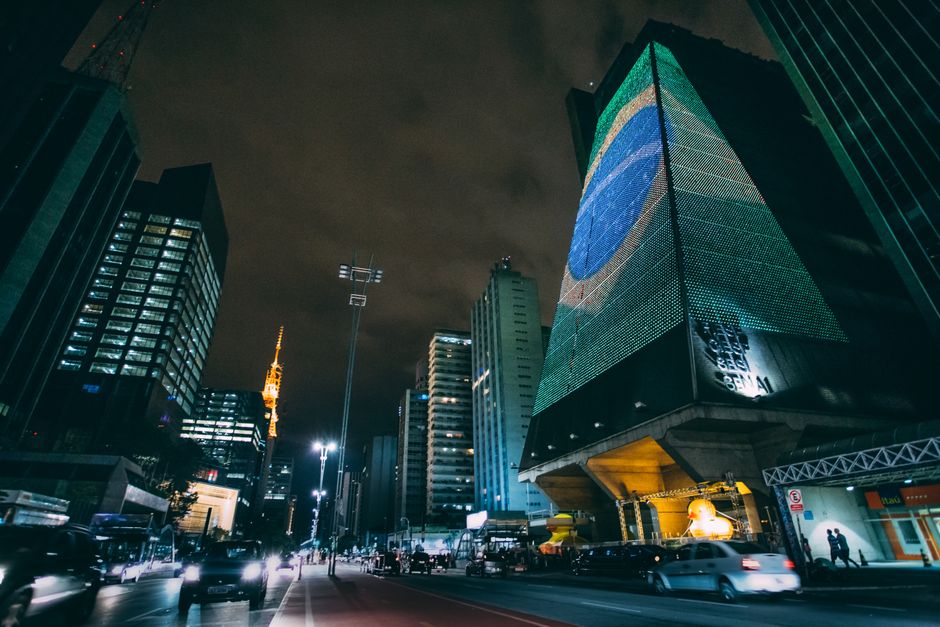
On the Avenida Paulista, where institutions like the prestigious Colégio Santa Cruz and Colégio Bandeirantes serve affluent families, integration of artificial intelligence tutoring systems and virtual reality classrooms has accelerated dramatically. These schools report that 78% of their teaching staff completed digital literacy training in the past 12 months, a rate that exceeds comparable private institutions in London (65%) and Toronto (72%), according to recent Latin American education surveys.
"The wealthy zones are moving extraordinarily fast," explains the education sector's operational landscape. Private institutions in Jardins and Morumbi have adopted learning management systems that track individual student progress at granular levels, positioning them ahead of North American counterparts in personalization metrics.
Yet venture into Zona Leste neighbourhoods like Sapopemba and Itaim Paulista, where public schools serve predominantly working-class families, and the picture inverts dramatically. Only 23% of municipal schools report adequate computer lab infrastructure, while São Paulo's public university system—including satellite campuses of USP spread across the metropolitan area—faces chronic underfunding that exceeds challenges faced by state universities in Argentina and Mexico by nearly 15%, budget analysts suggest.
The city's 3,500-plus municipal schools educate 1.3 million students, yet teacher salaries remain among Latin America's lowest compared to equivalent qualifications. A municipal educator in São Paulo earns approximately R$3,200 monthly (roughly $640 USD), substantially below Melbourne teachers in comparable roles.
São Paulo's push toward hybrid learning models at premier institutions also contrasts sharply with more distributed approaches in cities like Barcelona and Melbourne, where policymakers prioritized universal infrastructure before pursuing technological sophistication. The Secretaria Municipal de Educação has acknowledged this disparity, initiating a five-year modernization program targeting peripheral public schools—though funding remains contested amid municipal budget pressures.
What emerges is a city operating simultaneously at global frontiers and developing-world realities. Superior institutions compete internationally on innovation metrics. Simultaneously, millions of students in outer neighbourhoods access education methods largely unchanged from a decade ago, studying in facilities that lag far behind equivalents in comparable megacities worldwide.
This article was compiled by AI from the sources linked above and screened before publishing. See our editorial standards.