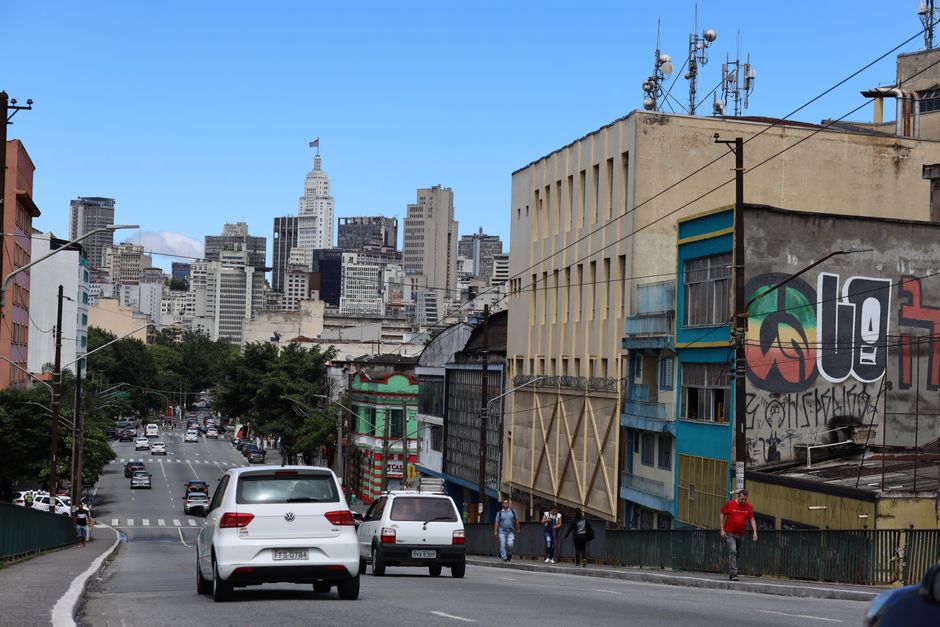
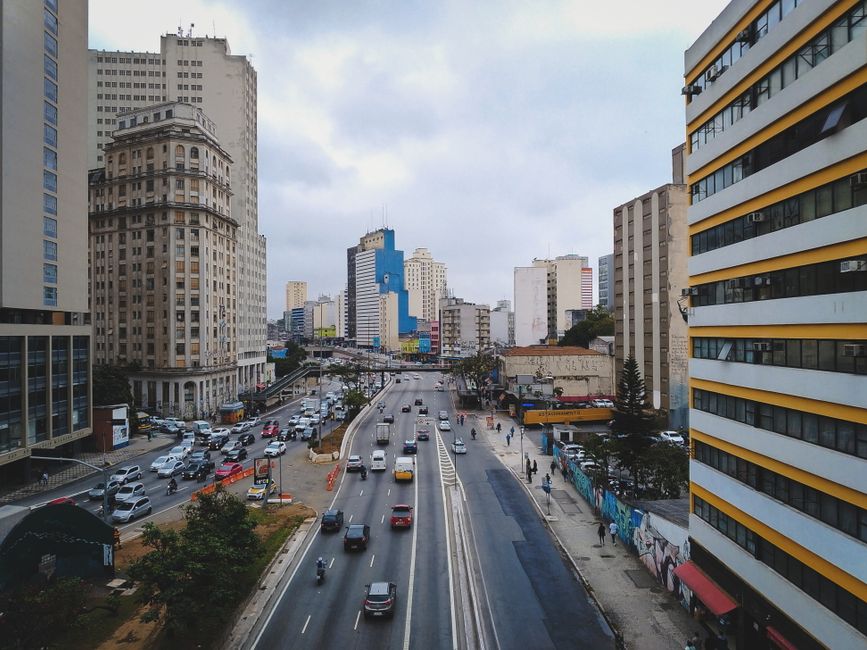
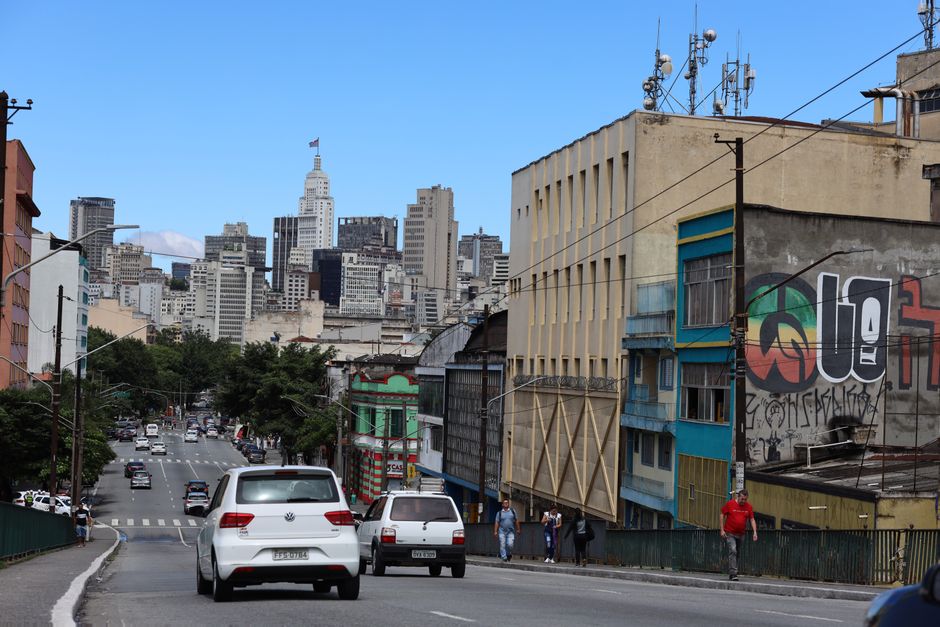
São Paulo's city government is staring down one of its most consequential decisions in years: whether to fundamentally restructure the Metropolitan Transport Company (EMTU), the agency responsible for coordinating bus services that carry approximately 8 million passengers daily across the metropolitan area. The debate playing out in chambers at the Palácio das Indústrias on Avenida Getúlio Vargas could reshape commuting reality for residents from the peripheries of Guarulhos to the central corridors of Pinheiros and Vila Mariana.
At stake is the city's ability to modernise ageing bus fleets, expand the often-unreliable service to underserved neighbourhoods like Paraisópolis and Heliópolis, and address a structural deficit that has ballooned to nearly R$2.3 billion. Current proposals under discussion involve either merging EMTU operations with the São Paulo Transport Company (SPTrans), which manages municipal buses, or introducing private-sector operators into zones currently run exclusively by the public agency.
For ordinary residents, this matters acutely. Commute times on the Linha 5 corridor connecting the eastern suburbs to central São Paulo have stretched beyond 90 minutes during peak hours. Meanwhile, a standard monthly bus pass costs R$168.50—a sum that represents roughly 12 percent of minimum wage earners' monthly income. Any fare increase tied to restructuring would disproportionately impact lower-income workers travelling from Brasilândia, Itaquera, and the southern zones.
Local business associations have begun weighing in. The Federation of Commerce of the State of São Paulo (Fecomércio) warns that service disruptions during any transition could damage commerce in retail districts like Rua 25 de Março and around Largo do Paço. Yet advocacy groups representing residents argue that the current system's fragmentation has created dead zones—neighbourhoods where bus frequencies drop below acceptable levels, effectively trapping residents in transport poverty.
City administrators frame the restructuring as essential fiscal management, pointing to deferred maintenance on vehicles and deteriorating infrastructure across the network. The council is expected to vote on preliminary proposals by mid-July. Meanwhile, commuters continue navigating a system that, despite its scale, struggles with consistency and equity.
For São Paulo residents dependent on buses to access employment, education, and healthcare, this political moment is personal. Whatever emerges from the council chambers will directly affect whether getting across the city remains affordable and feasible—or becomes an increasingly arduous daily burden.
This article was compiled by AI from the sources linked above and screened before publishing. See our editorial standards.