A decade of geopolitical upheaval across South America and beyond has transformed Brazil's largest city into a refuge—and exposed the limits of integration infrastructure.
Major institutions across the city announce expanded online programs and financial aid initiatives in response to mounting pressure from families struggling with tuition increases.
As the controversial revitalisation of the Luz neighbourhood reaches a turning point, key figures weigh in on whether community-led initiatives can succeed where enforcement alone has failed.
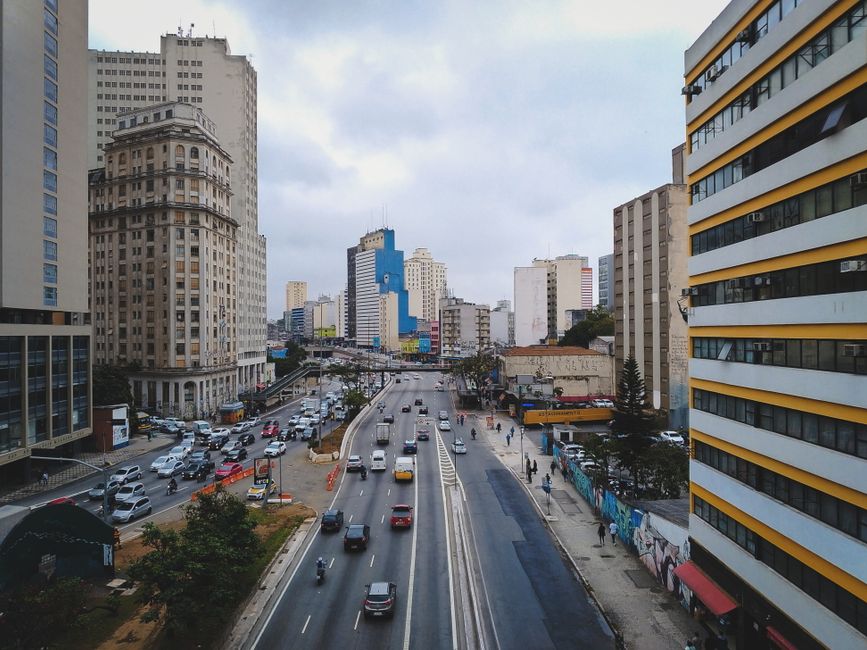
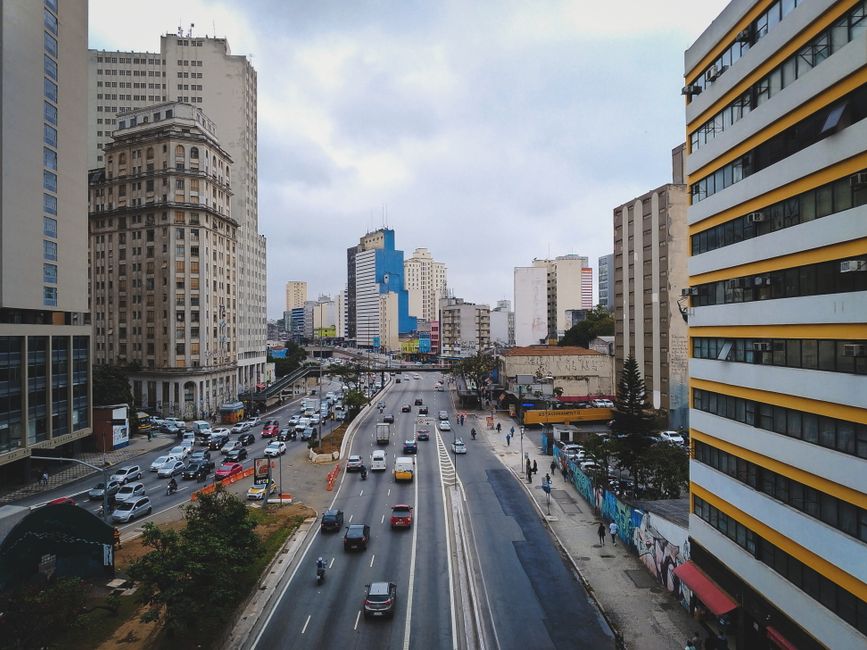
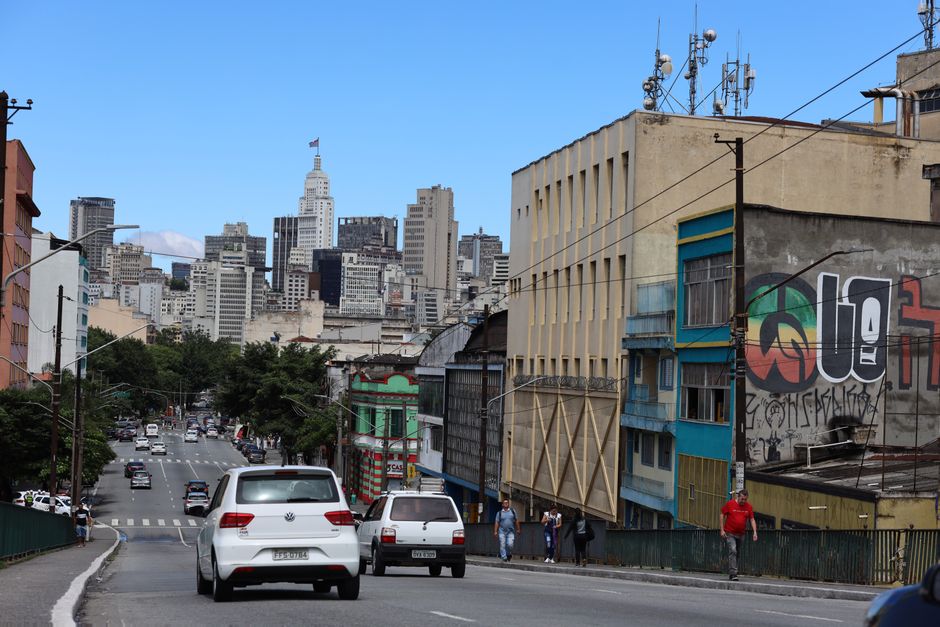
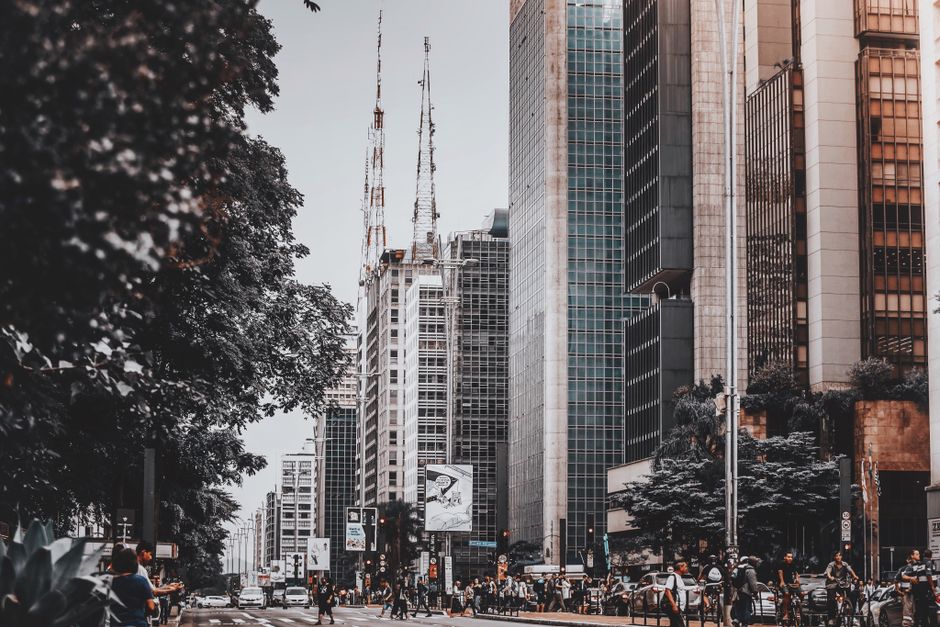
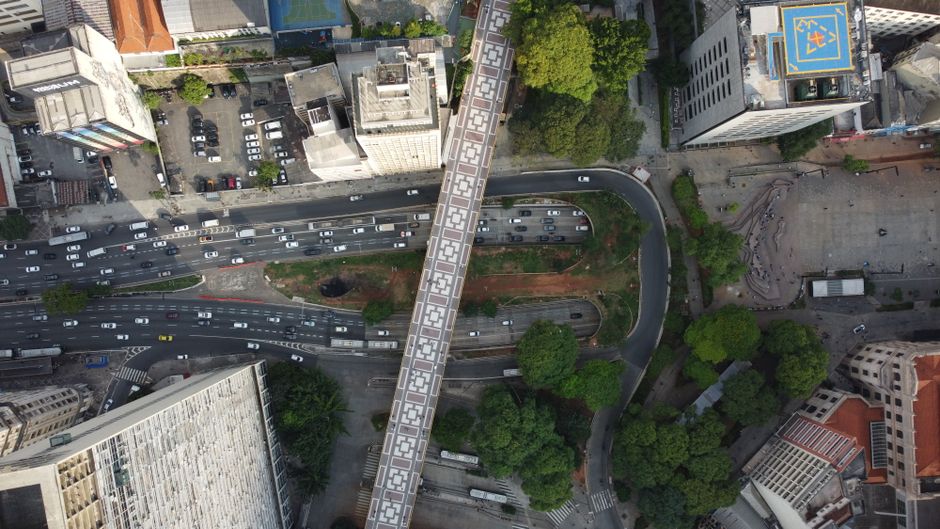
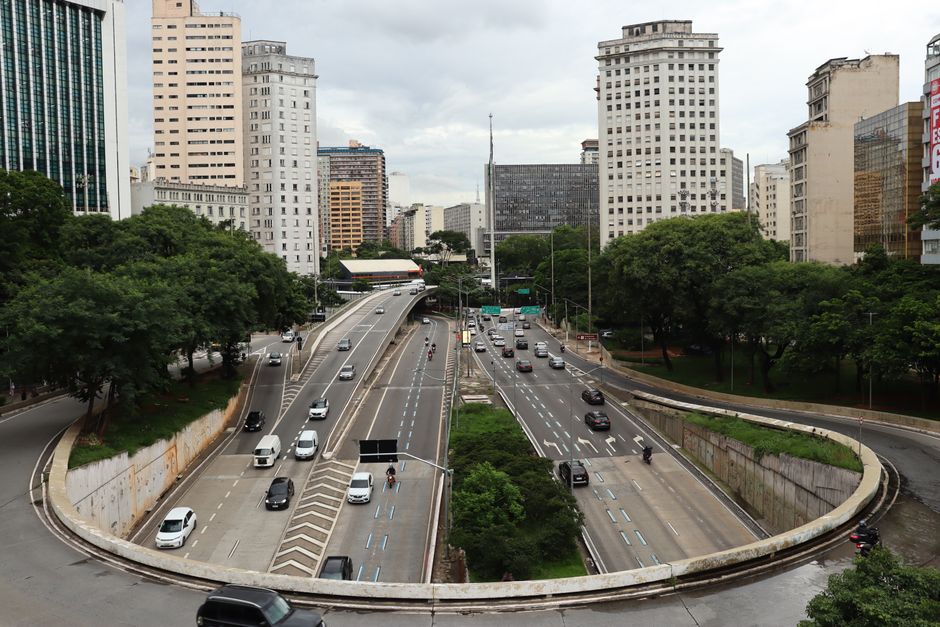
As budget negotiations intensify and infrastructure projects stall, city officials face pivotal votes on metro expansion, bus fleet modernisation, and favela upgrading that will determine whether São Paulo can finally ease its notorious congestion.
City administrators, academic experts, and housing advocates clash over rival visions for tackling the metropolitan region's chronic shortage of affordable units.
As the metropolitan region grapples with overflowing landfills and ambitious 2030 sustainability targets, city officials face pivotal choices on funding, infrastructure, and community engagement.
While cities from Berlin to Toronto struggle with newcomer absorption, Brazil's largest metropolis deploys targeted policies and community networks that experts say offer a roadmap for an era of unprecedented displacement.
As the city grapples with affordability and sprawl, experts say São Paulo is falling behind international competitors in tackling urban housing shortages.
Decades of industrial pollution, water scarcity and urban sprawl transformed São Paulo into a laboratory for green innovation—but only after the city hit rock bottom.
While the city's elite institutions adopt AI-powered learning faster than London and Toronto, public schools in peripheral neighbourhoods struggle with outdated infrastructure.
New census data reveals that foreign-born residents now represent 8.2% of São Paulo's population, driving significant changes in housing, employment, and cultural infrastructure across the metropolis.
New municipal data shows the average rent in Vila Mariana has tripled since 2020, while peripheral zones struggle with infrastructure investment that hasn't kept pace with population growth.
New municipal data exposes the scale of the challenge facing Brazil's largest metropolis as planners grapple with affordability, density, and infrastructure.