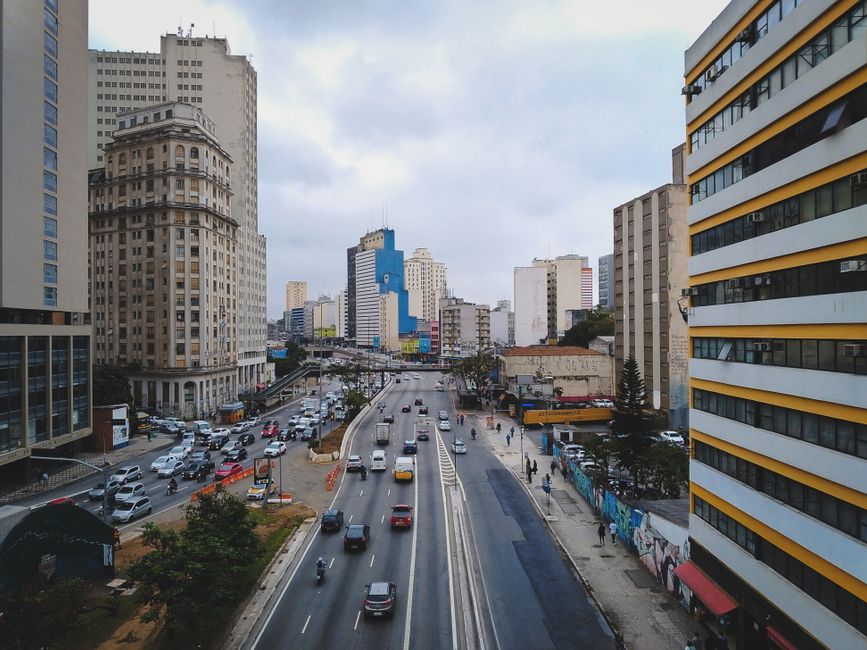
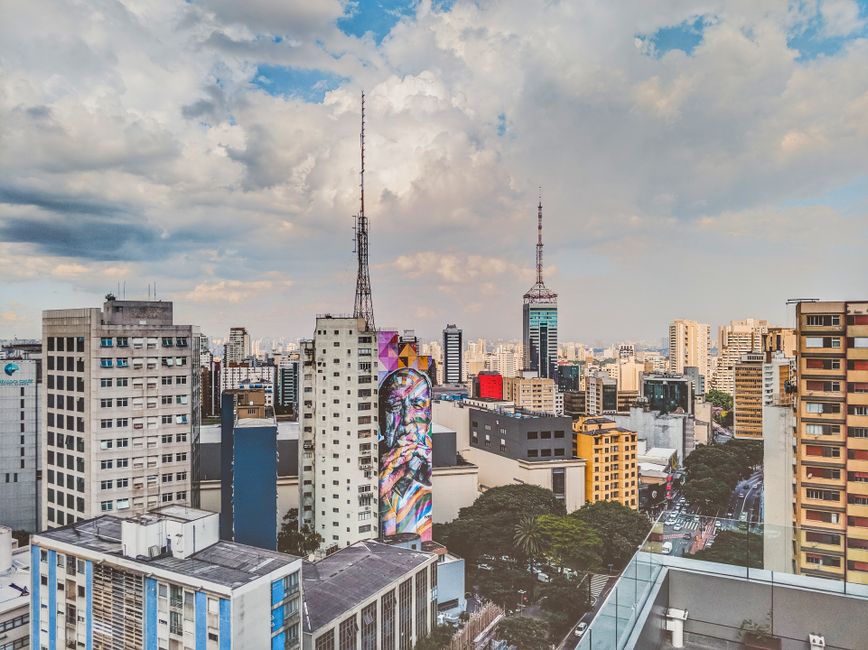
São Paulo stands at a decisive moment in its environmental trajectory. With the city's two main landfills—Aterro da São João and facilities in the ABC region—operating at near-capacity, municipal authorities must act within the next 18 months to avoid a waste management crisis that could cripple Latin America's largest metropolis.
The São Paulo Environmental Secretariat's recent sustainability roadmap identifies three urgent crossroads. First: investment in waste separation infrastructure. Currently, only 3% of São Paulo's residential waste undergoes proper recycling, compared to 10% in Rio de Janeiro and 12% in Curitiba. The city must decide whether to fund an estimated R$2.4 billion modernization of sorting facilities across zones like Vila Mariana, Pinheiros, and the eastern suburbs—or maintain the status quo and face landfill saturation by 2029.
Second is the controversial decision around extended producer responsibility (EPR). The National Waste Policy technically requires manufacturers to fund end-of-life management, but enforcement remains fragmented. São Paulo's Chamber of Commerce has signaled reluctance to strengthen these requirements, citing cost concerns. The coming months will determine whether the city enforces stricter EPR standards or negotiates voluntary agreements with major retailers and brands operating along Avenida Paulista and throughout the metro region.
The third decision concerns community composting hubs. Initiatives like the program operating in Parque da Agua Branca have shown promise—residents can compost organic waste (roughly 50% of São Paulo's trash) and collect nutrients for urban gardens. Expanding this model from 12 current locations to 50 across neighborhoods like Itaim Bibi, Mooca, and Vila Madalena requires not just funding but sustained behavioral change campaigns and municipal coordination that remains uncertain.
Environmental groups including Instituto Paulista de Tecnologia e Inovação have called for immediate action, warning that without decisive moves, São Paulo risks becoming a regional dumping ground for neighboring municipalities. Simultaneously, budget constraints following recent fiscal pressures mean the city cannot pursue all three paths simultaneously.
Industry observers suggest a decision tree is imminent. June through August typically see municipal planning sessions where budget allocations for 2027 are finalized. The choices made in coming weeks will ripple through the decade, determining whether São Paulo becomes a sustainability leader or defaults to an unsustainable waste model that threatens public health and environmental stability across the entire metropolitan region.
This article was compiled by AI from the sources linked above and screened before publishing. See our editorial standards.