São Paulo stands at a critical juncture. With the city administration entering the second half of 2026, three major decisions loom that will reshape daily life for the metropolis's 12 million residents and define the next mayor's legacy before elections arrive in 2028.
The most pressing issue concerns the long-delayed Metro Line 6 extension. Originally conceived to connect Brasilândia in the north to Vila Madalena, the project has languished in planning limbo for five years. City Hall must decide within weeks whether to proceed with the full R$18 billion expansion or scale back to a more modest first phase serving only the Zona Norte—a region where 40 percent of commuters rely exclusively on buses. The technical commission reviewing the project's viability is expected to submit its final report by mid-July, setting up a decisive council vote for August.
Running parallel to this infrastructure puzzle is the municipality's push to replace 2,400 aging diesel buses with electric alternatives by 2030. Currently, São Paulo's bus fleet emits roughly 23 percent of the city's transport-related carbon dioxide. Transit operators argue the costs are prohibitive without state or federal subsidies, while environmental advocates note that air quality in the Zona Leste deteriorates measurably each winter. Negotiations with operators and funding agencies will intensify through July.
Perhaps most socially fraught is the proposed comprehensive upgrade programme for six major favelas—Paraisópolis, Heliópolis, Grajaú, and three others—which would require displacing an estimated 8,000 families for infrastructure work and modernisation. The programme carries a R$3.2 billion price tag and has sparked fierce debate between housing rights groups and development advocates. A public consultation period concludes June 30, with a final proposal expected by late August.
These decisions arrive amid fiscal constraints. The city's revenue from IPTU property taxes fell 12 percent last year as property valuations declined across residential zones. With less discretionary spending, officials must choose which projects advance and which get deferred again.
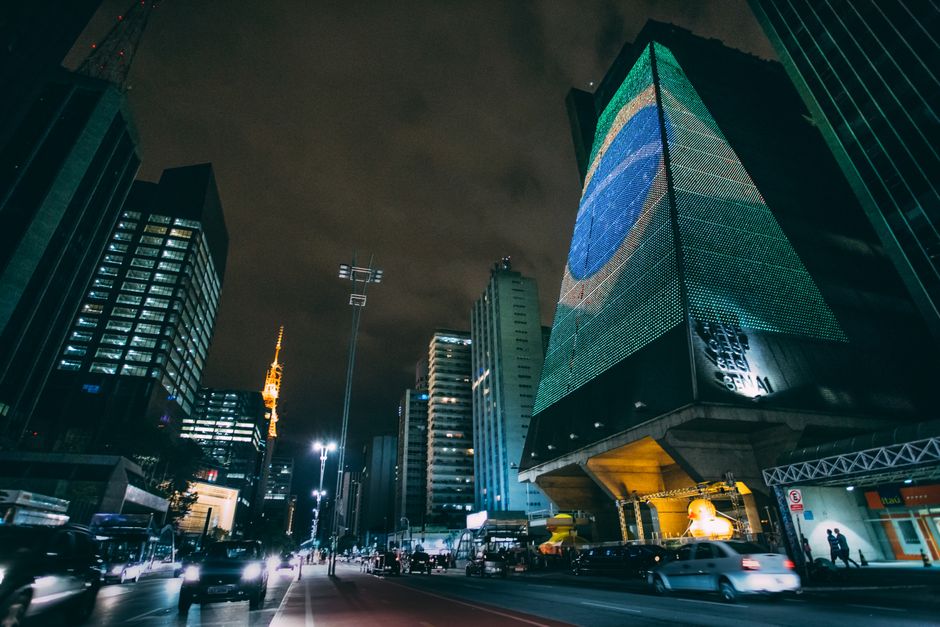
The administration faces a political reality: the 2028 mayoral race is already taking shape. How these three decisions play out will signal whether the incumbent's tenure succeeded in addressing the mobility crisis that consistently ranks as residents' top frustration. For commuters on the Avenida Paulista during peak hours, or families in Paraisópolis without reliable water, the next sixty days matter enormously.
This article was compiled by AI from the sources linked above and screened before publishing. See our editorial standards.