São Paulo's Migration Hub Sees Surge in Venezuelan Arrivals as Regional Crisis Deepens
This week brought record numbers to the city's reception centres, prompting local organisations to expand services across Bom Retiro and Brás.
This week brought record numbers to the city's reception centres, prompting local organisations to expand services across Bom Retiro and Brás.
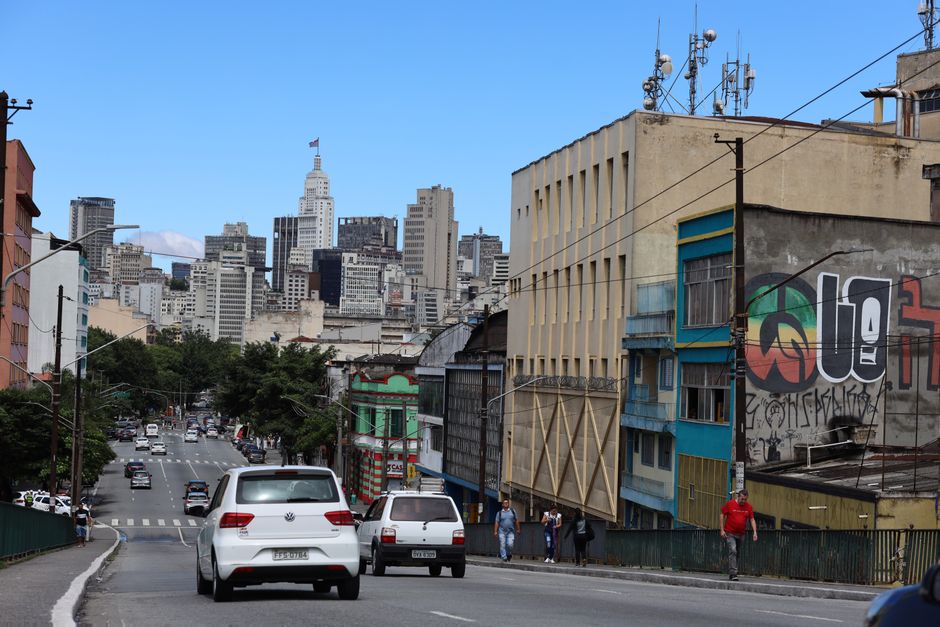
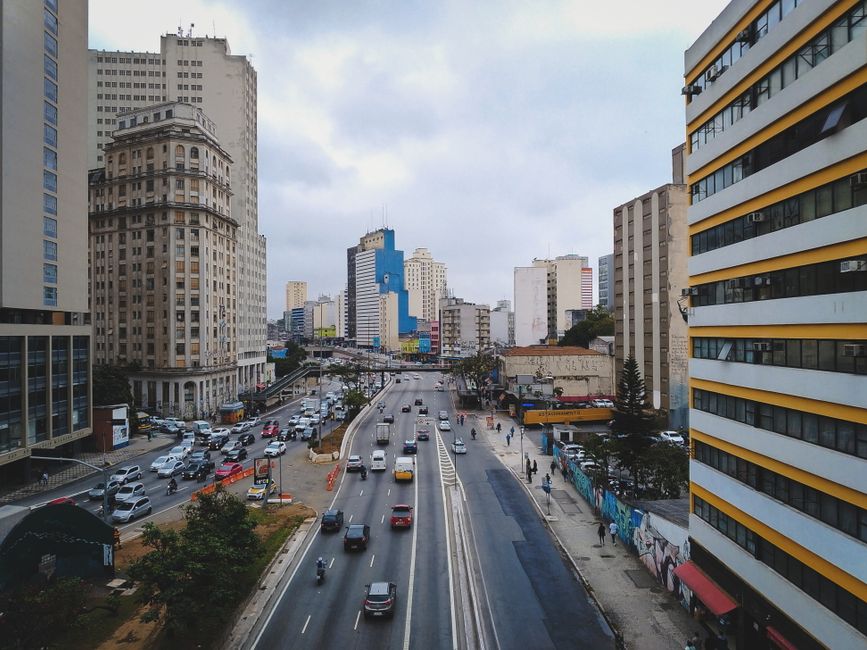
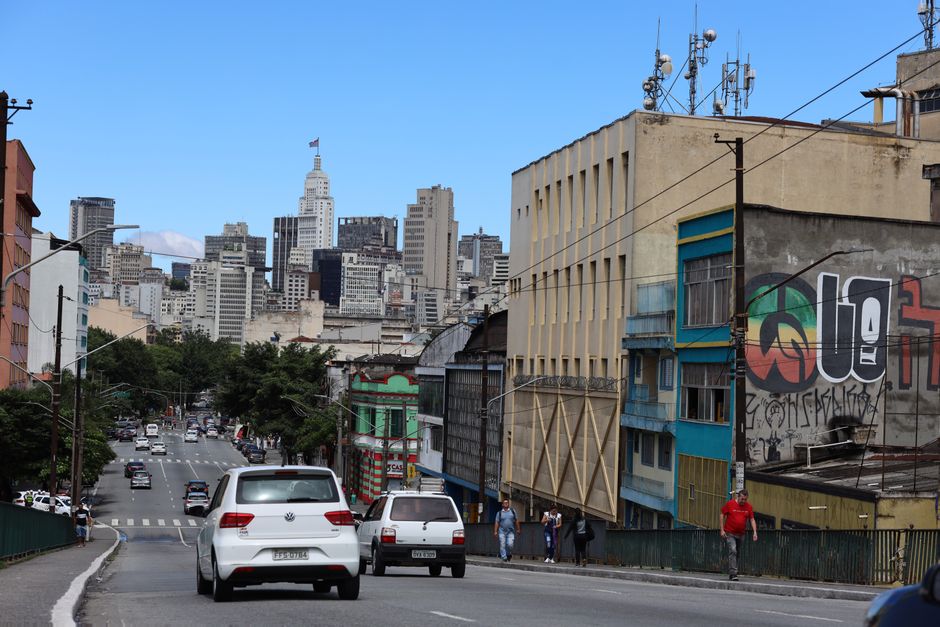
São Paulo's migration landscape shifted noticeably this week as humanitarian organisations reported their highest intake of Venezuelan arrivals in three months, driven by escalating conditions in the neighbouring country. The surge has stretched resources at key reception facilities, particularly around the Bom Retiro neighbourhood, traditionally the city's gateway for displaced populations seeking resettlement.
Data from the Cáritas Arquidiocesana de São Paulo indicates that 247 individuals—predominantly families with young children—registered at its central office on Rua Aurora between Monday and Friday. This represents a 34 per cent increase from the previous week and has forced the organisation to activate overflow capacity at its secondary location in Brás. The influx reflects broader regional instability that has seen migration pressures mount across South America's major urban centres.
Local migration advocates point to deteriorating humanitarian conditions as families increasingly view São Paulo as a viable destination. The cost of living remains substantially lower than in rival hubs like Lima or Bogotá, and established Venezuelan communities here—estimated at over 240,000 residents—provide crucial support networks. "We're seeing mothers arriving with infants, sometimes just days old," noted a spokesperson for the Missão Paz organisation, which operates language and employment training programmes in the historic Glicério neighbourhood.
The state government's Secretaria de Desenvolvimento Social confirmed this week that emergency shelter capacity in central São Paulo has reached 78 per cent utilisation, prompting discussions about utilising facilities in the outer zones. Temporary accommodation costs have risen to approximately R$85 per night per person, straining already-limited municipal budgets.
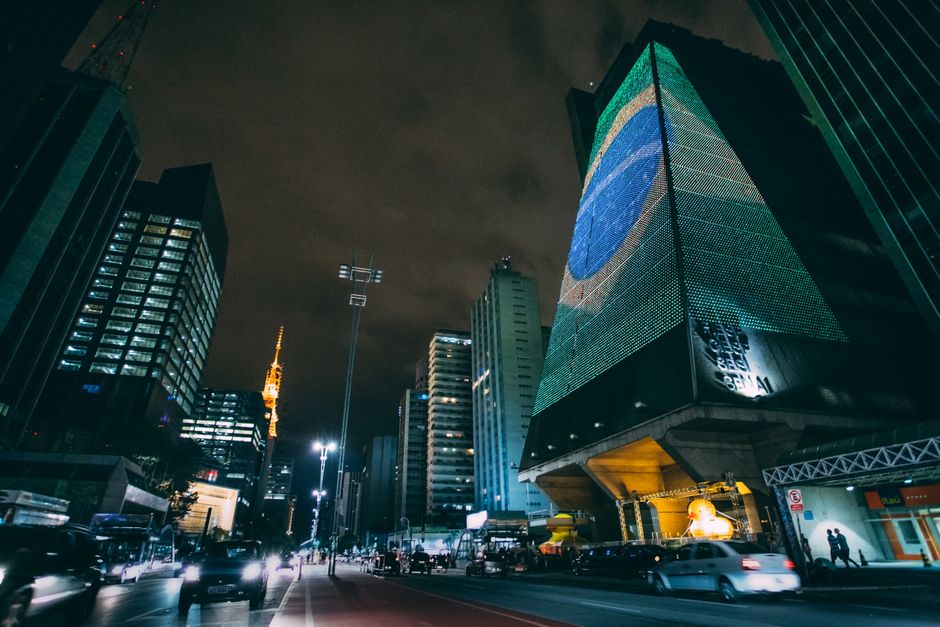
On a positive note, several cultural institutions are mobilising to support integration efforts. The Instituto Moreira Salles announced expanded programming at its Paulista Avenue headquarters, including free Portuguese conversation circles and skills workshops. Community organisers in Pari are simultaneously preparing celebration events around upcoming World Cup matches, channelling diaspora enthusiasm into civic participation—a model that some hope will ease social cohesion challenges.
Employment remains the critical bottleneck. While São Paulo's service and construction sectors typically absorb migrant workers, recent economic uncertainty has tightened hiring. NGOs report that language barriers continue limiting access to formal positions, with most newcomers entering informal work within weeks of arrival.
City authorities are expected to convene stakeholders next week to discuss medium-term reception infrastructure, though officials cautioned that solutions require state and federal coordination alongside municipal resources.
This article was compiled by AI from the sources linked above and screened before publishing. See our editorial standards.
How does this story make you feel?
Spread the word
About this article
Published by The Daily São Paulo
Daily brief
Free, in your inbox before 7am. Weekdays.
More in News