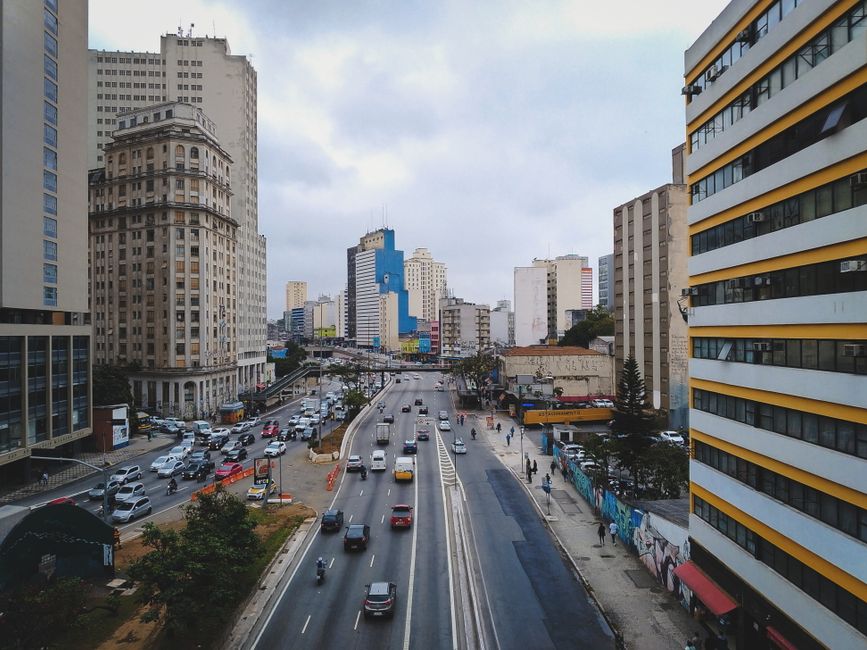
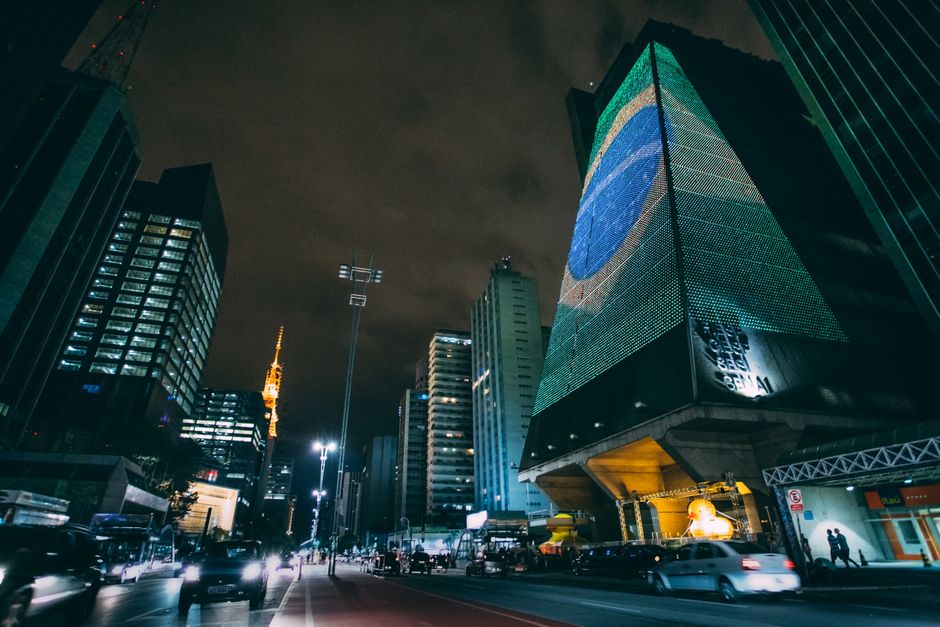
How São Paulo's Transport Crisis Became the Driver Behind This Year's Infrastructure Rush
Decades of underinvestment and congestion have forced city planners to reimagine mobility across the metropolis.
Decades of underinvestment and congestion have forced city planners to reimagine mobility across the metropolis.
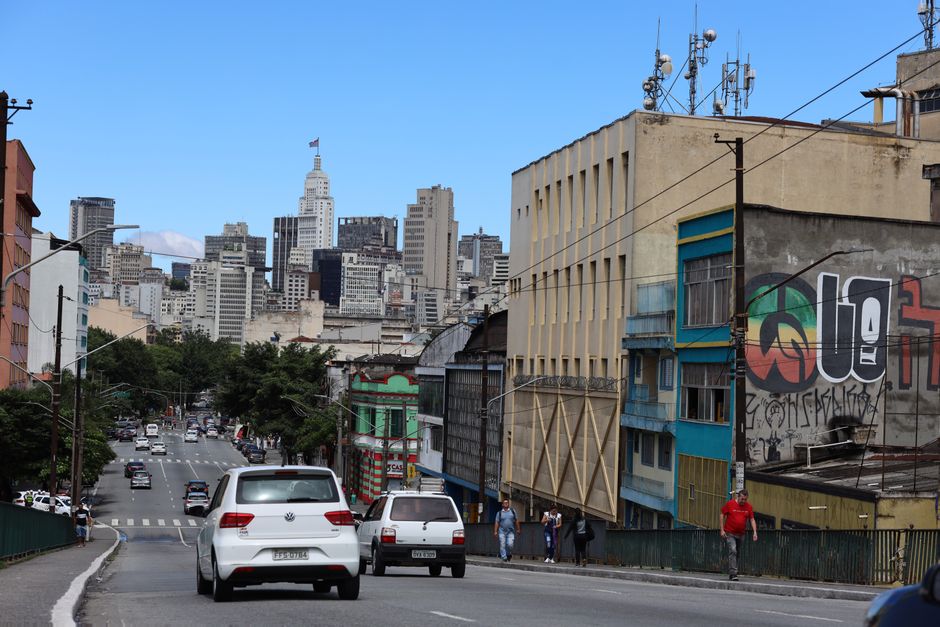
When the Linha 6 light rail project was first conceived in the early 2000s, connecting the Brasilândia neighbourhood to the western suburbs seemed like a distant possibility. Two decades later, as construction crews work across the Zona Oeste, the project exemplifies how São Paulo finally confronted the transport gridlock that has defined urban life here for generations.
The numbers tell a stark story. Pre-pandemic studies showed the average commuter on the Marginal Pinheiros spent nearly two hours daily in traffic. The metropolitan region's subway system—despite serving 5 million daily passengers—covers only 107 kilometres of track across a city of 12 million people. Compare that to Tokyo's 420 kilometres or London's 402 kilometres, and the infrastructure gap becomes undeniable.
The turning point came around 2022-23, when political pressure from outer neighbourhoods like Capão Redondo and Itaim Paulista, combined with environmental concerns over vehicle emissions, finally translated into sustained funding commitments. The state government's partnership with federal sources allocated nearly R$40 billion for transport projects through 2030—the largest infrastructure investment since the Metro's expansion during the 1980s and 1990s.
Older transport bones tell this story too. The Central do Brasil station, built in the 1950s, still processes commuter volumes it was never designed for. The Estação da Luz area, historically crucial to the city's railway network, had fallen into such disrepair that its revitalisation required not just financial investment but a cultural shift in how the city valued its own infrastructure heritage.
Today's projects—the monorail extensions heading toward Guarulhos, the Linha 6 expansion, the bus rapid transit corridors on Avenida Imigrantes—all represent belated recognition that mobility equals economic viability. Businesses had begun relocating from the congested Centre to outer zones; residential areas near potential transport nodes saw property values double.
What changed wasn't just political will, but public awareness. Social media campaigns documenting commute times, accidents caused by road congestion, and the environmental cost of São Paulo's car-dependent model created sustained pressure. Community organisations in Grajaú and Sapopemba, neighbourhoods historically underserved by public transport, became vocal stakeholders in project planning.
As construction scaffolding now dots the landscape from Vila Madalena to the peripheral zones, it's worth remembering this infrastructure boom didn't emerge from careful long-term planning. It came from decades of neglect finally meeting its reckoning. São Paulo's transport future is being built largely because the past was ignored for too long.
This article was compiled by AI from the sources linked above and screened before publishing. See our editorial standards.
How does this story make you feel?
Spread the word
About this article
Published by The Daily São Paulo
Daily brief
Free, in your inbox before 7am. Weekdays.
More in News