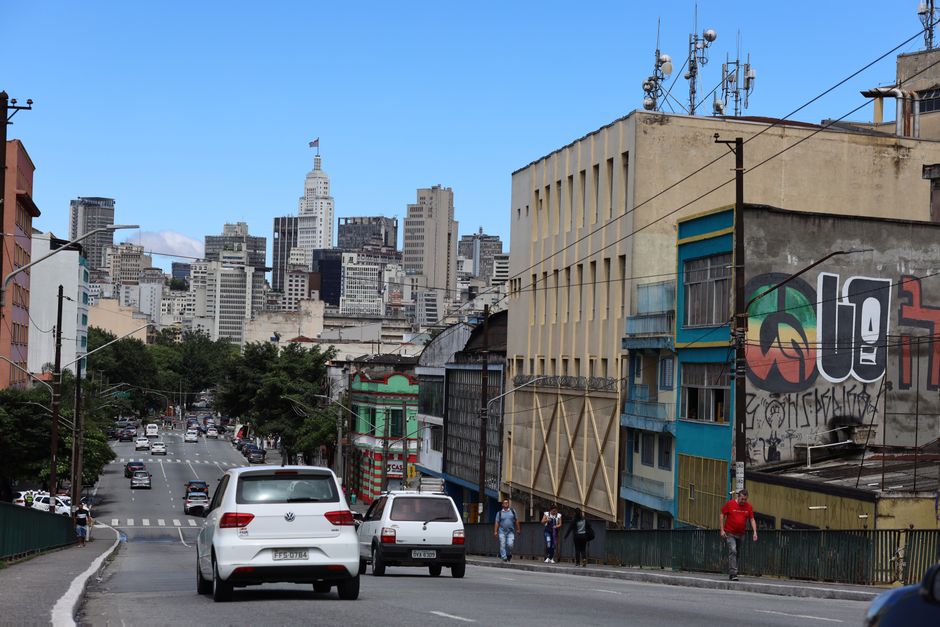
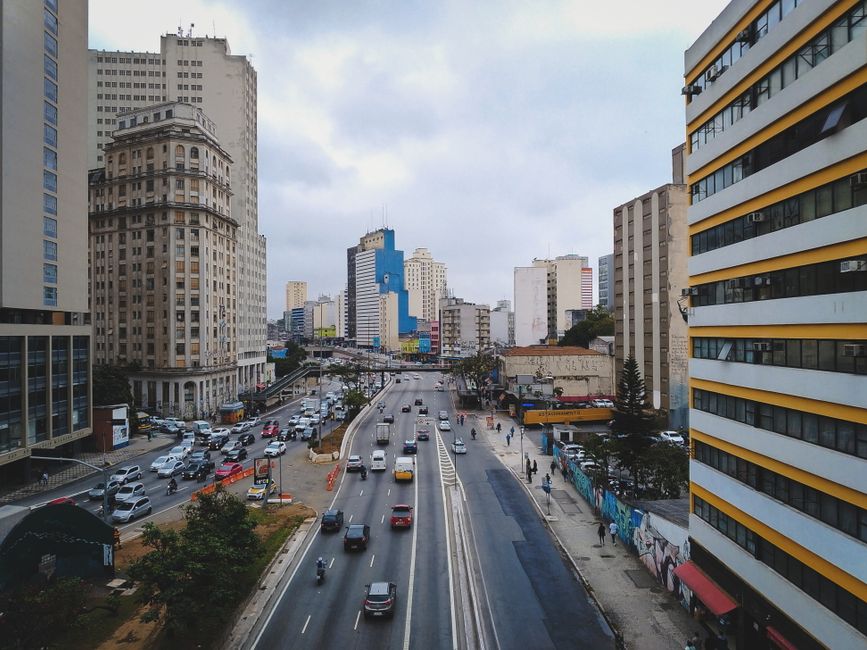
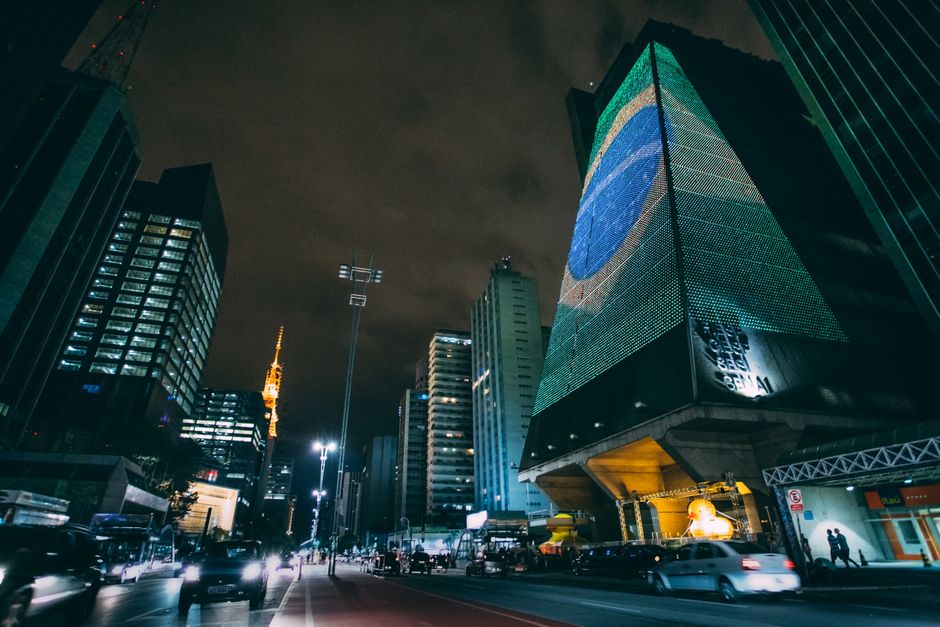
The numbers tell a stark story. A one-bedroom apartment in Vila Mariana now averages R$ 8,500 monthly, while the minimum wage sits at R$ 1,412. In the periphery—Itaquera, Capão Redondo, São Mateus—informal settlements continue expanding faster than official data can measure. Yet despite decades of urban planning frameworks, São Paulo stands at a genuine inflection point, with three competing policy directions vying for City Hall's commitment in the coming months.
The first path, championed by housing advocates and NGOs working in areas like Heliópolis, involves aggressive densification of existing neighborhoods through vertical development incentives. Proponents argue that allowing taller mixed-income buildings along major corridors—particularly the Avenida Paulista corridor and around future metro stations—could generate affordable units without consuming more land. The Secretaria de Habitação has preliminary data suggesting that streamlined permitting for projects with 20% social housing could unlock nearly 40,000 units across the city within five years.
A second approach prioritizes horizontal expansion into regulated peripheral zones, particularly around the yet-to-be-completed extensions of the metro system toward suburbs like Itapecerica da Serra and Arujá. This strategy, favored by some business interests, would shift development pressure outward, though critics worry it merely reproduces the sprawl that has already extended commutes to exhausting lengths for working-class families.
The third option—and perhaps most contentious—involves converting underutilized commercial real estate in declining office districts, particularly around Avenida Brasil and the Rua Augusta corridor, into residential units. This requires both tax incentives and regulatory flexibility that City Hall has historically resisted.
The timing matters enormously. Municipal elections approach in 2028, yet the city's Metropolitan Planning Council must present concrete zoning proposals by September. Without clear direction, developers continue building luxury units in saturated neighborhoods while the shortage for families earning under R$ 4,000 monthly deepens.
Key decisions loom: Will the city genuinely enforce affordability quotas on private development, or will market forces remain dominant? Can transit-oriented development actually precede housing demand, or will sprawl continue regardless? Will political will exist to redistribute land value capture toward public housing, or will that revenue continue flowing to municipal budgets through other means?
The answers won't emerge from technical reports alone. They require political choices about who São Paulo is ultimately built for—and those choices, delayed much longer, will have already been made by the market itself.
This article was compiled by AI from the sources linked above and screened before publishing. See our editorial standards.