How São Paulo's Environmental Crisis Led to a Sustainability Revolution
Decades of industrial sprawl and air pollution have finally prompted the city to reimagine its relationship with green spaces and clean energy.
Decades of industrial sprawl and air pollution have finally prompted the city to reimagine its relationship with green spaces and clean energy.
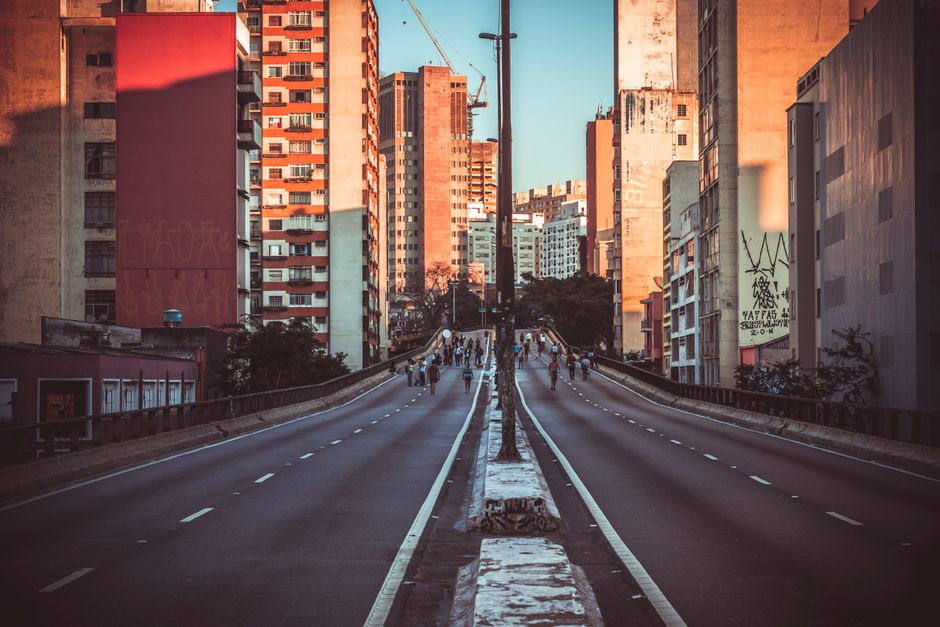
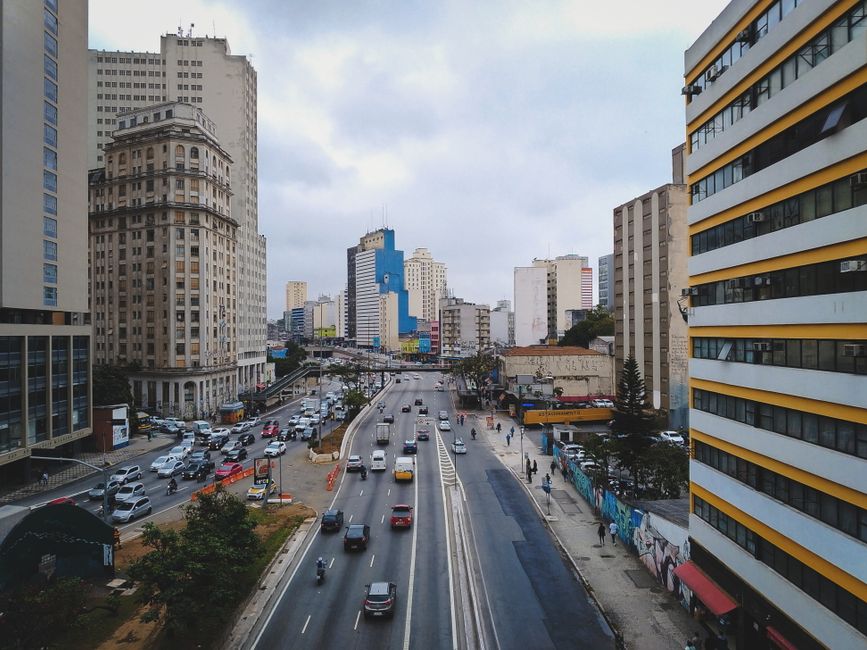
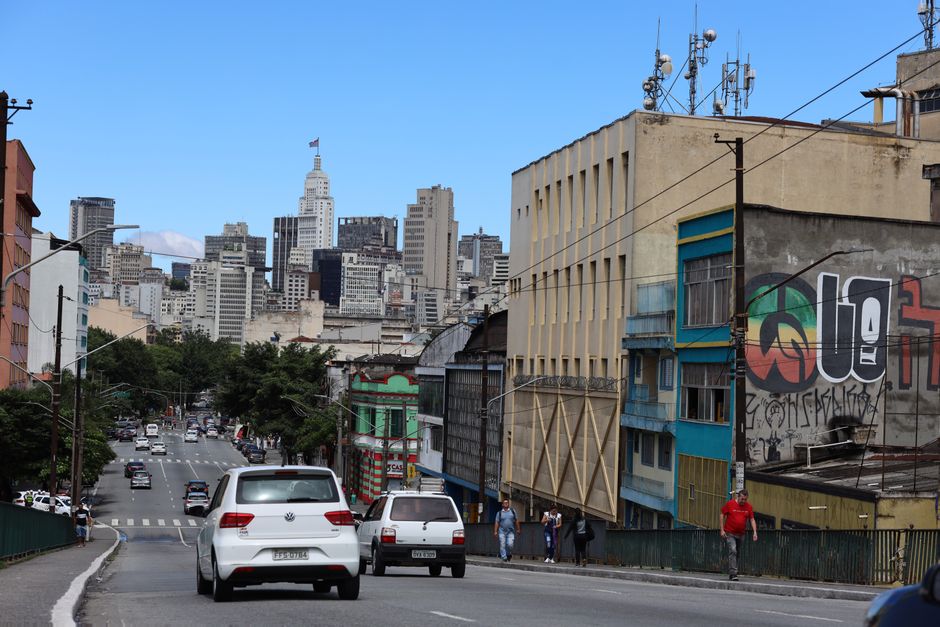
São Paulo's journey toward environmental consciousness reads like a delayed awakening. For much of the past century, the city prioritized breakneck industrial expansion over ecological balance, transforming the Pinheiros and Tietê rivers into open sewers while concrete devoured green zones across zones like Vila Mariana, Pinheiros, and Tatuapé. By the early 2020s, the damage was undeniable: air quality ratings regularly plummeted to hazardous levels, particularly during winter months when thermal inversion trapped smog over the metropolitan area of nearly 22 million people.
The turning point came gradually. In 2021, São Paulo experienced its worst drought in a century, forcing water rationing across the city and devastating the Cantareira system that supplies 50 percent of the metro region's drinking water. Simultaneously, successive reports from the Municipal Environmental Secretariat documented that green spaces comprised less than 15 percent of the city's area—far below the World Health Organization's recommended 12 square meters per capita. Neighborhoods like Capão Redondo and Brasilândia, home to working-class families, bore the brunt, with virtually no tree coverage and ambient temperatures running 3-4 degrees Celsius higher than affluent southern zones.
These crises catalyzed institutional change. In 2023, the city government launched its €800 million Urban Green Agenda, committing to plant 2 million new trees by 2030 and restore degraded riparian zones along the Pinheiros and Tietê. Organizations like The Nature Conservancy, working from offices in the Itaim Bibi district, partnered with municipal authorities to reimagine industrial brownfields as ecological parks. The Parque Linear Pinheiros project became a flagship initiative, converting 50 kilometers of riverbank into accessible green corridors threading through neighborhoods from Pinheiros to Osasco.
Energy transformation followed similar logic. With state power grid operator Operador Nacional do Sistema flagging capacity constraints, São Paulo embraced renewable infrastructure aggressively. By 2026, rooftop solar installations jumped from under 100,000 to more than 340,000 across residential and commercial sectors. The average residential system costs 18,000 reais, with state subsidies reducing that to 12,000 reais for low-income households.
What emerges is a city learning from near-collapse. The environmental movement here is not born of abstract ideology but of lived desperation—of parents with asthmatic children, of neighborhoods baked under unforgiving heat, of a water crisis that made sustainability not optional but essential. São Paulo's green future was not chosen; it was necessitated.
This article was compiled by AI from the sources linked above and screened before publishing. See our editorial standards.
How does this story make you feel?
Spread the word
About this article
Published by The Daily São Paulo
Daily brief
Free, in your inbox before 7am. Weekdays.
More in News