São Paulo's education sector stands at a pivotal moment as the second half of 2026 approaches, with administrators across the city grappling with decisions that will reshape how hundreds of thousands of students learn over the coming years.
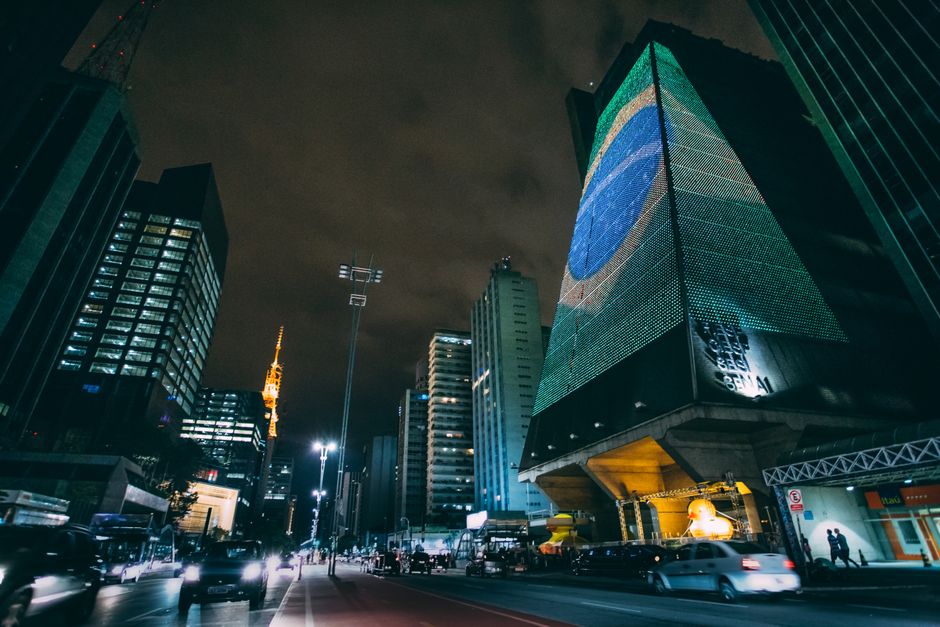
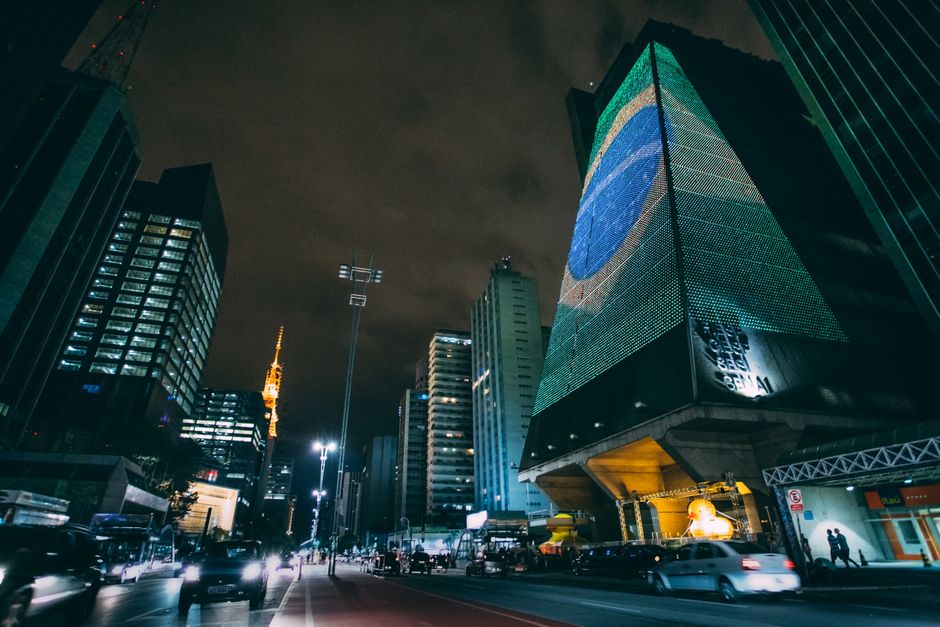
The watershed issue facing schools from Zona Oeste to the Zona Leste involves the fate of hybrid learning models introduced during recent disruptions. Institutions like those clustered around Avenida Paulista and in neighbourhoods such as Vila Mariana and Pinheiros must decide whether to maintain expensive digital infrastructure or redirect resources to physical infrastructure repairs. Many municipal schools in the periphery—particularly in Grajaú, Itaquera, and Sapopemba—have crumbling facilities that have waited years for renovation budgets.
A parallel challenge concerns curriculum alignment across São Paulo's fragmented education landscape. The state's public system, municipal schools, and private institutions operate largely independently, creating disparities that compound socioeconomic inequalities. Decision-makers at the Secretaria Municipal de Educação headquarters near Pátio do Colégio must soon determine whether to implement a unified framework or maintain autonomy.
University expansion presents another critical fork in the road. Institutions including those with campuses in Butantã and the eastern suburbs face questions about capacity. Applications to São Paulo's universities continue rising, yet admission rates haven't expanded proportionally. The discussion now centers on whether to increase spots, establish satellite campuses in underserved regions, or maintain selective standards.
Funding remains the elephant in every administrative meeting. Municipal schools operate on tighter budgets than state institutions, and private sector costs—averaging 2,500 to 8,000 reais monthly for quality institutions—place elite education beyond reach for working-class families. The June assessment period typically triggers budget reviews for the following semester, and schools must now decide where to cut or invest.
Infrastructure equity is perhaps the most urgent consideration. While some private schools in Higienópolis and Morumbi boast modern laboratories and libraries, dozens of public schools across the city still lack adequate sanitation or basic maintenance. The decision ahead isn't merely financial—it's moral and political, determining which students get quality facilities.
Teacher retention and salary structures also demand immediate attention as contracts expire mid-year. São Paulo's ability to retain experienced educators directly correlates with school performance outcomes.
These decisions, made quietly in administrative offices over the coming weeks, will ultimately determine educational outcomes for São Paulo's most vulnerable populations. The crossroads is here; the path forward remains uncertain.
This article was compiled by AI from the sources linked above and screened before publishing. See our editorial standards.