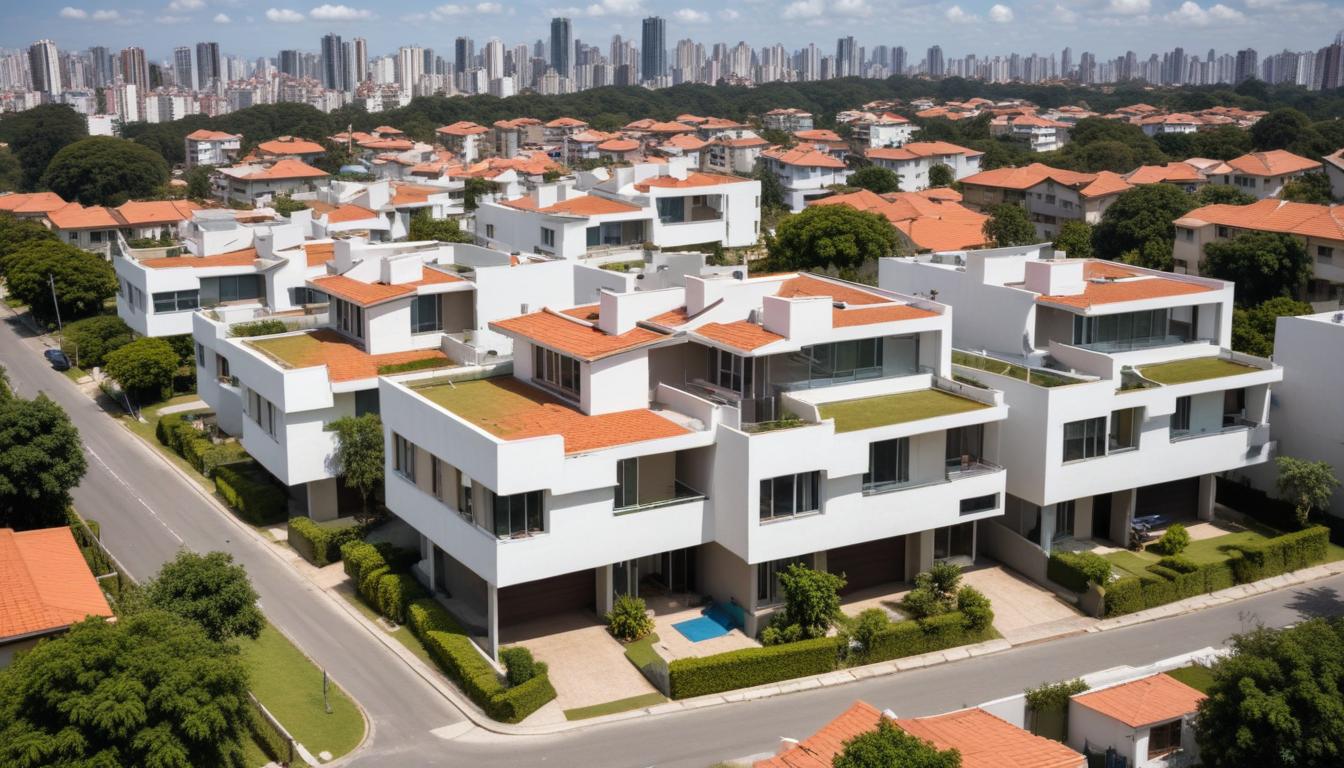
New municipal density regulations and mixed-use approvals in key neighborhoods are forcing investors to recalibrate yield expectations and repositioning strategies across the city's rental market.
Recent regulatory changes to subsidy programs and zoning approvals are redefining affordability zones and shifting opportunity from central neighbourhoods to emerging growth corridors.
As vacancy rates climb across premium neighborhoods, tenants gain negotiating leverage while landlords face mounting pressure to modernize and reduce asking prices.
New high-end residential projects in Itaim Bibi and Pinheiros signal a strategic shift in where the city's wealthiest are choosing to build and invest.
New planning framework unlocks density in Tatuapé and Mooca while premium neighbourhoods tighten restrictions, forcing capital reallocation across the market.
Despite strong capital appreciation in premium neighbourhoods, rental income is failing to keep pace with purchase prices, squeezing investor margins across the city.
As prices hover around BRL 10,000 per square metre citywide, first-home buyers have access to federal schemes and creative financing options—here's how to maximise them.
As premium neighbourhoods reach saturation, smart money is turning to pockets of Pinheiros' outer reach, where values have climbed 18% annually while remaining 40% below flagship postcodes.
As major construction projects transform areas like Tatuapé and Mooca, government grants and flexible financing schemes are opening doors for younger buyers priced out of traditional hotspots.
A surge in residential construction approvals across premium and emerging neighbourhoods is forcing both property owners and renters to reassess their strategies in a cooling market.
For affluent newcomers eyeing Jardins penthouses or Itaim Bibi estates, understanding the prestige property landscape requires strategy, patience, and local expertise.
Three major affordable housing developments in Tatuapé, Itaquera and Campo Limpo are reshaping demographics and infrastructure across the city's periphery.
As landlords navigate tighter margins across the city's premium zones, fresh data reveals where investors are finding viable returns—and where the math no longer works.
Recent municipal planning decisions aim to unlock supply in secondary neighbourhoods, yet market dynamics and developer incentives continue to push prices beyond reach of middle-income buyers.