São Paulo Housing Shortage: 1.9M Units, Rising Rents
São Paulo's 1.9 million unit deficit means one in three households struggle with overcrowding, precarious conditions, or unaffordable rent. Here's where families are being pushed.
São Paulo's 1.9 million unit deficit means one in three households struggle with overcrowding, precarious conditions, or unaffordable rent. Here's where families are being pushed.
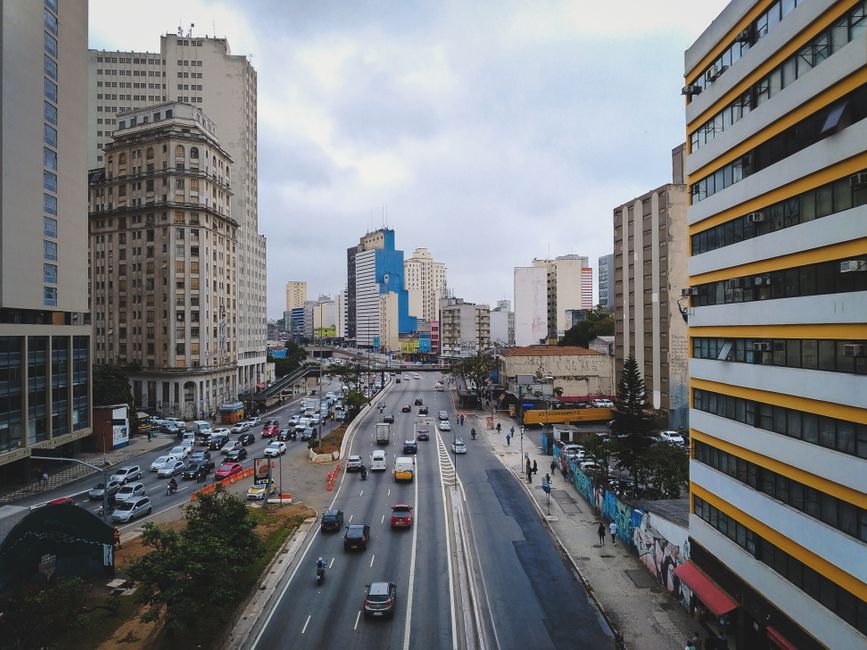
São Paulo has a housing shortage of 1.9 million units, according to the latest estimate from the João Pinheiro Foundation, the federal research body that tracks Brazil's national housing deficit. That figure — updated in June 2026 — represents roughly one in three households in the metropolitan region living in conditions defined as inadequate: overcrowded, structurally precarious, or consuming more than 30 percent of household income on rent. For a city of 22 million people, the math is not abstract. It plays out every morning on the Linha 2-Verde metro, packed past capacity by 6 a.m. with workers who commuted from Itaquera or Guaianazes because that's where rent is still theoretically payable.
The timing matters. Mayor Ricardo Nunes is facing a municipal budget review in August 2026, and advocates at Movimento dos Trabalhadores Sem Teto — the MTST, which has organised encampments from Heliópolis to the Campo Limpo district — have announced a new wave of occupations if the city does not accelerate disbursements under the federal Minha Casa, Minha Vida program. President Lula's administration restarted that program in 2023 with a stated goal of building two million units nationally by 2026, but São Paulo's allocation has delivered roughly 47,000 completed units in the metropolitan area through the first half of this year — a significant gap from the pace required.
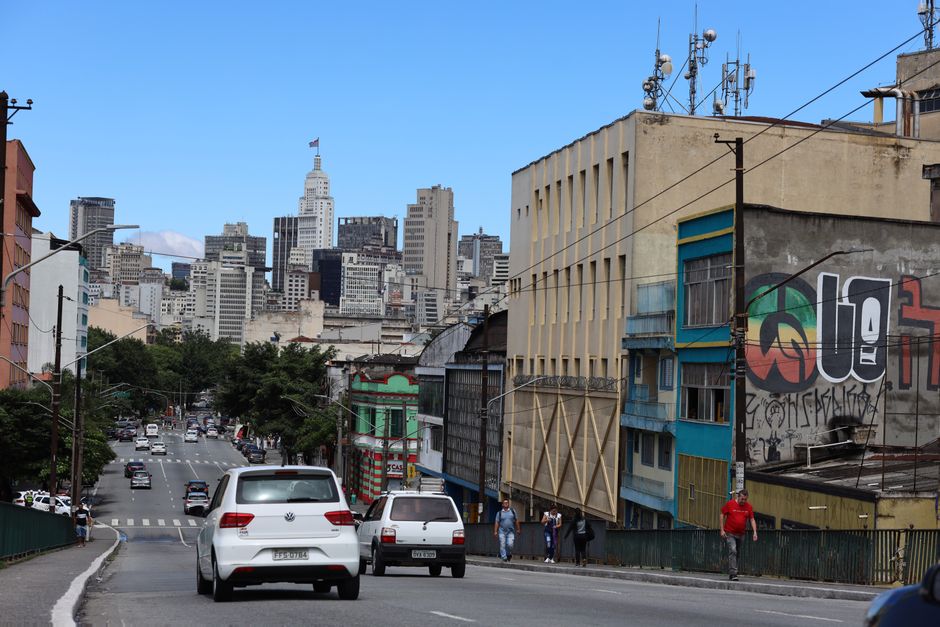
The pressure is most visible not in the historic centre or in the wealthy Jardins neighbourhood, but in the so-called middle ring: districts like Tatuapé, Vila Prudente, and Ipiranga, where a two-bedroom apartment that rented for R$1,400 a month in 2023 now lists at R$2,800 or more. That doubling has pushed lower-income tenants further east and south, into areas with weaker transit links and, critically, into flood-prone drainage corridors that the city's own infrastructure agency, SIURB, has flagged as high-risk. The connection between housing precarity and São Paulo's chronic flooding crisis is direct: when families have nowhere affordable to go, they go to the low-lying land nobody else wants, and every heavy-rain season becomes a humanitarian emergency.
The Secretaria Municipal de Habitação reported in May 2026 that the city has 1,675 registered favelas and informal settlements, up from 1,598 in 2020. Paraisópolis, the large favela bordering Morumbi in the city's southwest, has seen its population grow by an estimated 12 percent since 2022, according to data from the community association União de Moradores de Paraisópolis. Land in Morumbi sells for upward of R$15,000 per square metre. Paraisópolis sits against that boundary not as a contrast but as a consequence.
Housing researchers at FAU-USP — the School of Architecture and Urban Planning at the Universidade de São Paulo, on Rua do Lago in Cidade Universitária — have argued for years that São Paulo needs a mandatory inclusionary zoning rule requiring that any new development above a certain scale dedicate a percentage of units to social housing. The city's current Plano Diretor, revised in 2023, encourages this through incentives but does not mandate it. The distinction matters enormously to developers, who have largely continued building high-end towers along the Avenida Faria Lima and Chucri Zaidan corridors while the affordable segment stagnates.
For residents feeling the squeeze right now, the most immediate option remains the Cohab-SP waitlist — the city's social housing agency manages a queue of approximately 280,000 registered families, a number that has grown every year since 2015. The average wait time for a unit is currently estimated at between eight and twelve years. Families who do not qualify for Minha Casa, Minha Vida income bands, or who earn slightly above the R$2,640 monthly ceiling for the lowest tier, fall into a gap where neither the market nor the state serves them. That gap is where the 1.9 million-unit deficit actually lives — not in a spreadsheet, but in doubled-up households in Cidade Tiradentes, in garages converted to rooms in São Mateus, in the calculus working parents make every month between bus fare and groceries.
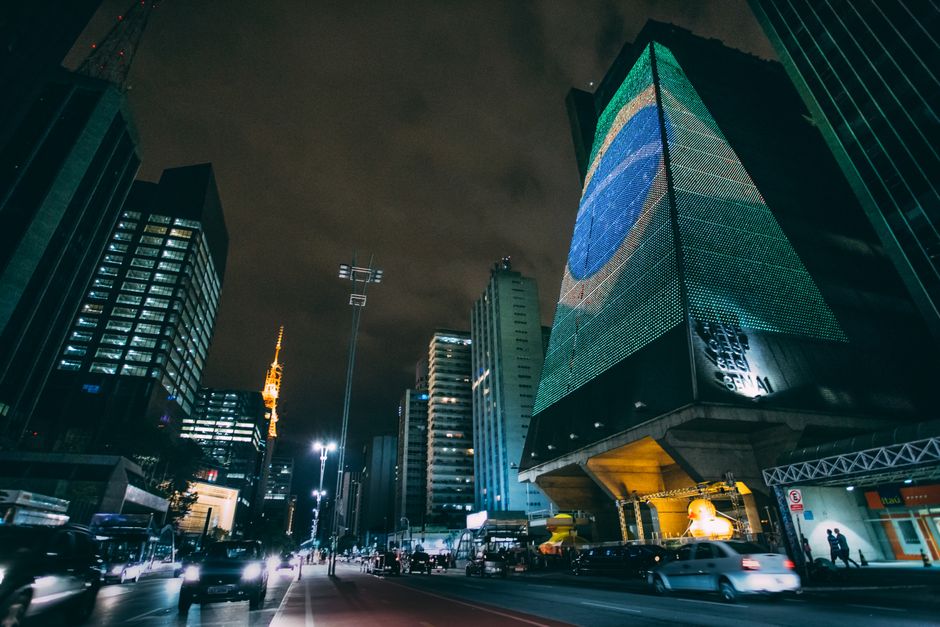
The municipal budget hearings in August will be the next concrete moment when advocates can press City Hall to increase Cohab-SP's operational budget and accelerate land regularisation in informal settlements. The MTST has said it will mobilise on Paulista Avenue before those hearings begin. Whether the numbers in the next municipal plan match the scale of the problem is, at this point, an open political question with a very closed human reality behind it.
How does this story make you feel?
Spread the word
About this article
Published by The Daily São Paulo
Daily brief
Free, in your inbox before 7am. Weekdays.
More in News